Is The 70-200mm 2.8 Lens Capable Lens for Wildlife?
The 70-200 2.8 in all of it's iterations has been a staple in portrait, wedding, photo journalism and sports photography. But what about for wildlife, nature and landscape photography? This article will primarily focus on the Canon versions of the 70-200 2.8, as that is what I shoot, but Sony and Nikon's 70-200 2.8 lenses would be applicable too. 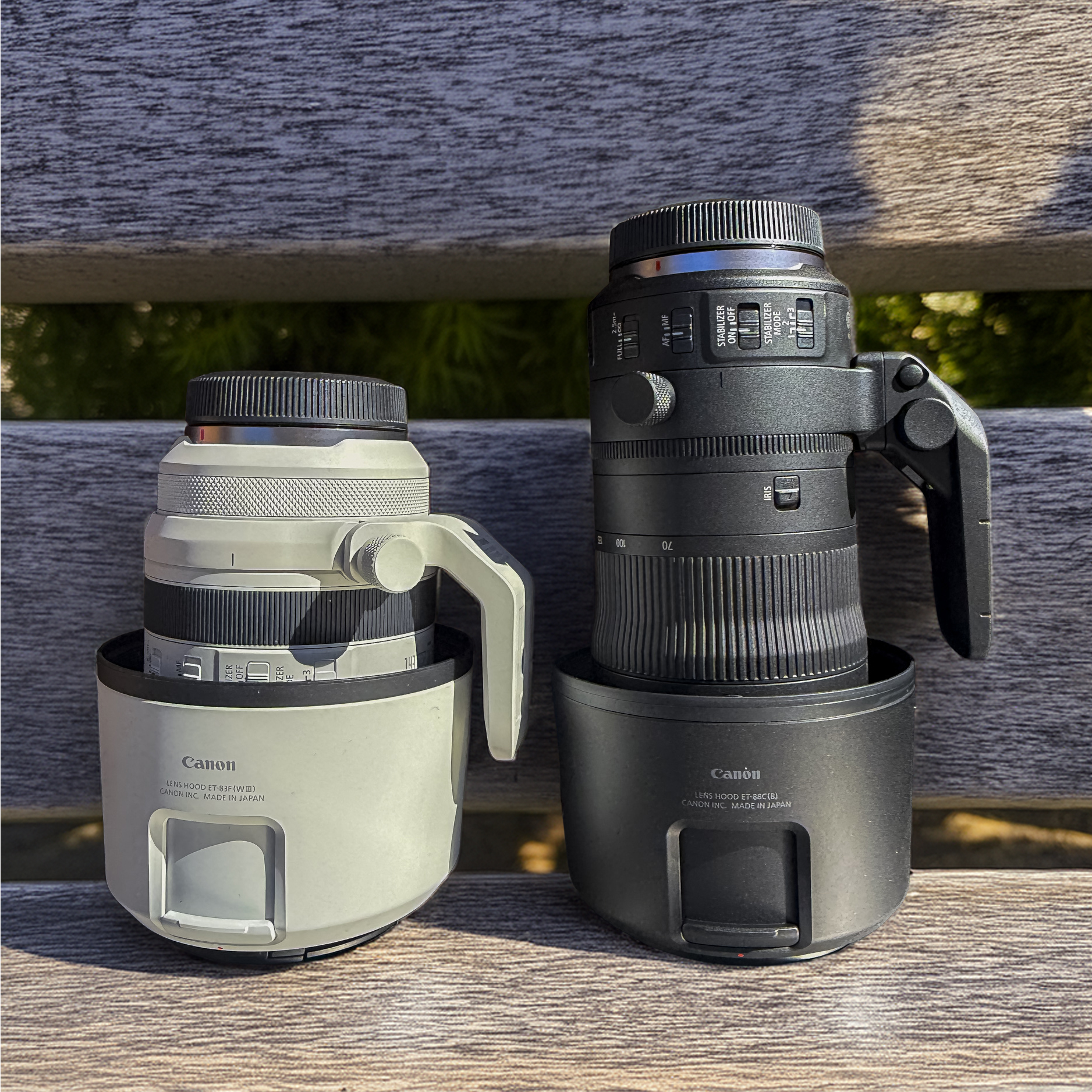
The Canon RF 70-200 2.8 (left) and the Canon RF 70-200 2.8 Z (right). As you can see there are some physical differences between the two lenses. The non Z version fits into a camera bag slot much easier, and that is a huge pro. The Z version seems a tad sharper, has internal zooming that makes the lens feel more balanced in hand and accepts teleconverters and those things are a huge pro's.
Currently Canon has two versions of the RF 70-200 2.8 lens. The original, which is a compact version that has an external telescoping zoom. The newer version, which is designated as a "Z" lens - which mans the lens is compatible with Canon's Power Zoom Adapter, that is larger due to the zoom being internal, but feels more balanced. The other thing that the RF 70-200 2.8 Z lens is compatible with are teleconverters. This can be a game changer if you are needing the extra focal length, with the 1.4x, the RF 70-200 2.8 Z gives you a capable focal length of 98-280mm at f/4. This cold be considered the "poor man's" 100-300 at a much more compact size. Of course adding the 2x, gives you a 140-400 f/5.6 - which in my testing is just as good as the Canon RF 100-500 @400mm and the 70-200 2.8 Z with the 1.4x is 1/3 of a stop faster.
Last but not least, lets not forget about the EF versions. The current hotness in the camera world is mirrorless cameras. Many mirrorless cameras feature incredible autofocus that has never been seen before in a camera, along with new RF mirrorless lenses that out perform their previous versions - for Canon, the EF mount is the previous version. Canon is slowly fading out EF lenses and cameras. The good news is there are many excellent EF lenses that can be had at a fantastic price, including the EF 70-200 2.8 IS version II and III. These lenses were premium lenses in their day, and quite frankly, they are still premium lenses. Not only I have traveled to many exotic places with the EF 70-200 2.8 II, but I have photographed hundreds of weddings with it. It's a workhorse lens. One caveat, Canon no longer services the EF 70-200 2.8 IS II, in 2018 Canon released a version III of the 70-200 2.8 that it still services at the time of writing. Before buying any EF lens, I suggest doing your research and seeing if Canon services it, CALL Canon to verify. Do not rely on the places or person selling the lens - they want to sell you a lens. If you are getting a low price on an fully functional EF lens that is no longer serviced, it may be worth it, however if something happens to that lens and it becomes non functional, you have nothing more than an expensive paper weight.
Below I will present to you images photographed with several of the iterations of the Canon 70-200 2.8, including the EF 70-200 2.8 IS II. The icing on the cake is that on some trips, a 70-200 2.8 could be your main lens. Trips to Tanzania, Uganda, Patagonia, India, Alaska or even Yellowstone could yield fantastic results with just this lens, depending on your expectations and what your target species are. Each of the following images will showcase a 70-200 2.8 and some background behind the image. After that will be a short summary of the 70-200 2.8, followed by image galleries with photos used with their respective lens.
Let's start with the classic - the EF 70-200 2.8 IS II. This lens was quite the upgrade over its previous version and brought a whole new level of sharpness to the 70-200 2.8 lineup. In addition to this, Canon released version III of the 1.4x and 2x teleconverters, which the EF 70-200 2.8 IS II played quite nicely with. 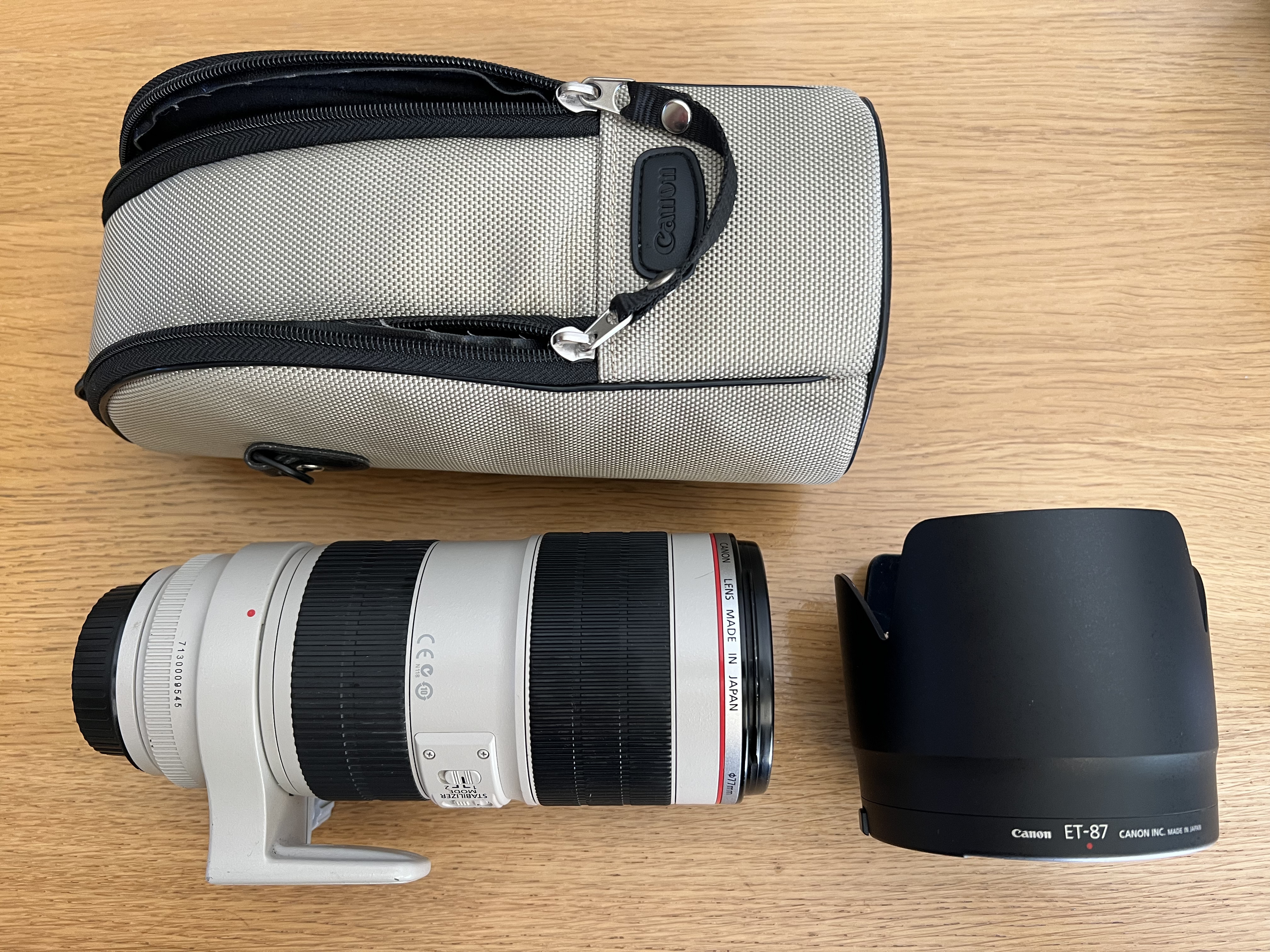
Canon EF 70-200 2.8 IS II. The second version provided much sharper optics than the previous version. It was one of Canon's sharpest lenses for a zoom or a prime.
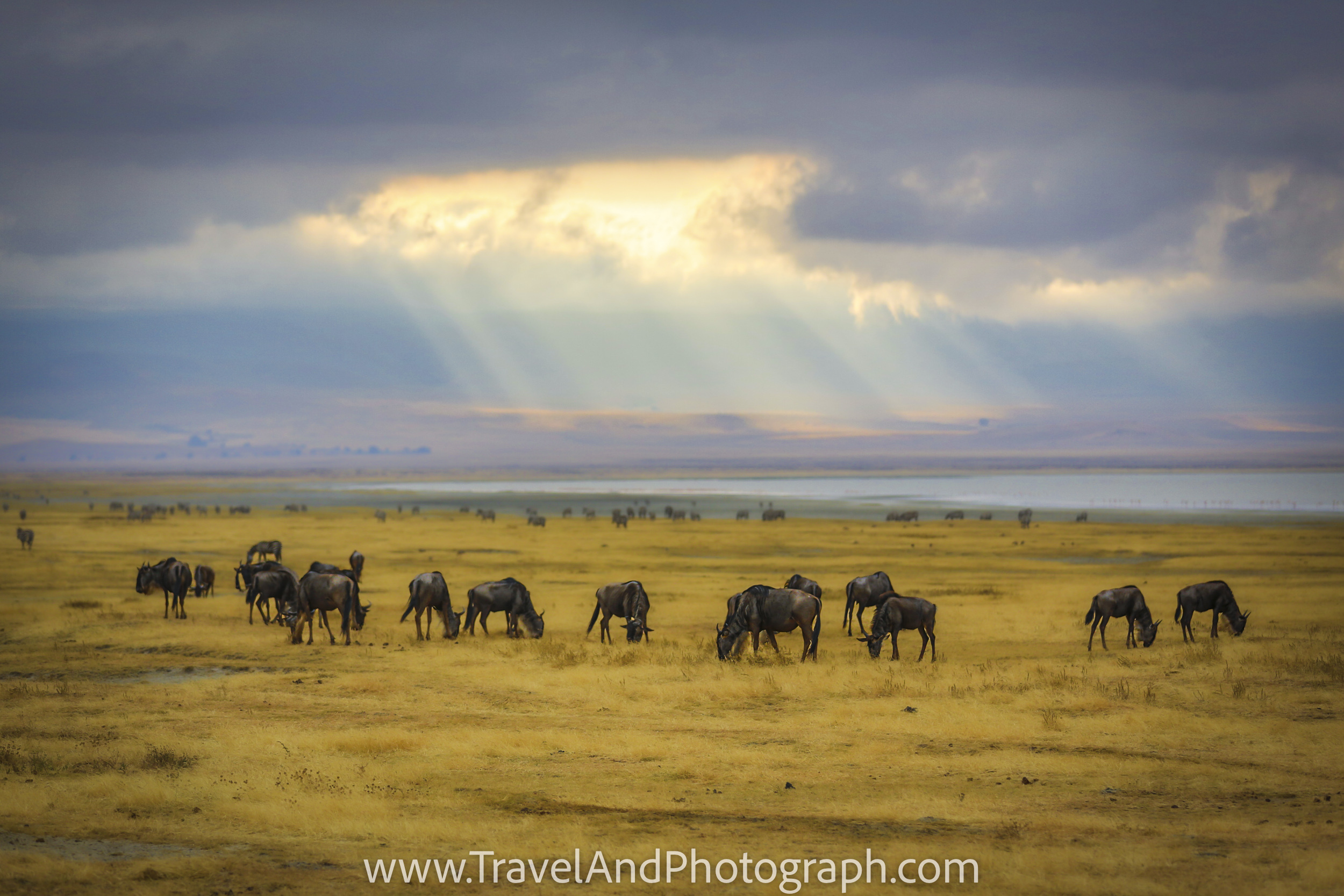
Canon 5D III + EF 70-200 2.8 IS II @115mm
1/1600 | f/2.8 | ISO 500
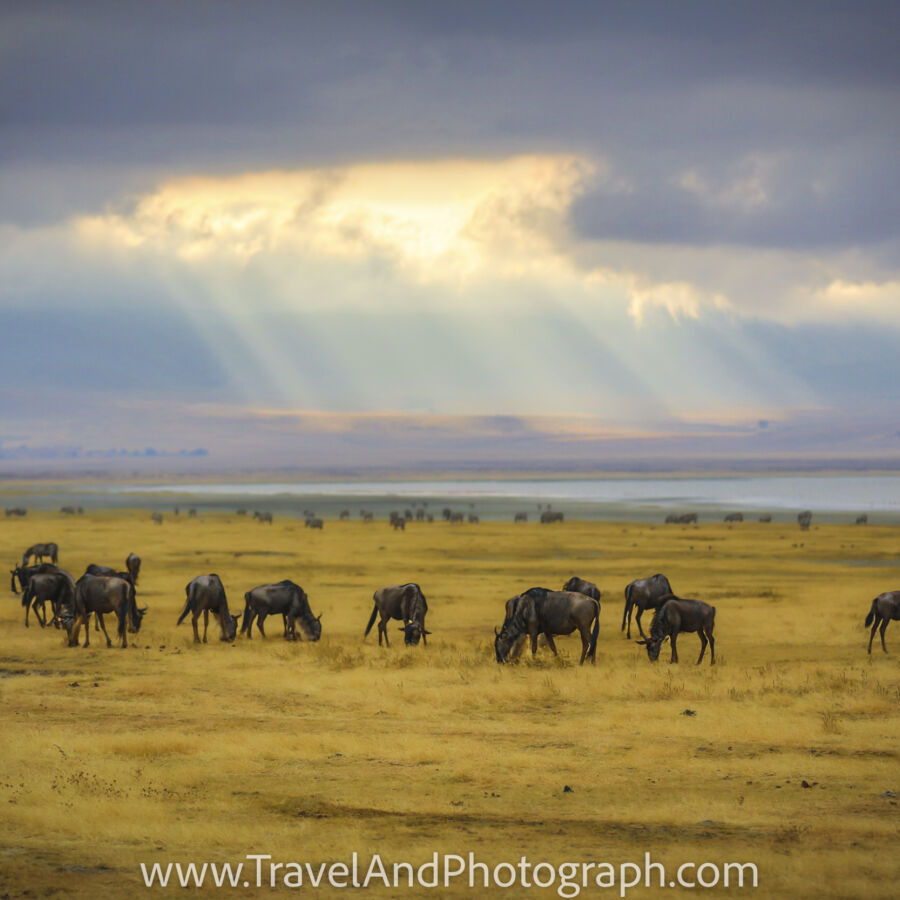
The first wildlife trip I took a 70-200 2.8 lens on was to East Africa. Looking back I didn't realize just how many images I had taken with the EF 70-200 2.8 IS II on this trip, it was nice to look back and see how versatile it can be. In the following photos, we visited the Ngorongoro Crater, world's largest inactive, intact, and unfilled volcanic caldera and offering multiple habitats for excellent wildlife viewing. As we descended into the crater, the sun had just risen and the clouds opened to illuminate the land as the wildabeest and zebra grazed. I saw such a beautiful opprutnity for a photo, i immedtely yelled stop so I could capture this image. It was like a wildlife painting before my own eyes.
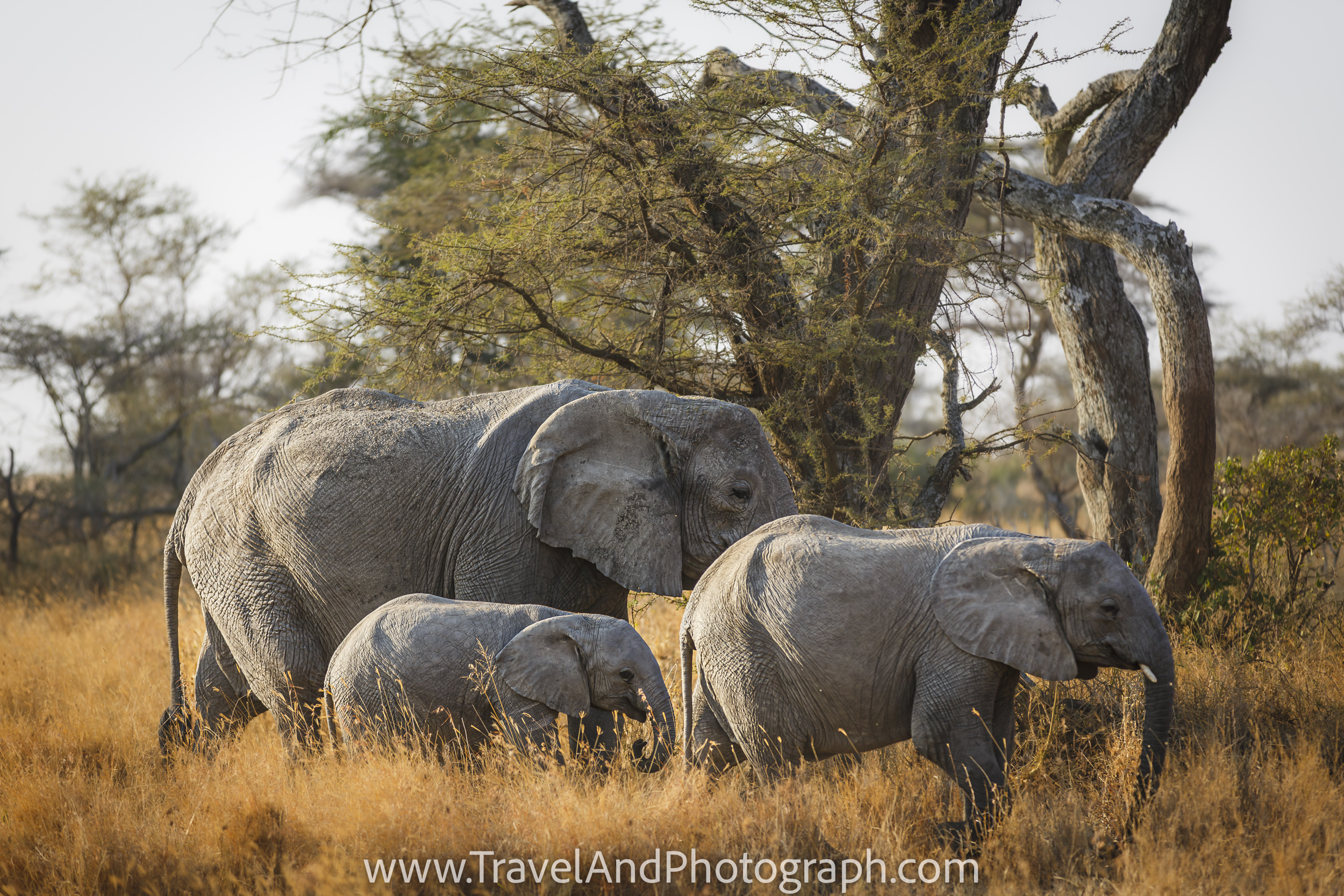
Canon 5D III + EF 70-200 2.8 IS II @200mm
1/640 | f/2.8 | ISO 100
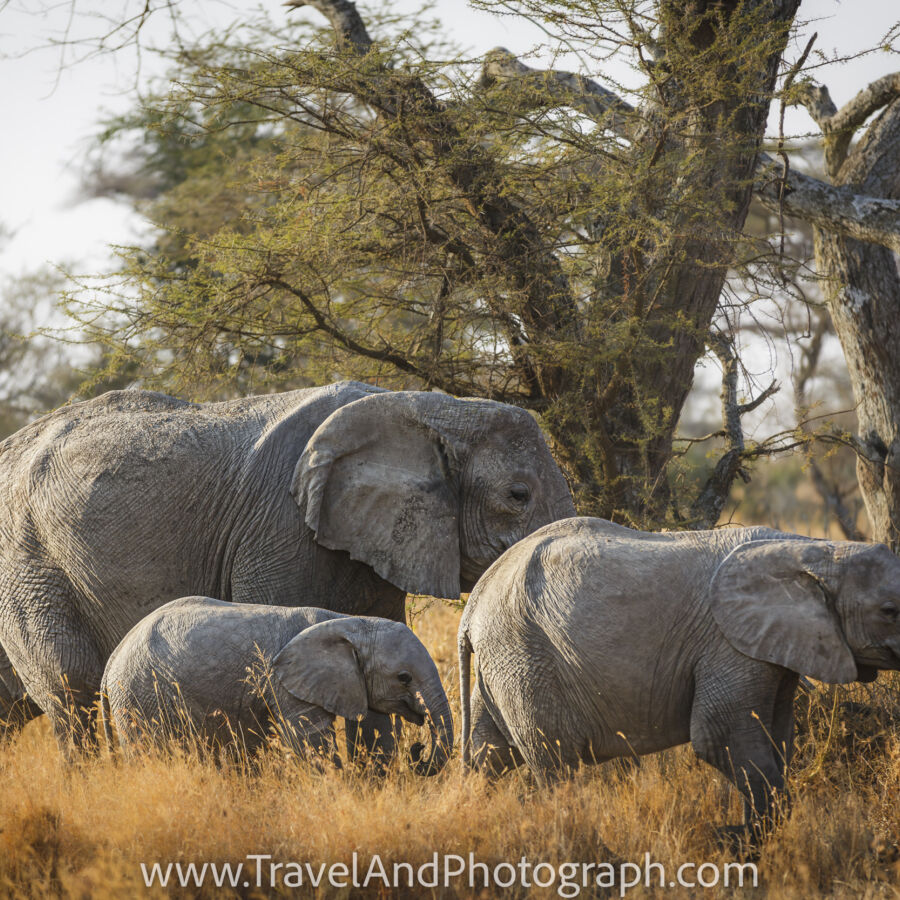
An Elephant family makes their way across the Serengeti to a watering hole. I love this image as it has Small, Medium and Xtra Large elephants in this. I picture this being a family outing of the elephants taking a stroll on a Sunday afternoon to get water.
Canon 5D III + EF 70-200 2.8 IS II @145mm
1/400 | f/3.2 | ISO 800
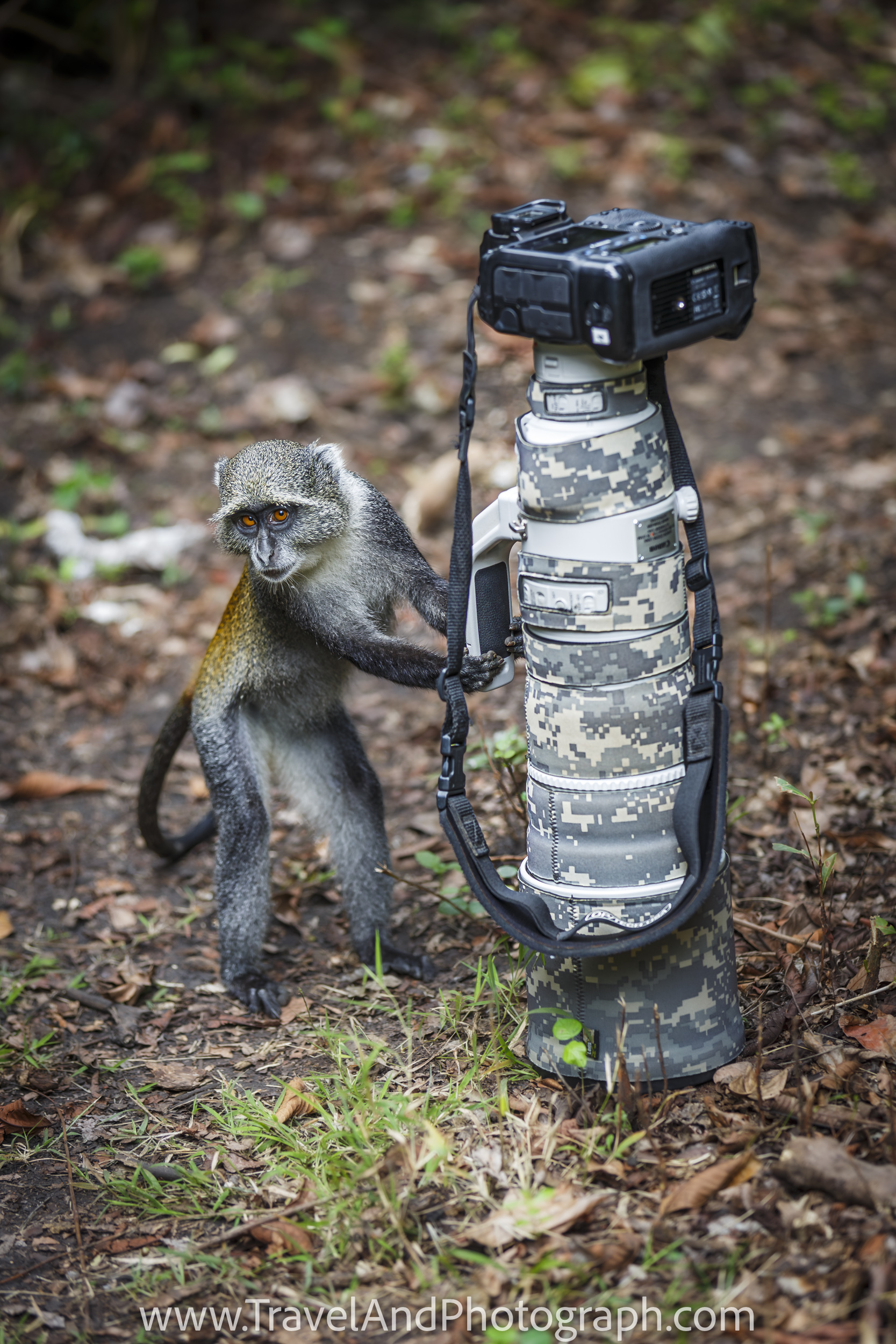
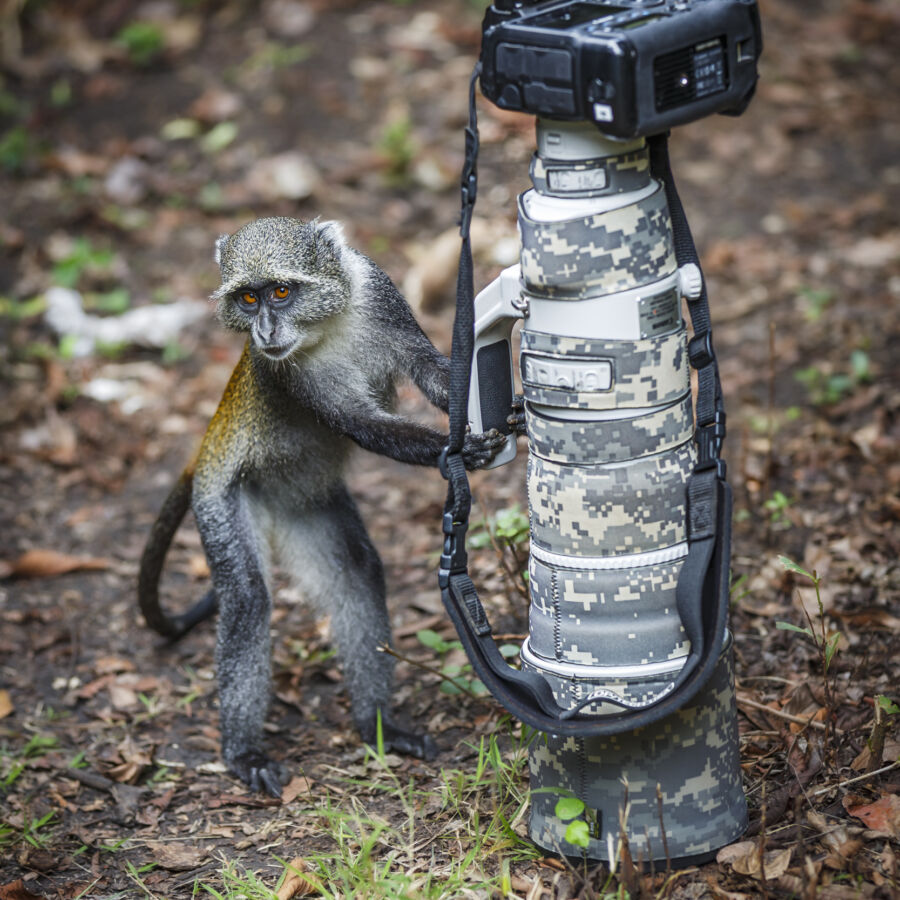
A Zanzibar red colobus monkey attempts to steal my Canon EF 200-400 lens. Thankfully the lens was a little to heavy for the mokeny to run away with. Zanzibar is a fantastic island off the coast of Tanzania.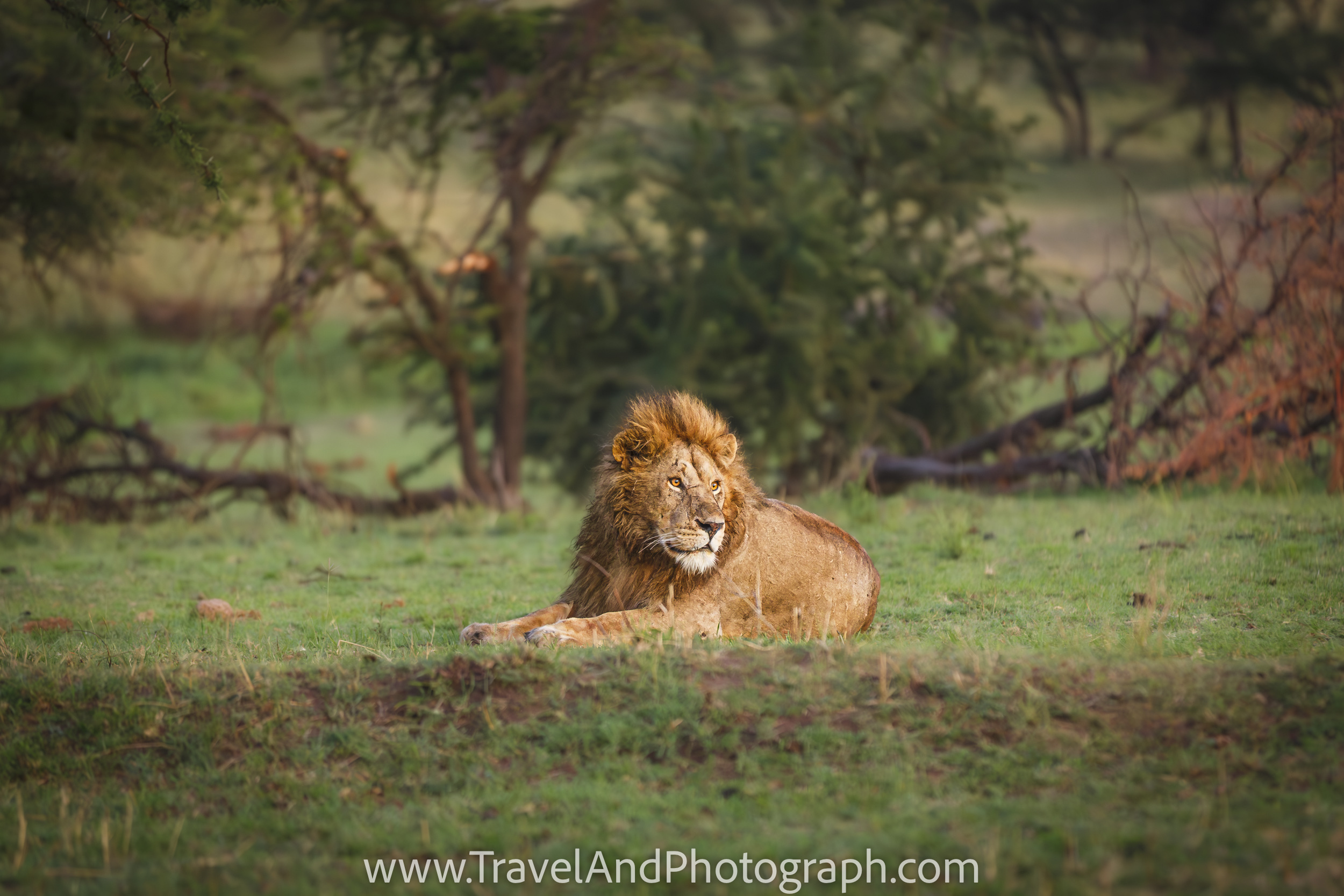
Canon 5D III + EF 70-200 2.8 IS II @200mm
1/50 | f/2.8 | ISO 4000
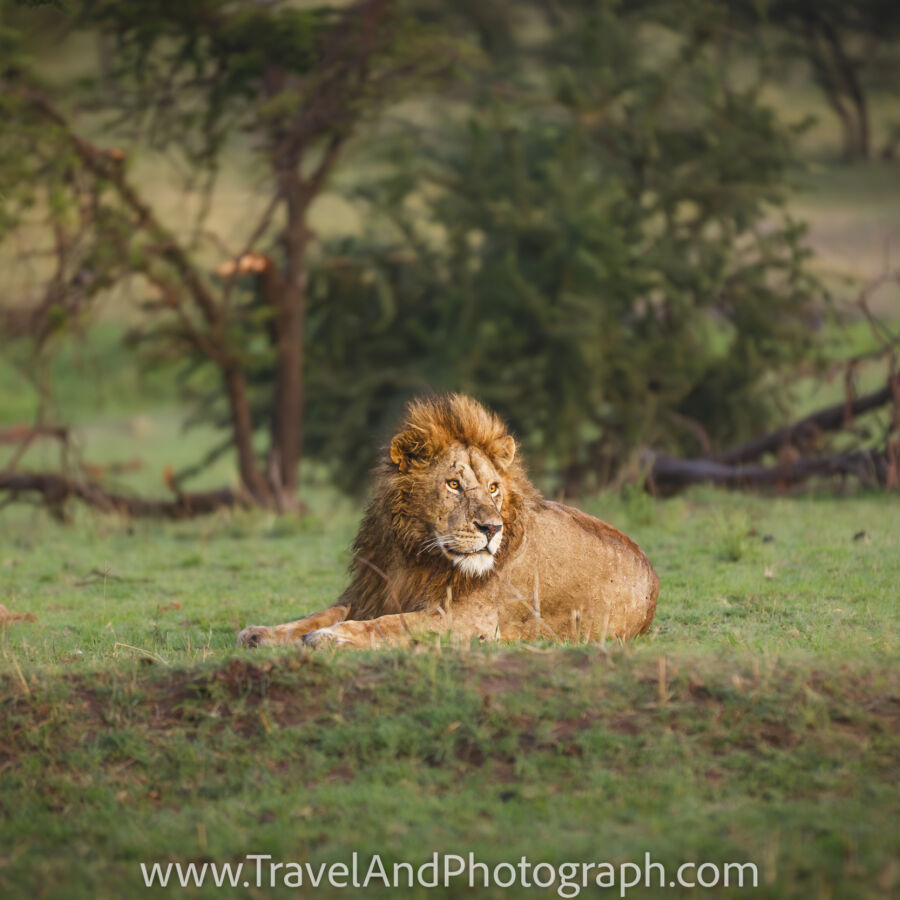
One advantage of a 2.8 lens is the ability to shoot in low light. With todays cameras and their low light abilities combined with all of the noise reduction software available, photographers are able to push the limits of low light photography. Early morning in the Serengeti at dusk, my group came across this male lion that was observing his surroundings. He seemed to have just laid down for a quick rest, and there is no rest for the wicked.
Canon 1DX + EF 70-200 2.8 IS II @98mm
1/400 | f8 | ISO 1600
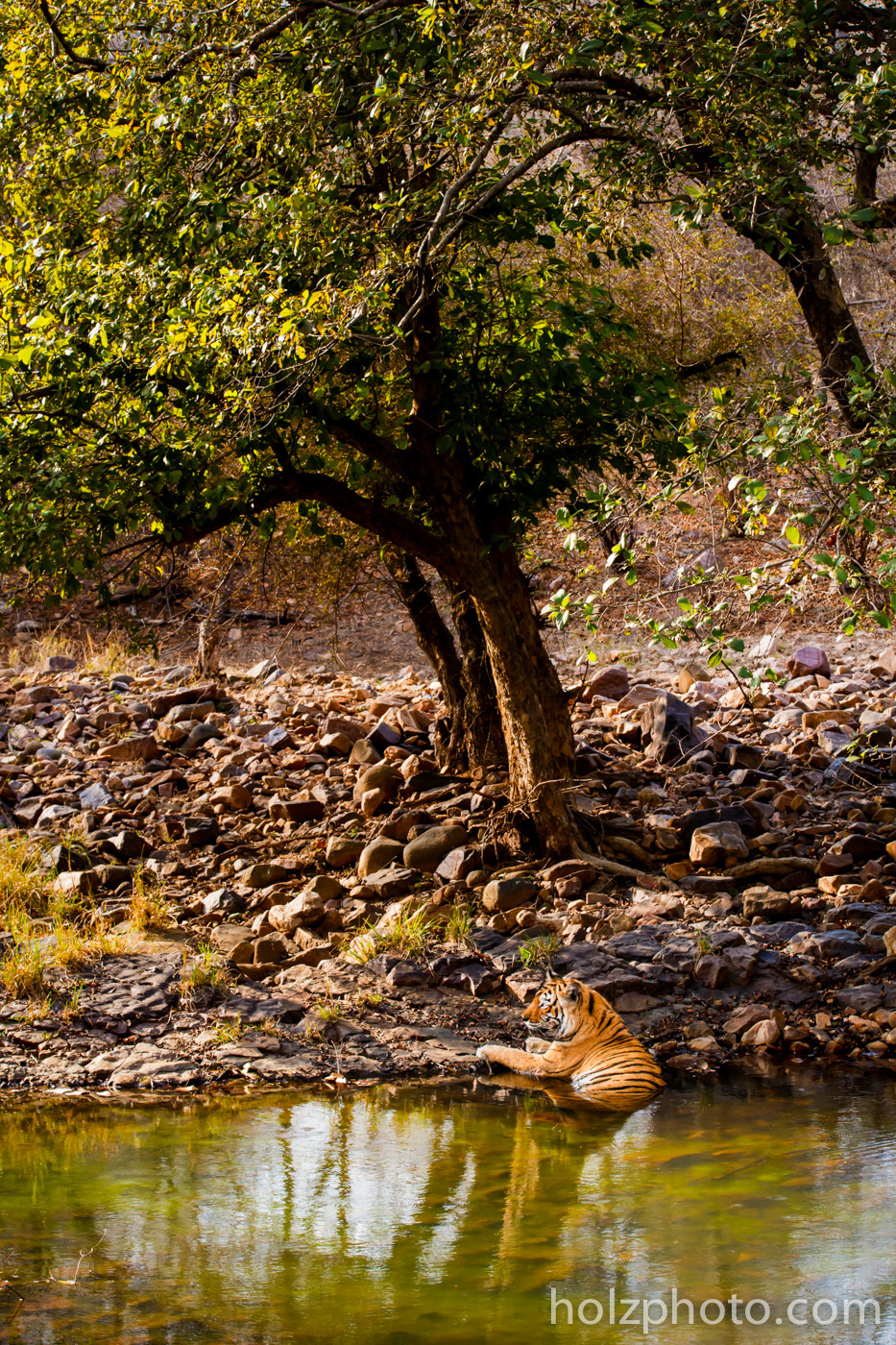
For this image, I traveled to the heart of tiger country, India. We had spent several drives looking for tigers and we were quite fortunate when this tiger walked out. This is one of India's most famous tigers, Machli. Machli, who was known as the Queen Mother of Tigers who was featured in several documentaries. She hadn't been seen for quite a while and we happened to be in the right place at the right time when she appeared in front of us. Keep in mind that this image was photographed at 98mm, I also had my 600mm f/4 on me at the time and got many photographs "up close" of her drinking and bathing. But with the 70-200 2.8, I am able to tell a different story, an environmental portrait that shows an exhausted tiger, whose time was coming to an end She just wanted to rest in the shaded water. Machli would die two years later at the age of 19. She was celebrated as one of India's National treasures and was cremated in observance with traditional Hindu rituals in a public ceremony.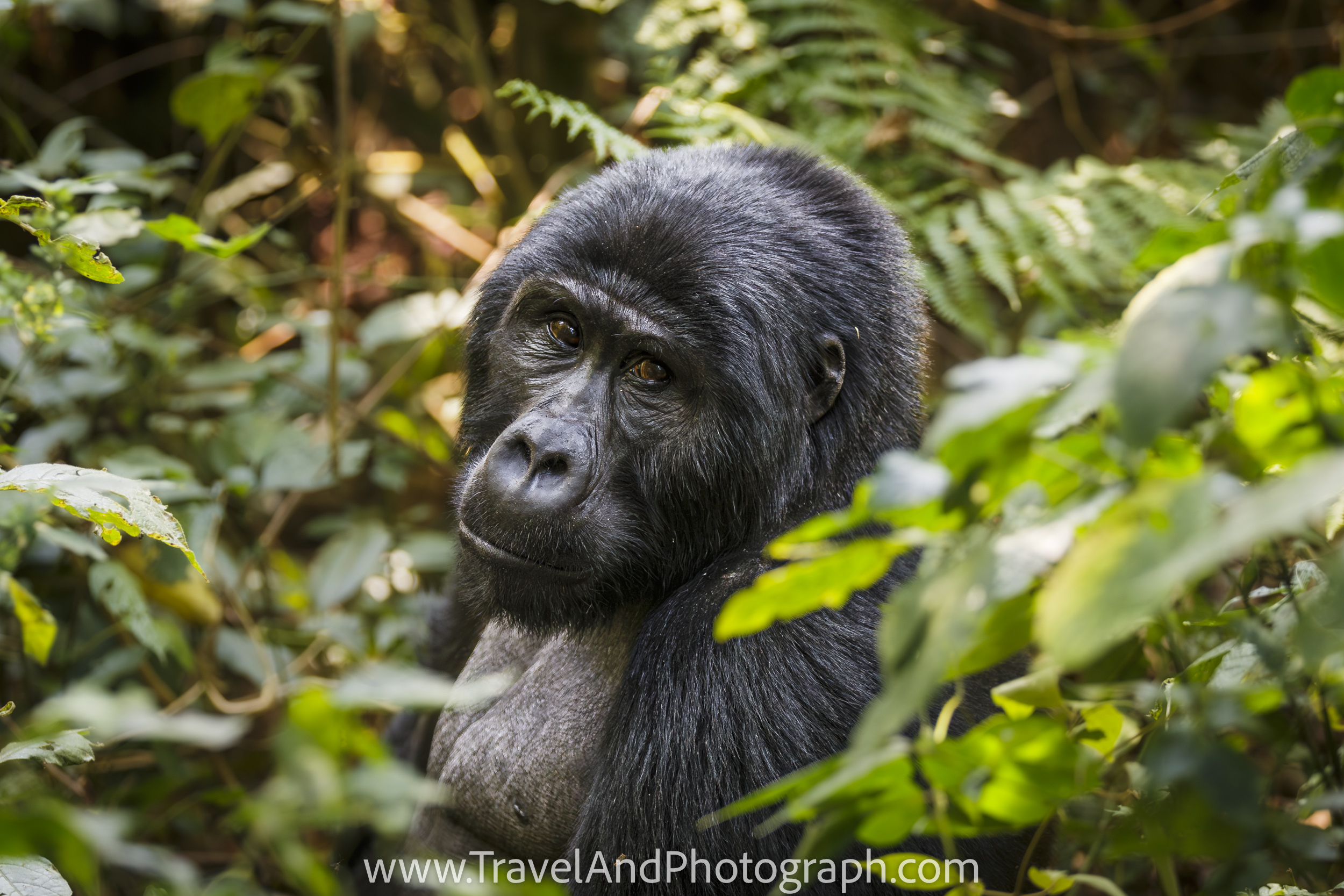
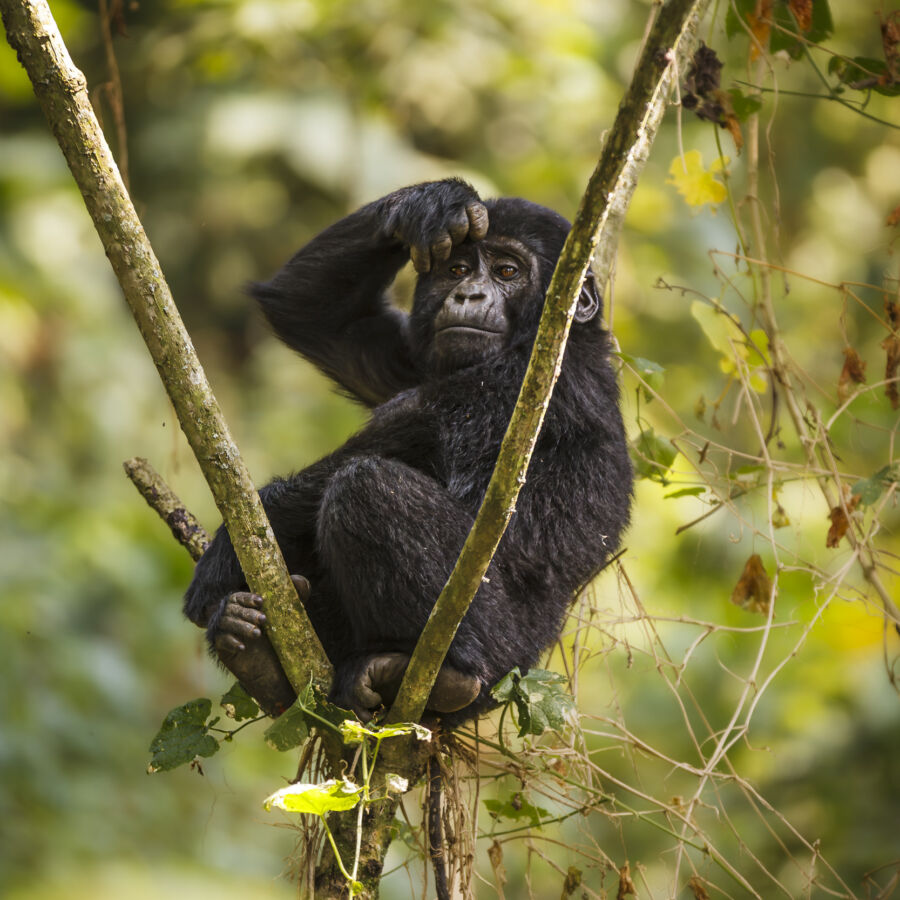
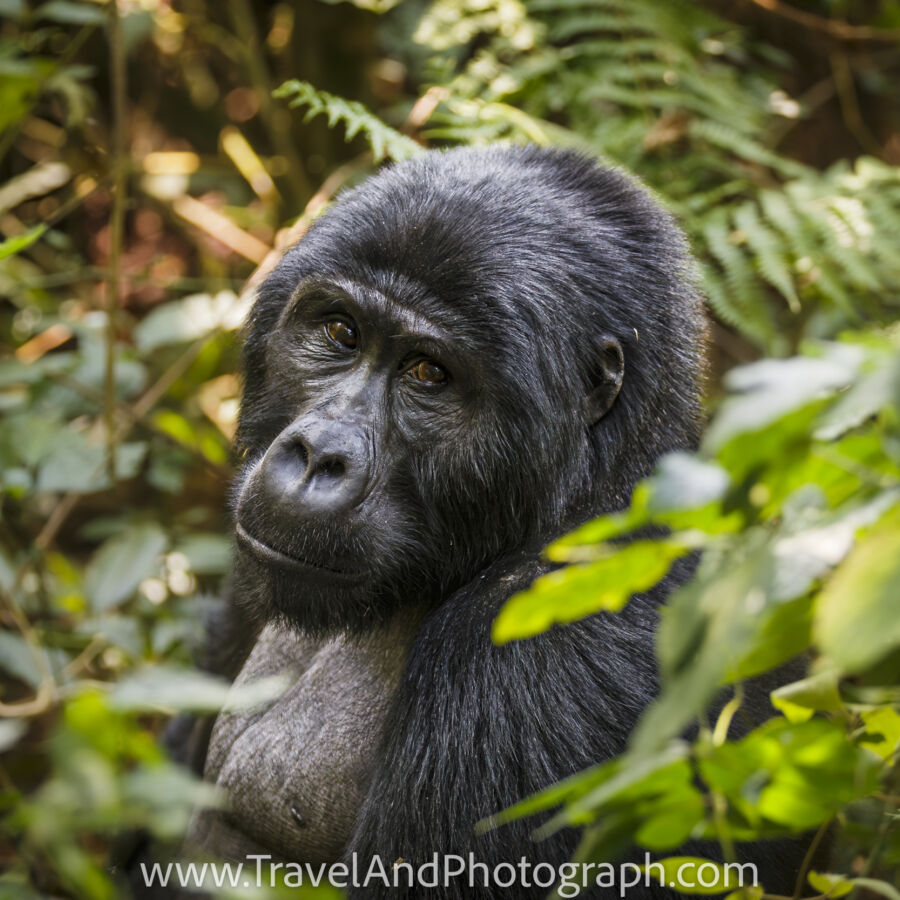
Canon 1DX + EF 70-200 2.8 IS II + EF 1.4x III @155mm
1/320 | f4 | ISO 2500
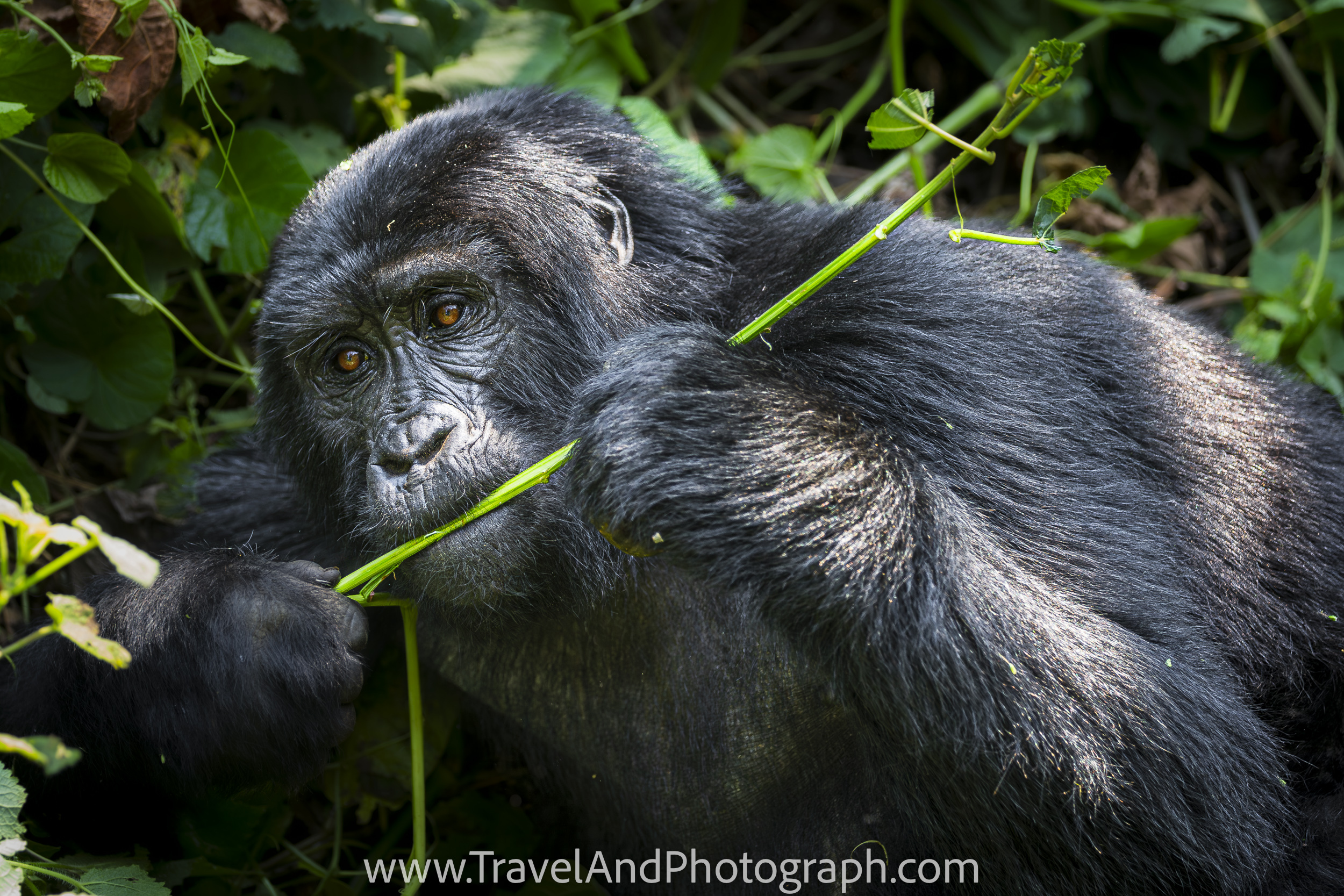
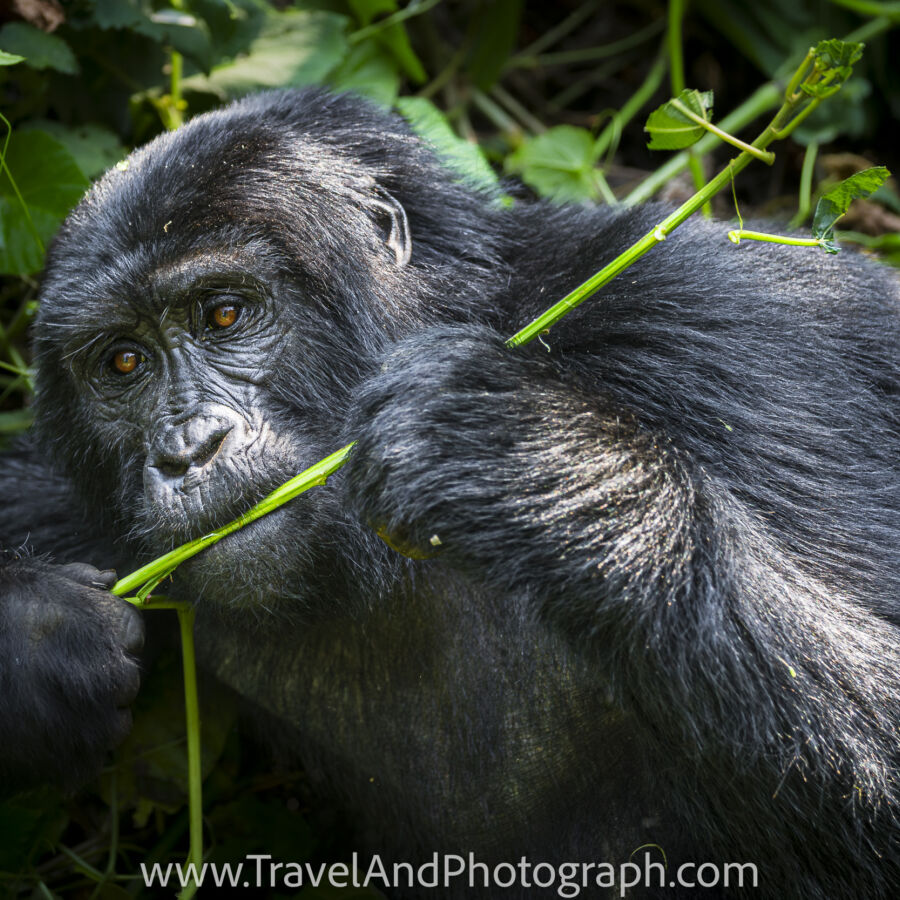
Canon 1DX + EF 70-200 2.8 IS II + EF 1.4x III @170mm
1/320 | f4 | ISO 800
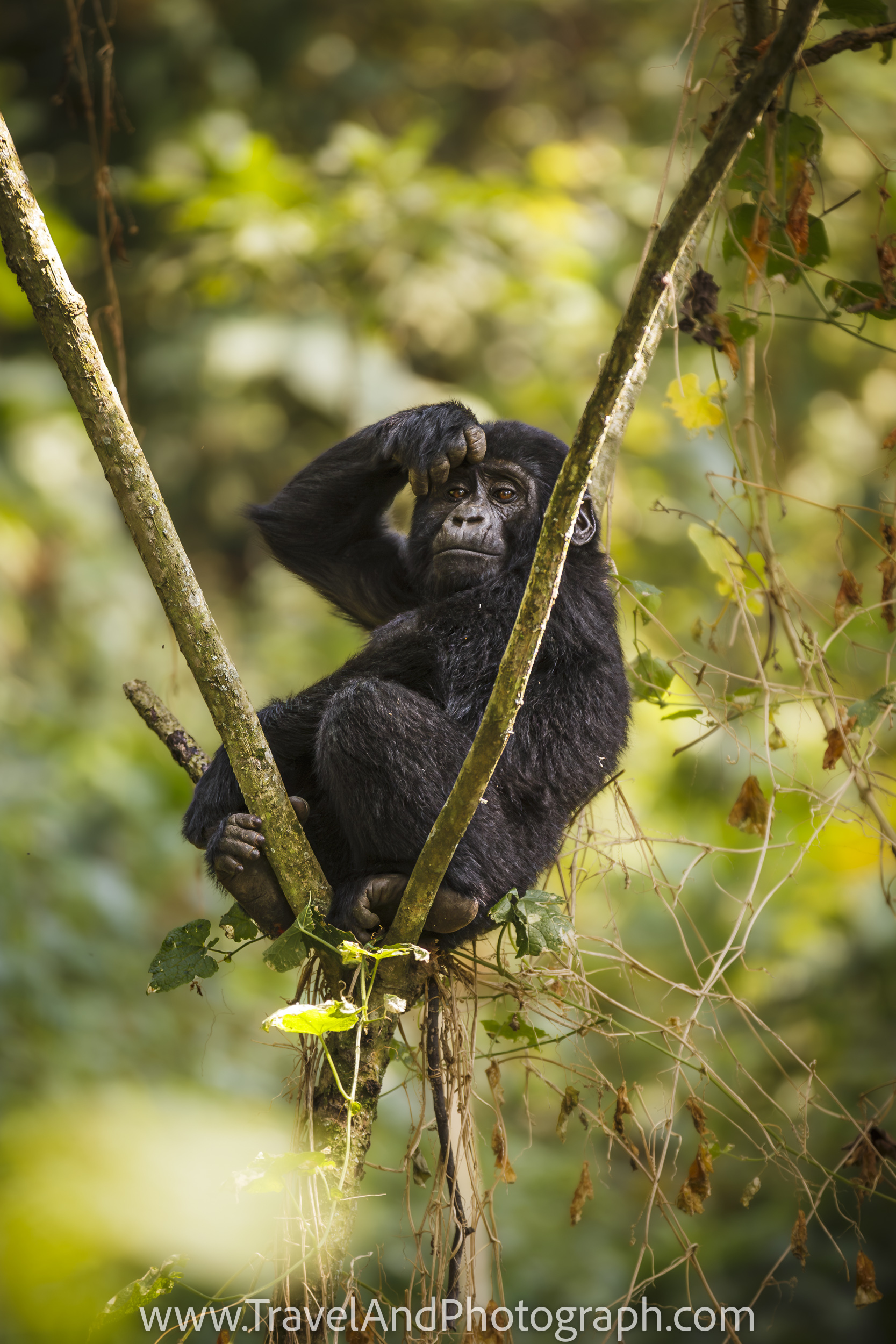
Canon 1DX + EF 70-200 2.8 IS II + EF 1.4x III @280mm
1/320 | f4.5 | ISO 2500
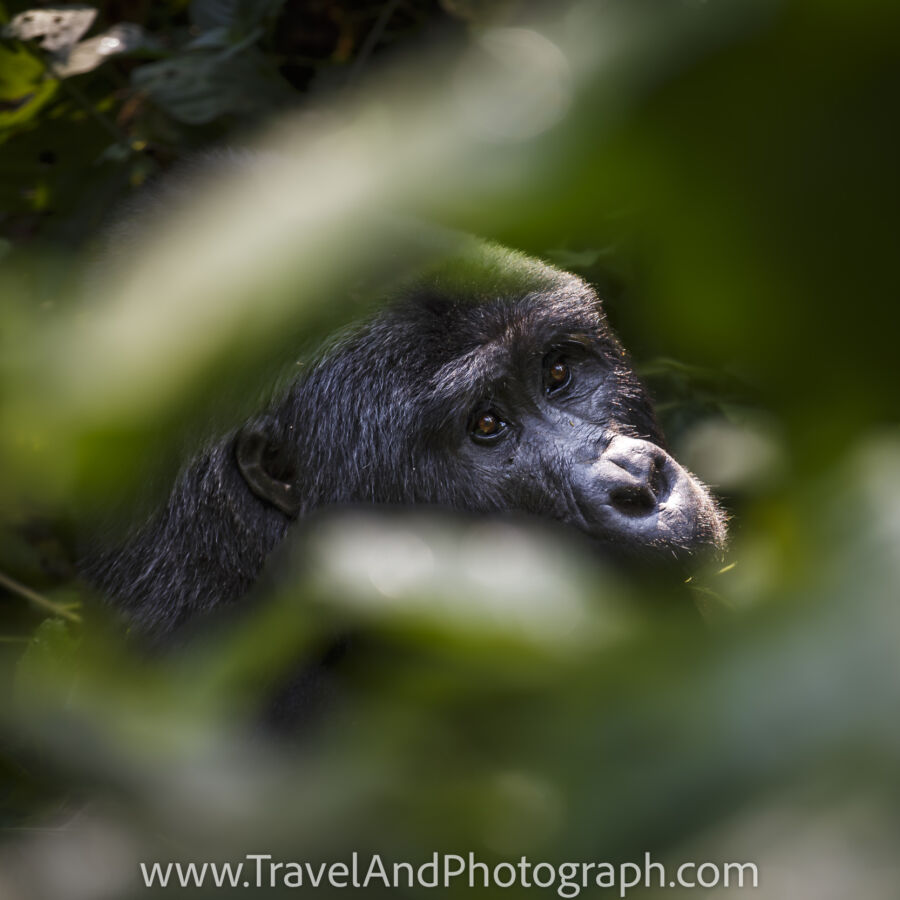
The previous three images were photographed in Uganda. I attached an EF 1.4x III to my EF 70-200 2.8 IS II lens to add more versatility with the focal length. The Canon EF series teleconverters improved greatly in each version. Version II was much better than version I, and version III showed that you could create amazing images with the teleconverters. Many "old timers" will stay talk about how teleconverters are terrible and on and on. But they are still stuck in the old school mindset and nothing will change that.
Let's move back to the previous three images...putting the EF 1.4x III on the EF 70-200 2.8 IS II added to the versatility, but look at the first two images of the male silverback gorilla and the female eating grass - they were both photographed at a focal length less than 200mm. That means, I could've have photographed those images without the EF 1.4x III and at an aperture of 2.8 to add more background separation. But could also cause conflict for image three of the young gorilla that I photographed at 280mm. The photo of the young gorilla is cropped slightly, so every bit of focal length for that image is important. But this is the trade off of the teleconverter, losing shallowness of the depth of field from faster apertures for longer focal length. It's a trade off you'll have to decide if its worth it. You also have the option of removing the teleconverter which can take time and potentially expose your camera and lens to the elements of dust and moisture depending on your location. I personally have no problem swapping teleconverters in the field and have got quite fast at it over the years.
In 2018 Canon released a third version of the EF 70-200 2.8 IS, featuring new lens coatings, but optically was very similar to version II. At the time of writing this article, the EF 70-200 2.8 IS II is no longer supported by Canon for service. The version III of the lens is, and if you want to save some money over the newer RF versions, the version III is definitely an excellent choice. Again, if you find a version II at a great price, it could be a great deal, but if anything goes wrong with the version II, you are stuck with an expensive paper weight. The 70-200 2.8 IS III can be found used for around $1600 USD. That is well over $1000 less than either of the RF versions new.
In the following portion of the article, we are going to showcase images with the both RF versions of the 70-200 2.8. I will be upfront, out of all of the Canon 70-200 2.8's, I prefer the Z version. It accepts teleconverters and it's lighter than its counterpart EF version by over 3/4 of a pound. The non Z version of the RF 70-200 2.8 does have some big pros, size and portability being the main one. 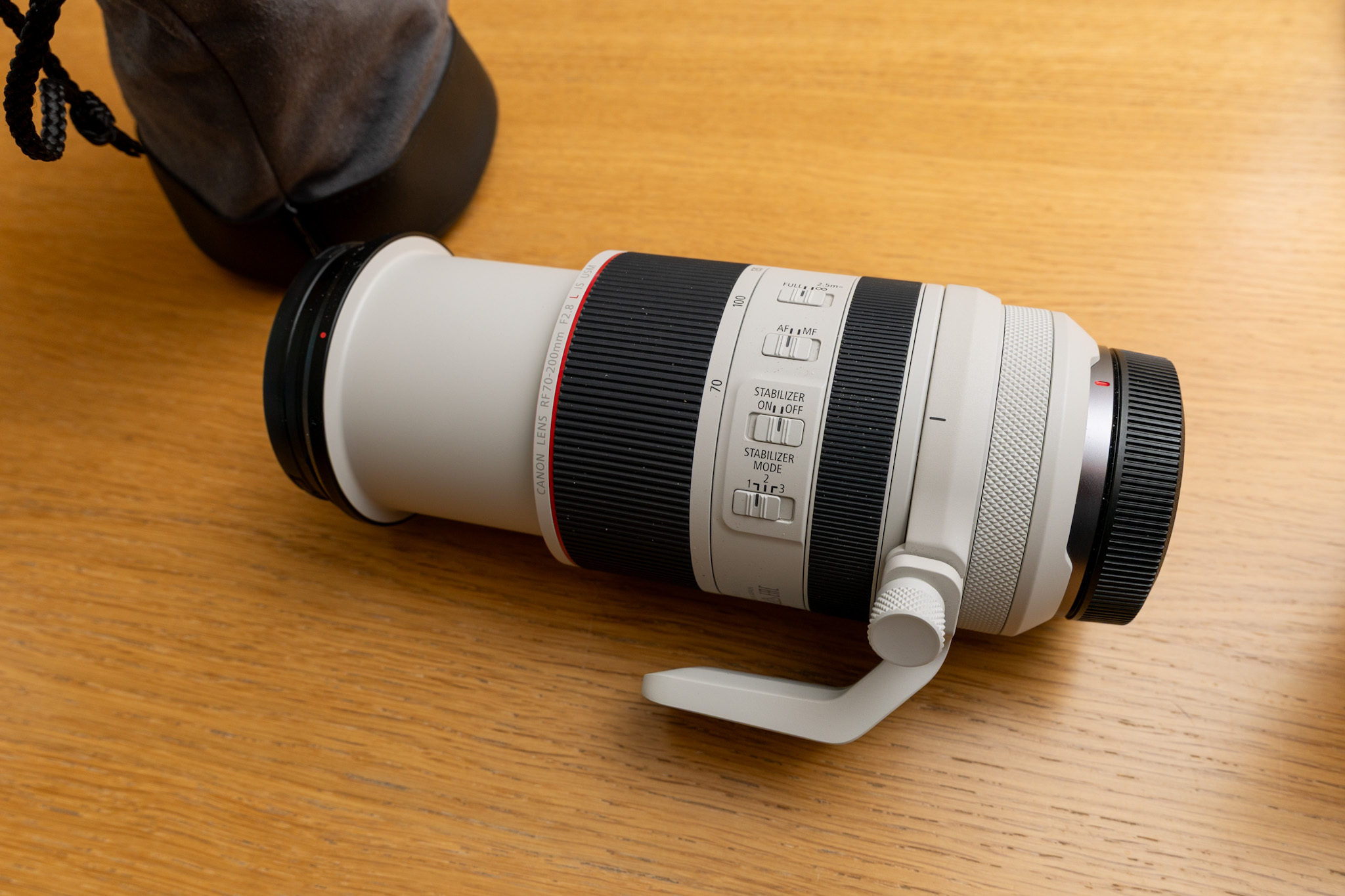
Canon RF 70-200 2.8 IS - The first RF 70-200 2.8, Canon designed this lens as an external zooming lens, which meant it is super compact when zoomed in and portable. It is also the lightest Canon 70-200 2.8 weighing in at 2.35 lbs. The trade off - 1. the lens cannot accept teleconverters. 2. external zooming, some do not like this due to the change in distribution of weight when zooming as well as the perception more dust and moisture can get into the lens via zooming - I am not sure if I believe this.
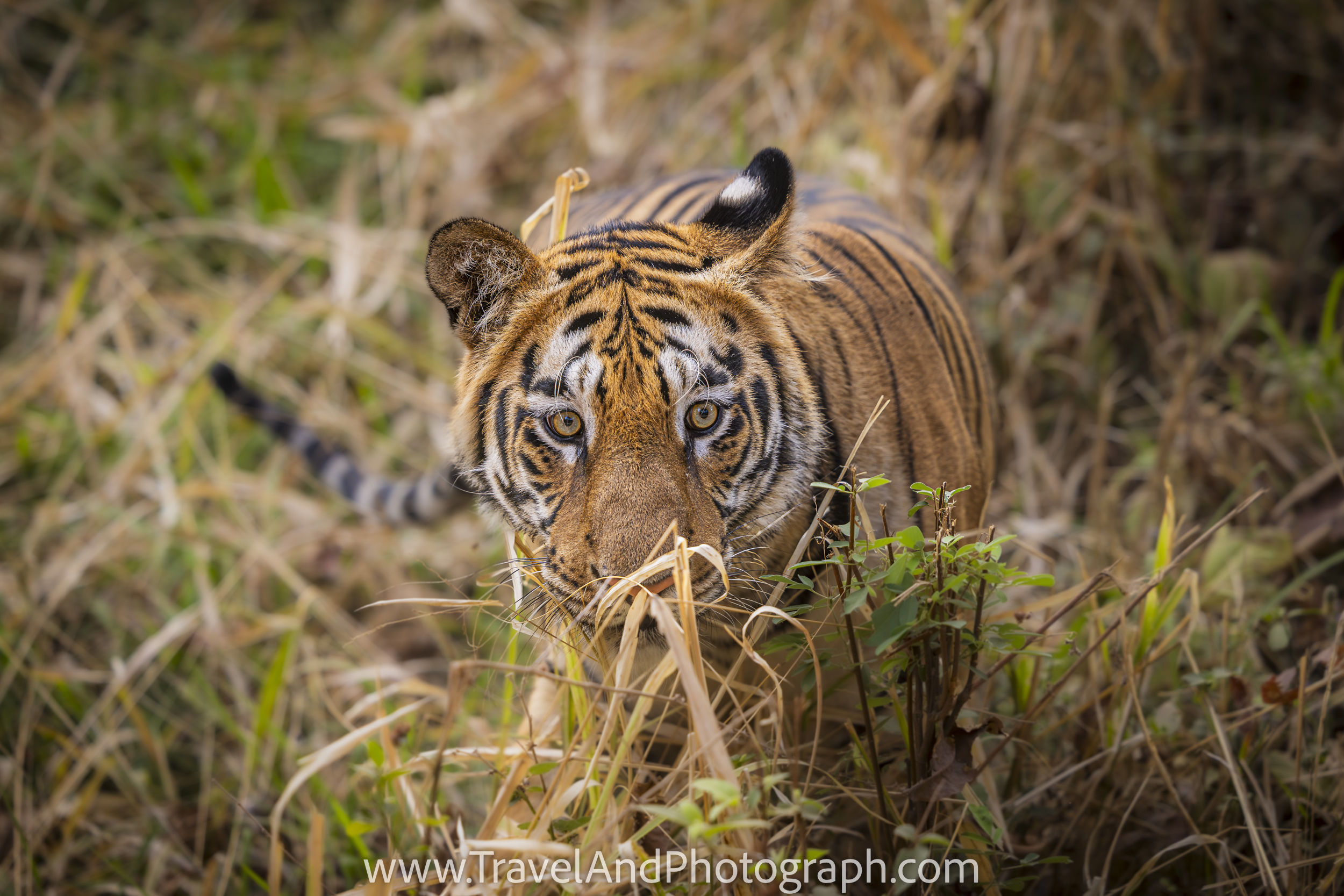
Canon R5 + RF 70-200 2.8 IS @135mm
1/800 | f2.8 | ISO 320
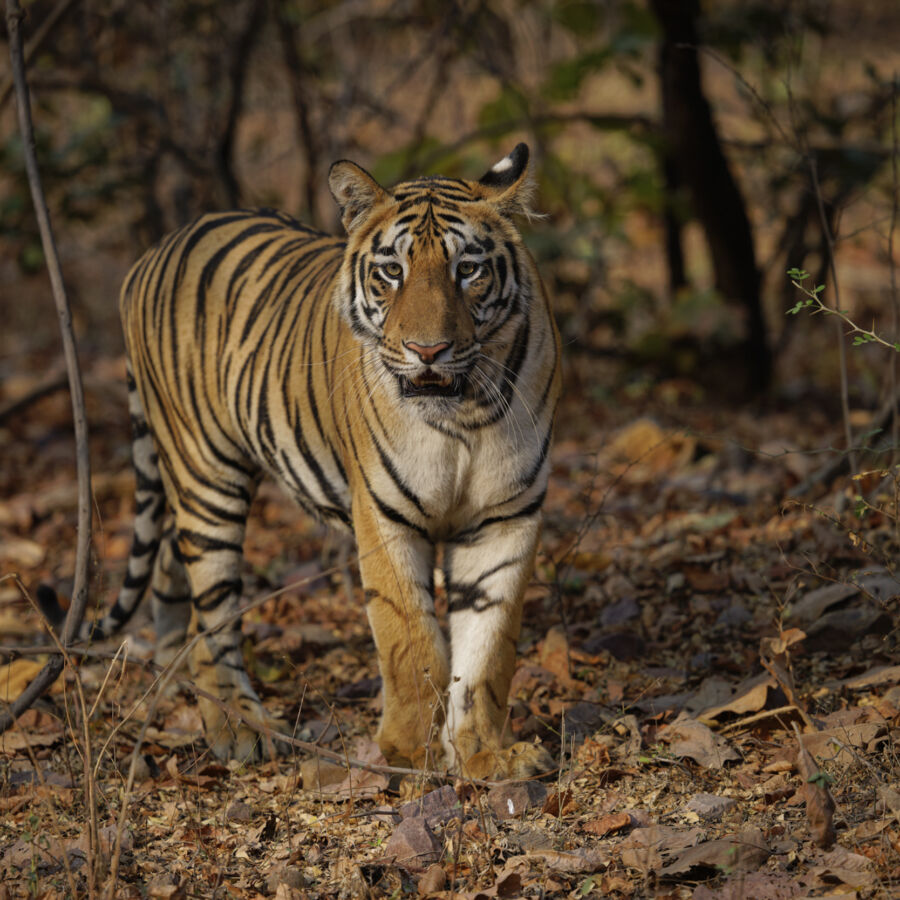
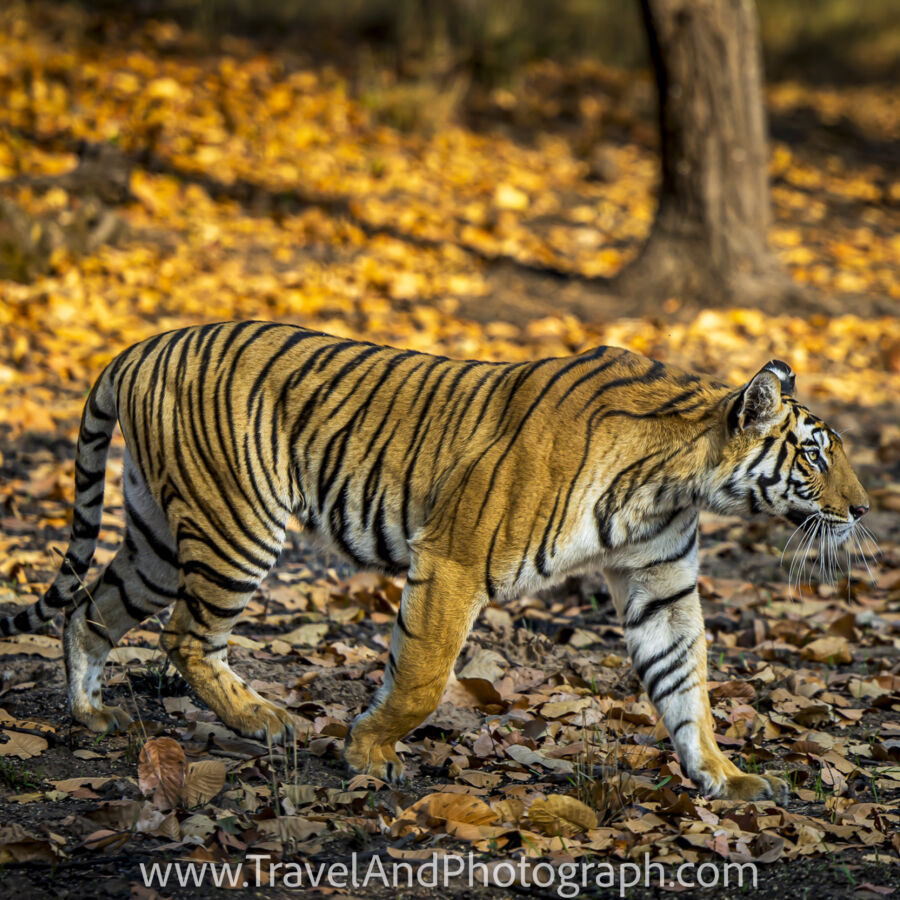
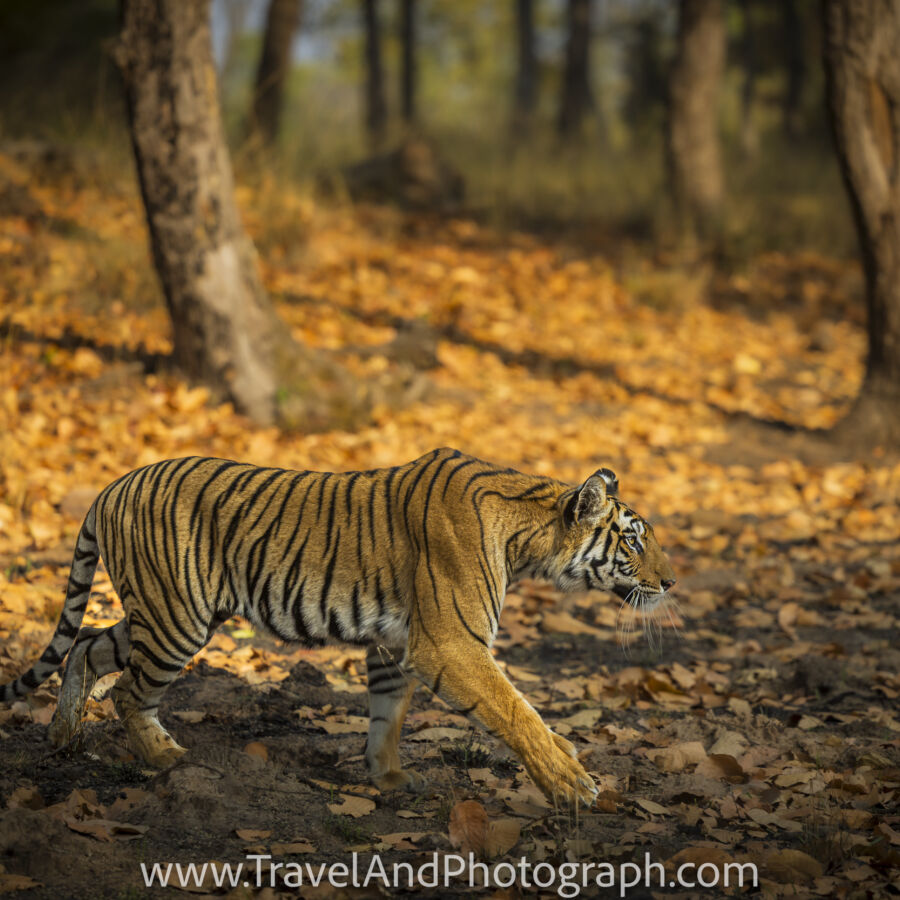
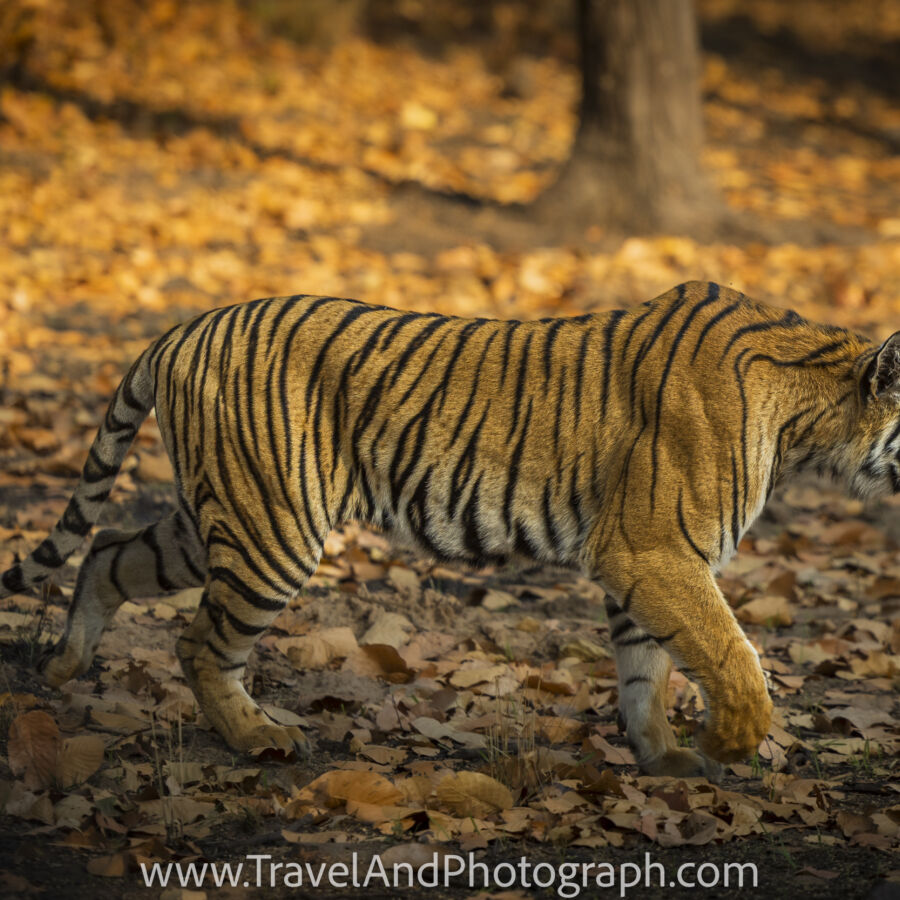
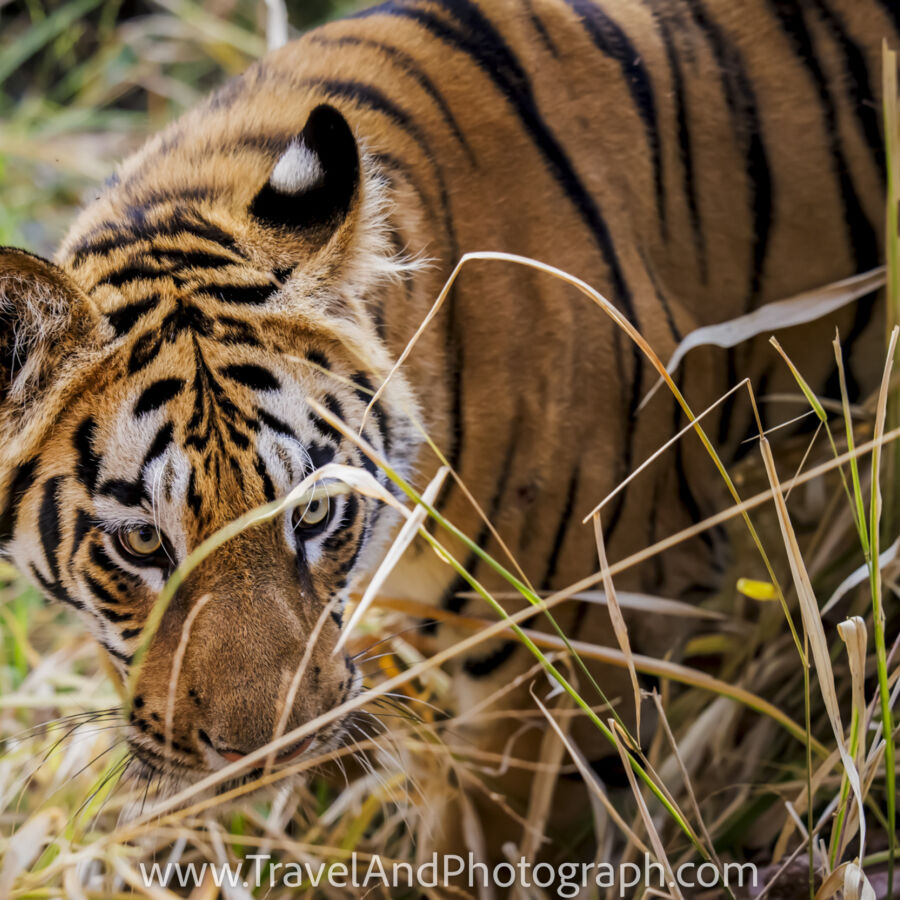
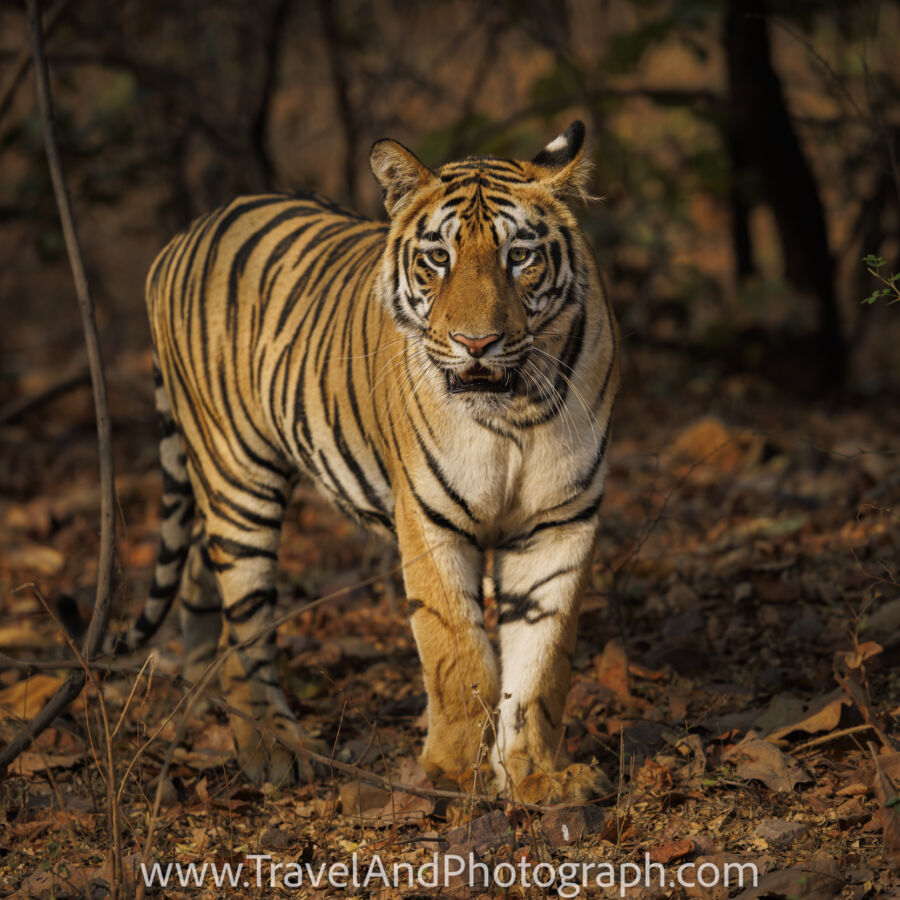
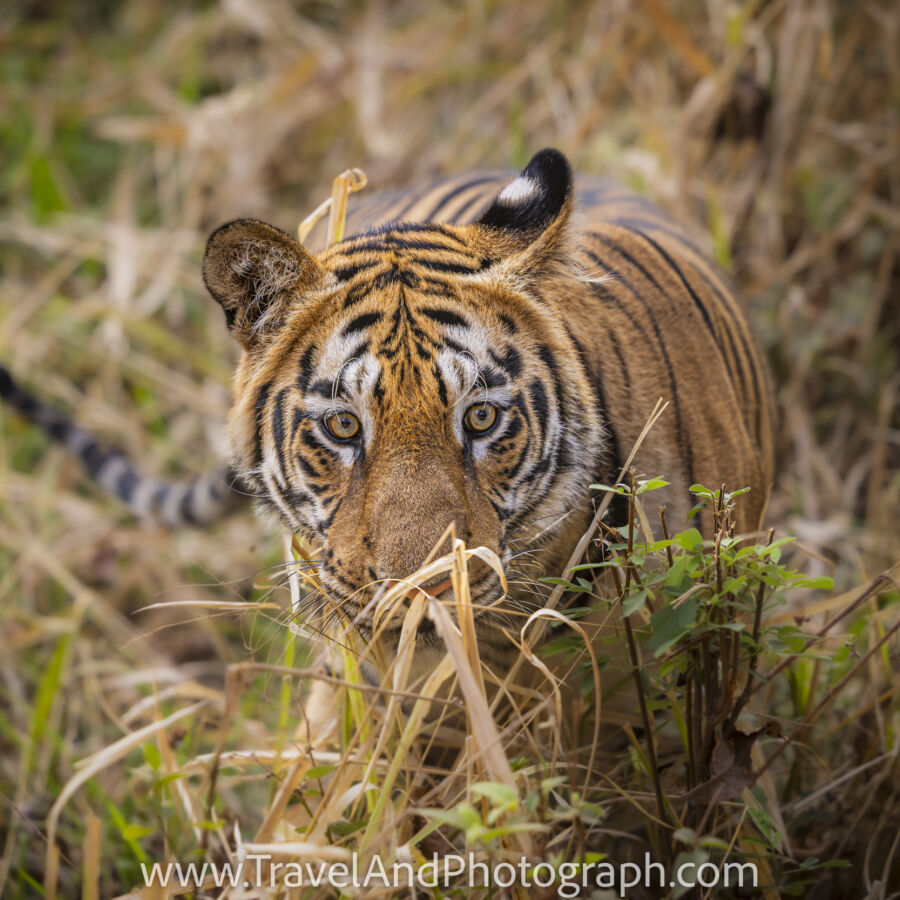
The Ultimate India trip that I offer provides lots of opportunities to photograph tigers in the wild. This young tiger crossed the road in front of us to get a drink for a water hole. Then after getting a drink came close to our vehicle through the grass. The 70-200 2.8 was the perfect lens for this. The 2.8 aperture helped with background seperation and bringing out the face of the tiger. 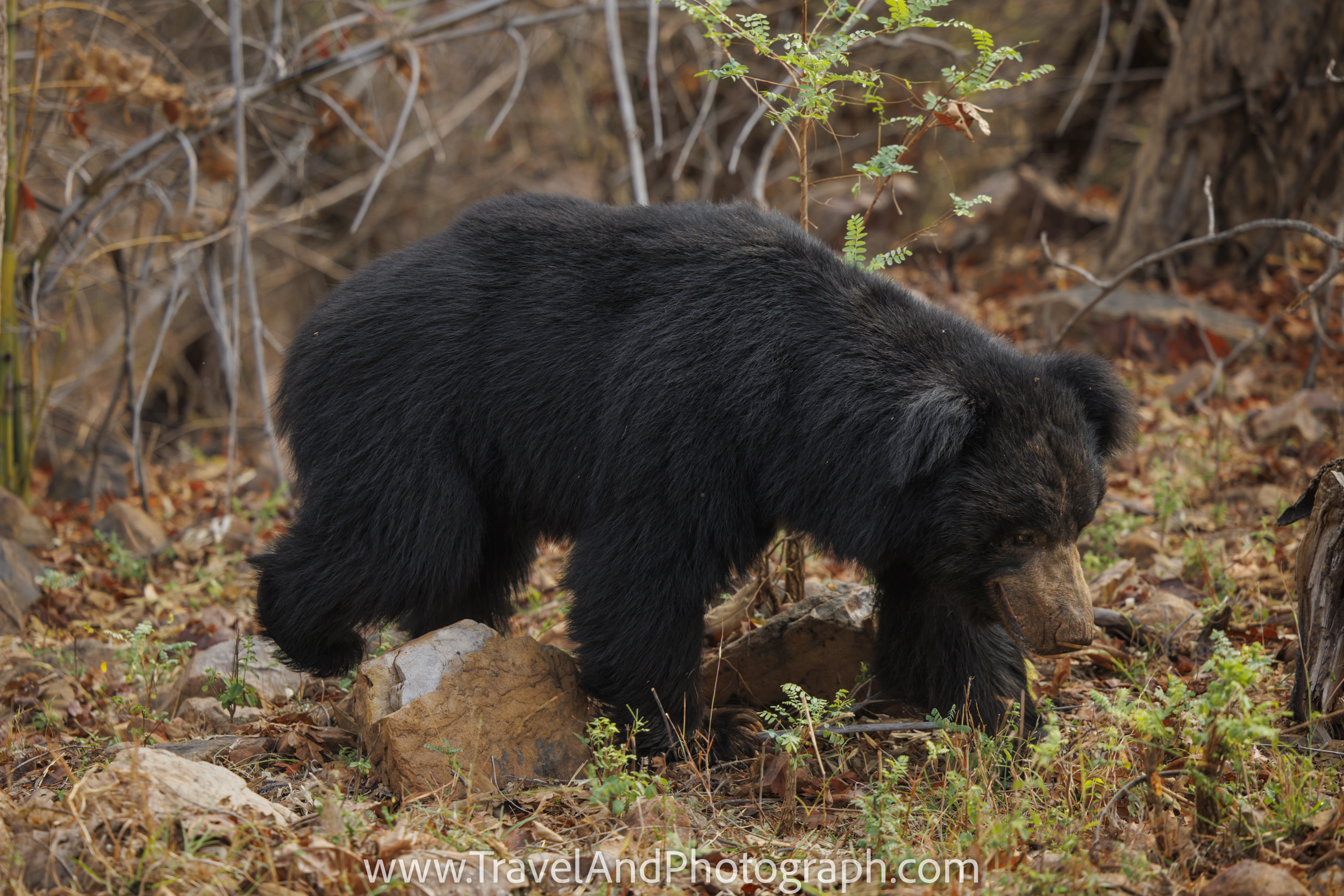
Canon R5 + RF 70-200 2.8 IS @147mm
1/1250 | f2.8 | ISO 640
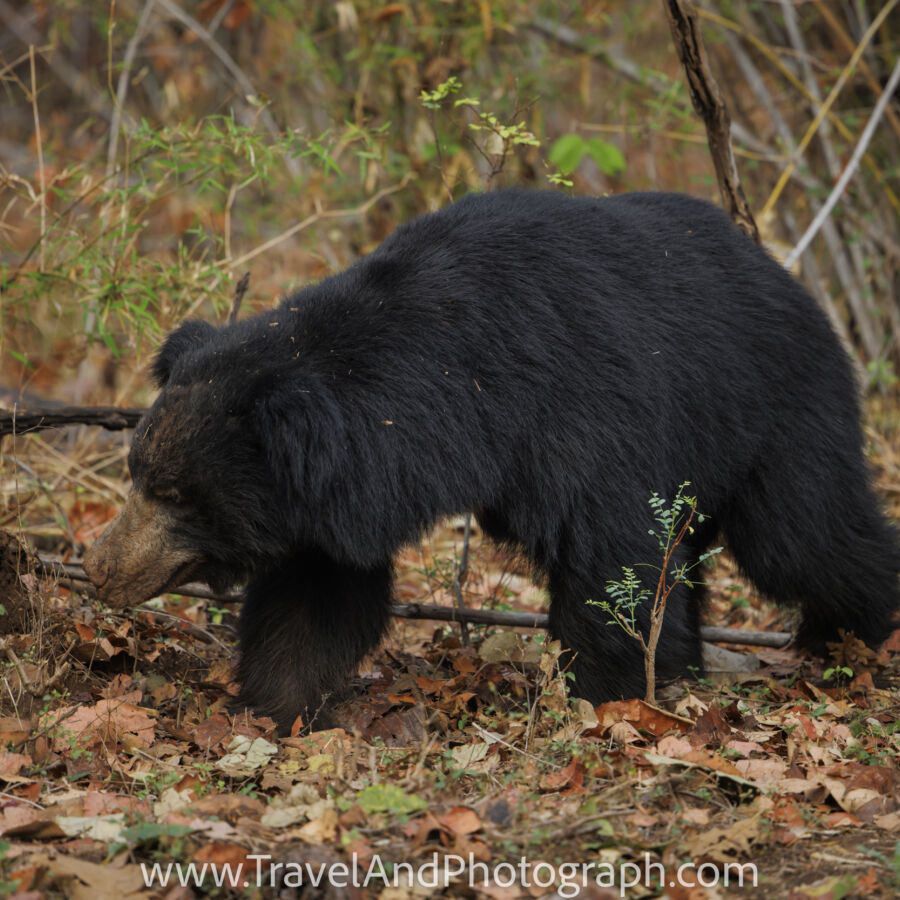
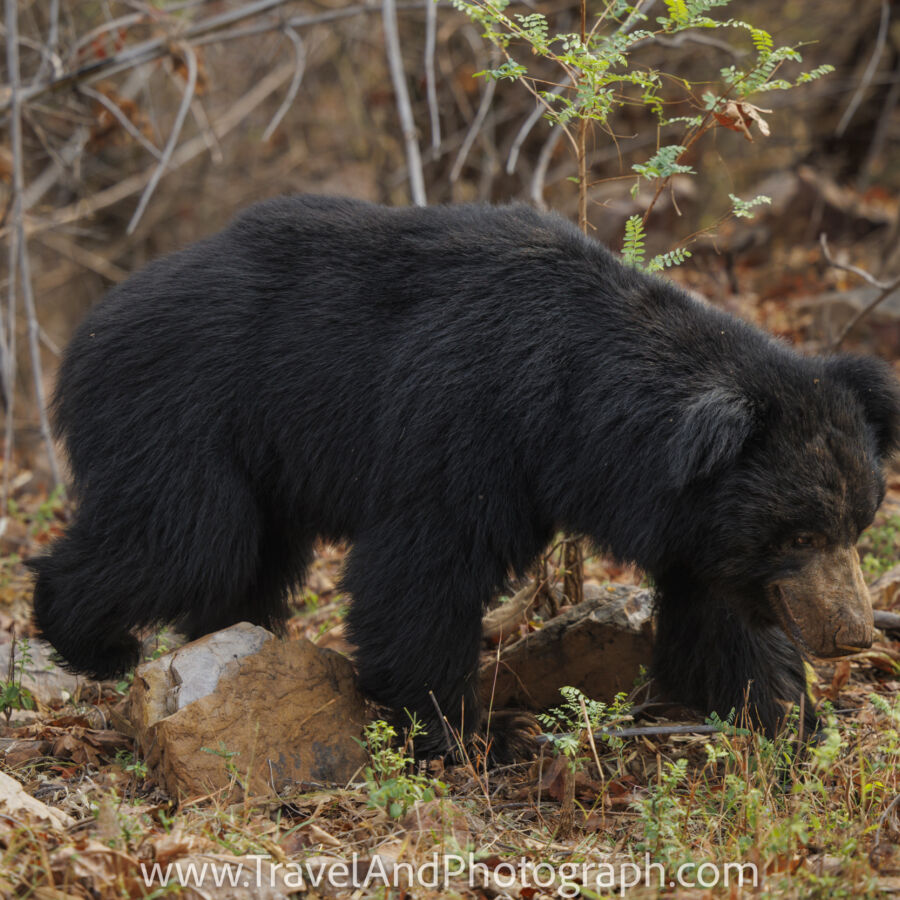
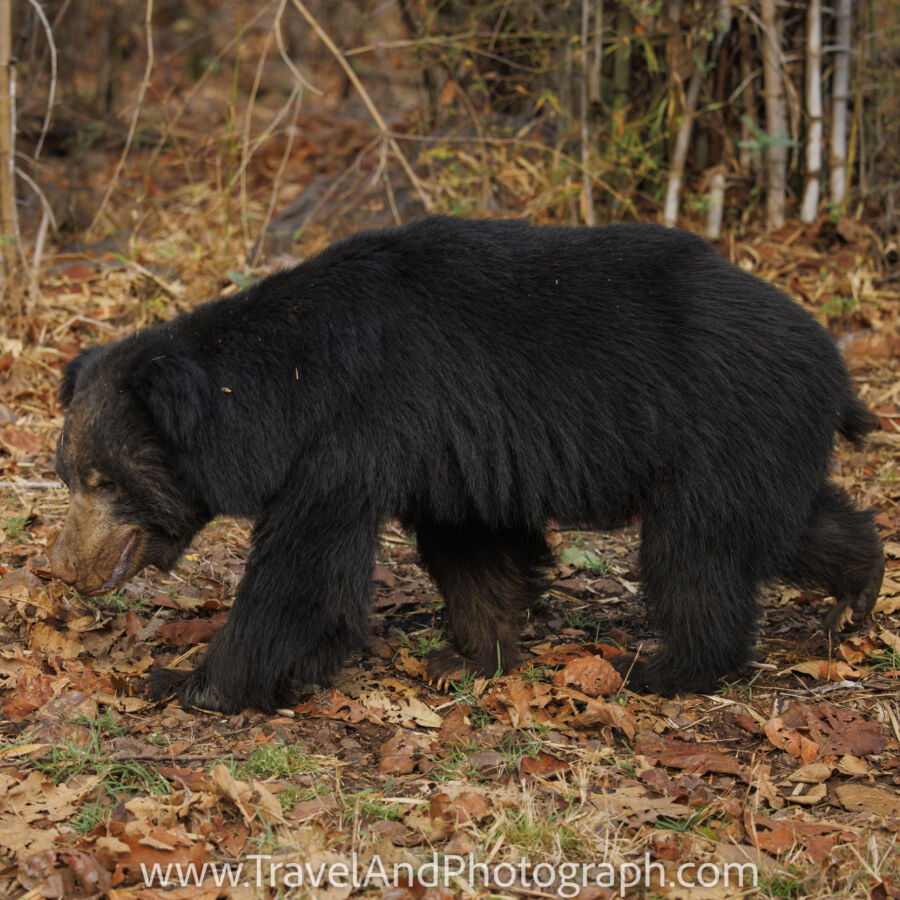
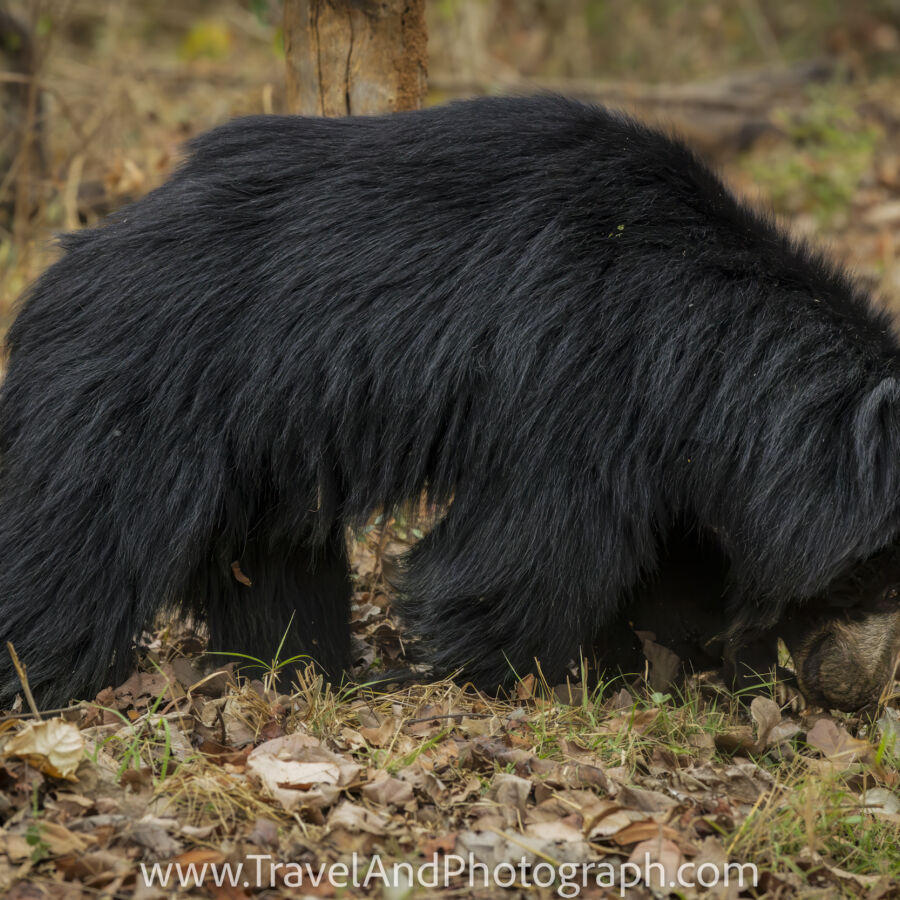
Another highlight from The Ultimate India trip is seeing sloth bears. These are the bear that inspired the character Baloo in Rudyard Kipling's "Jungle Book," so seeing a sloth bear in the wild is extra special. Again the 70-200 2.8 came through as a great option for this photograph showing the bear in some of its habitat.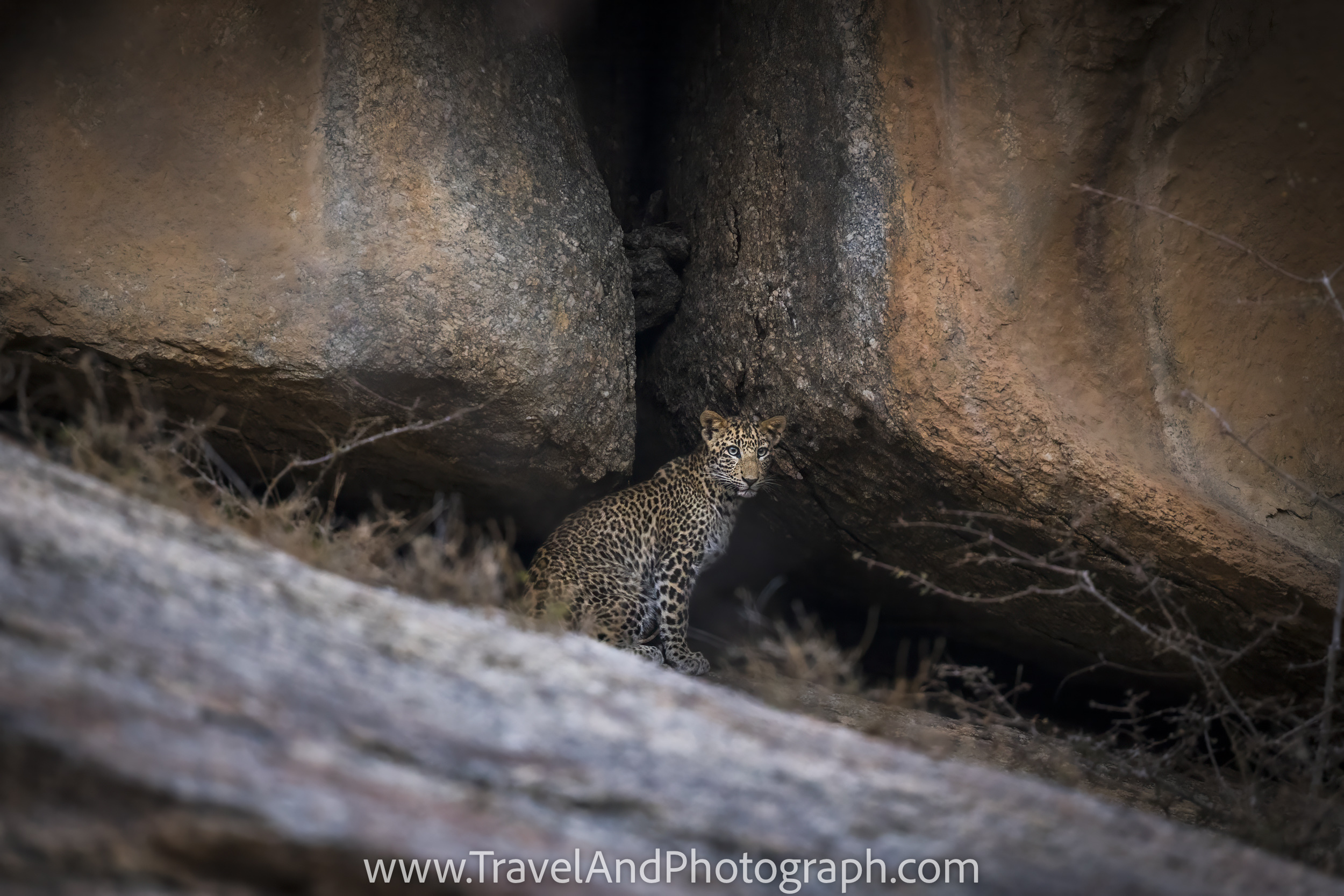
Canon R5 + RF 70-200 2.8 IS @200mm
1/250 | f2.8 | ISO 2500
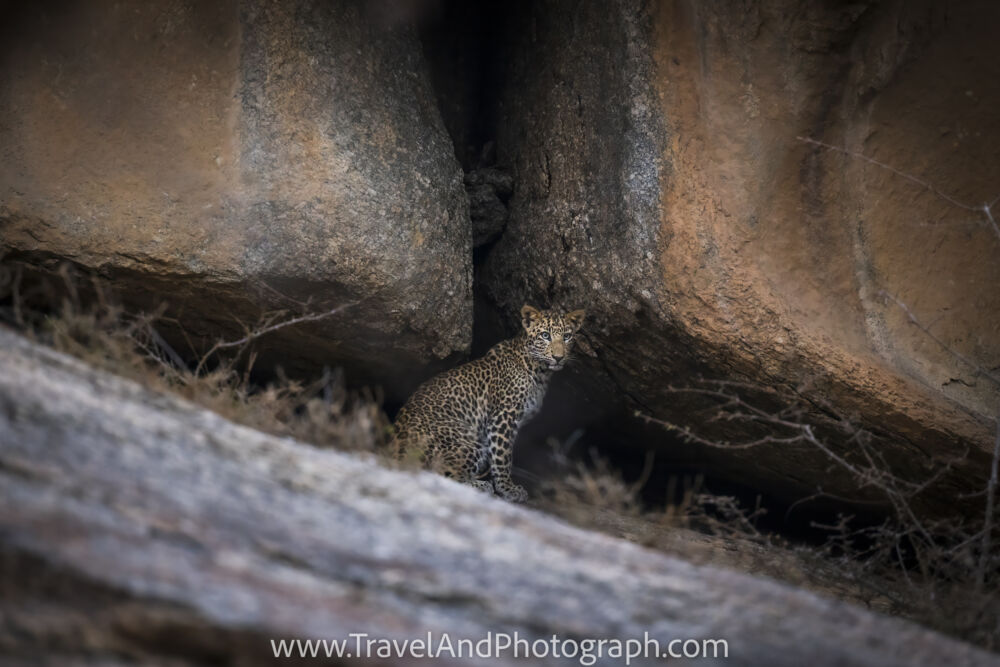
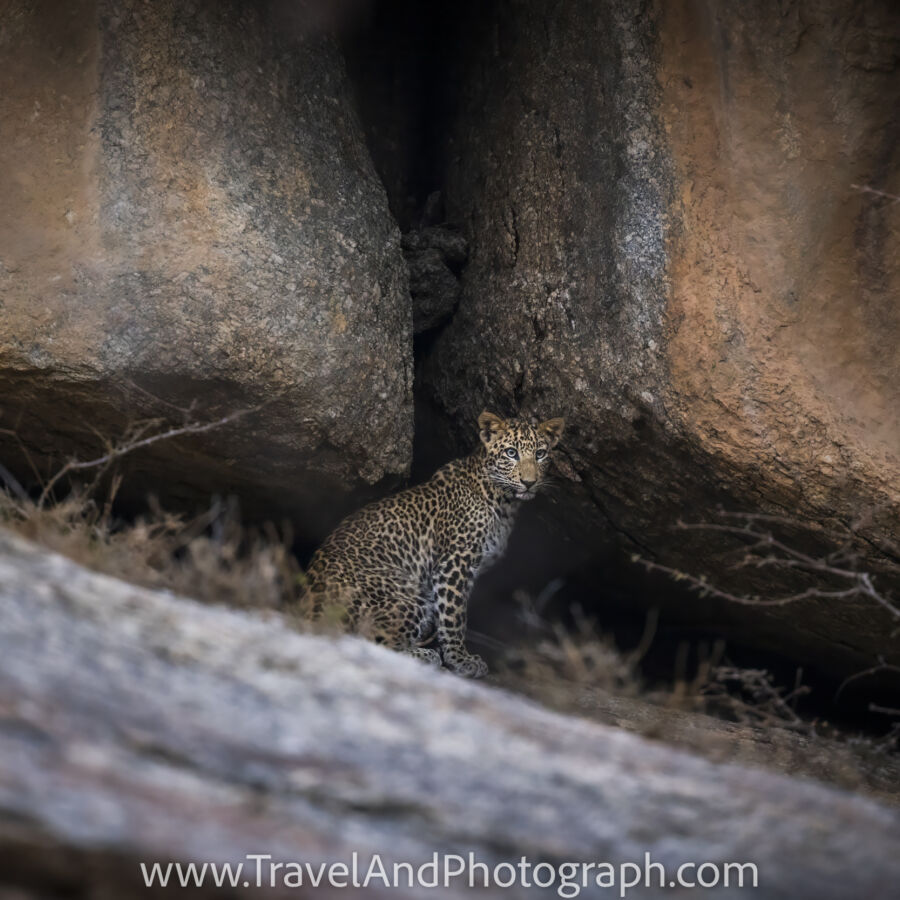
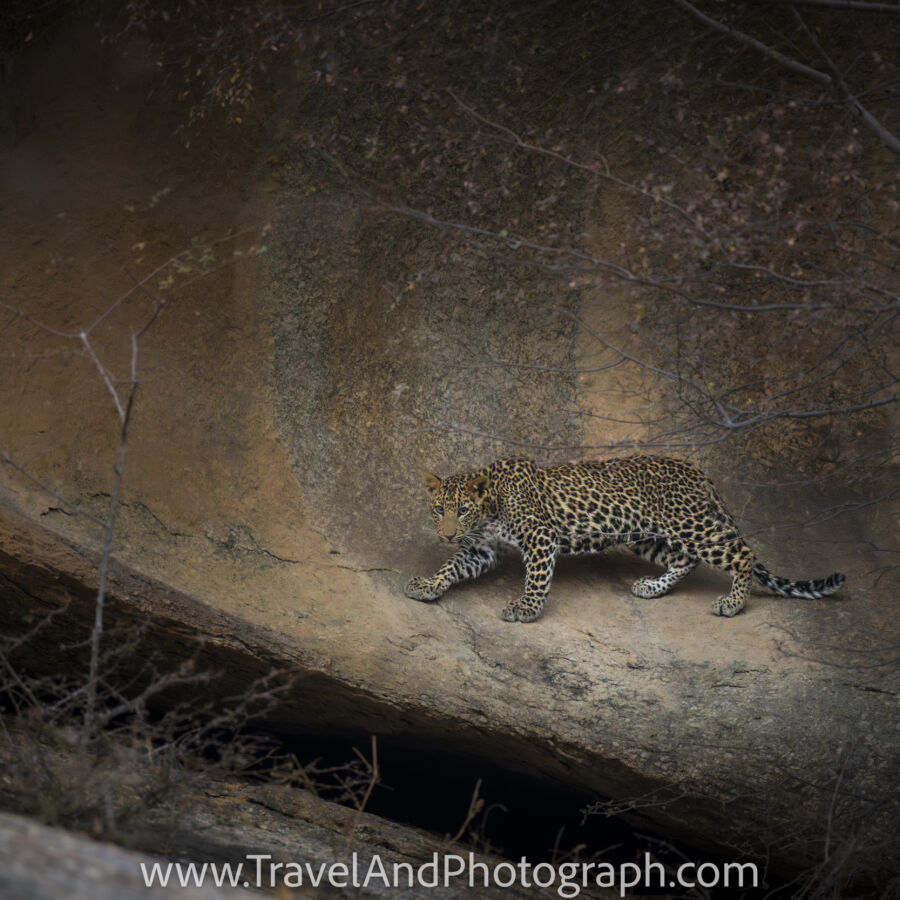
I have a fantastic spot I take guests to for leopards, it is an extension to the Ultimate India trip, and may be the best place in the world for viewing leopards. Here a young leopard pauses in its rocky habitat as it is exploring and looking for prey. This was early morning as the light was coming up, I was able to take advantage of the 2.8 aperture that the 70-200 offers as well as showcase the the leopards habitat.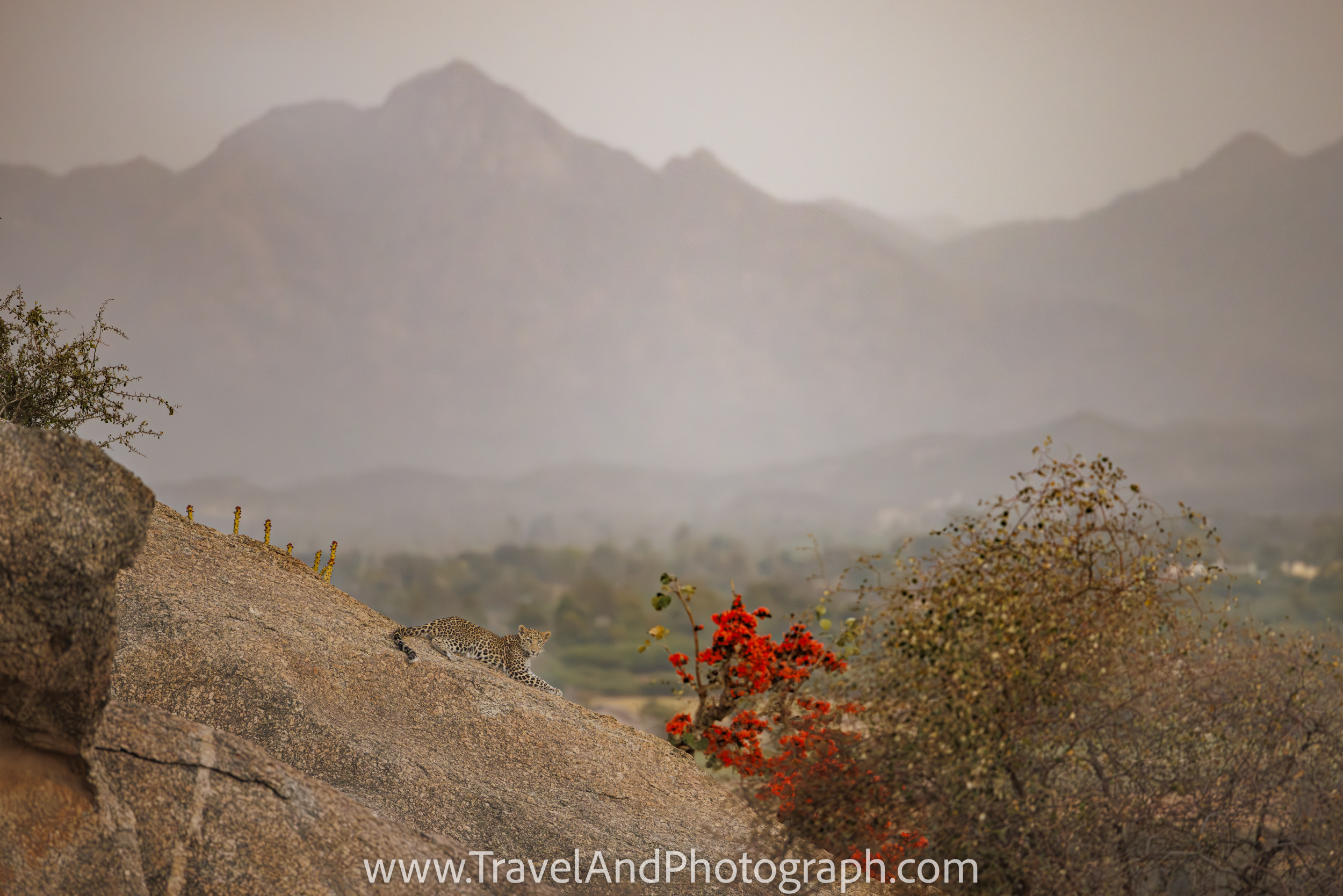
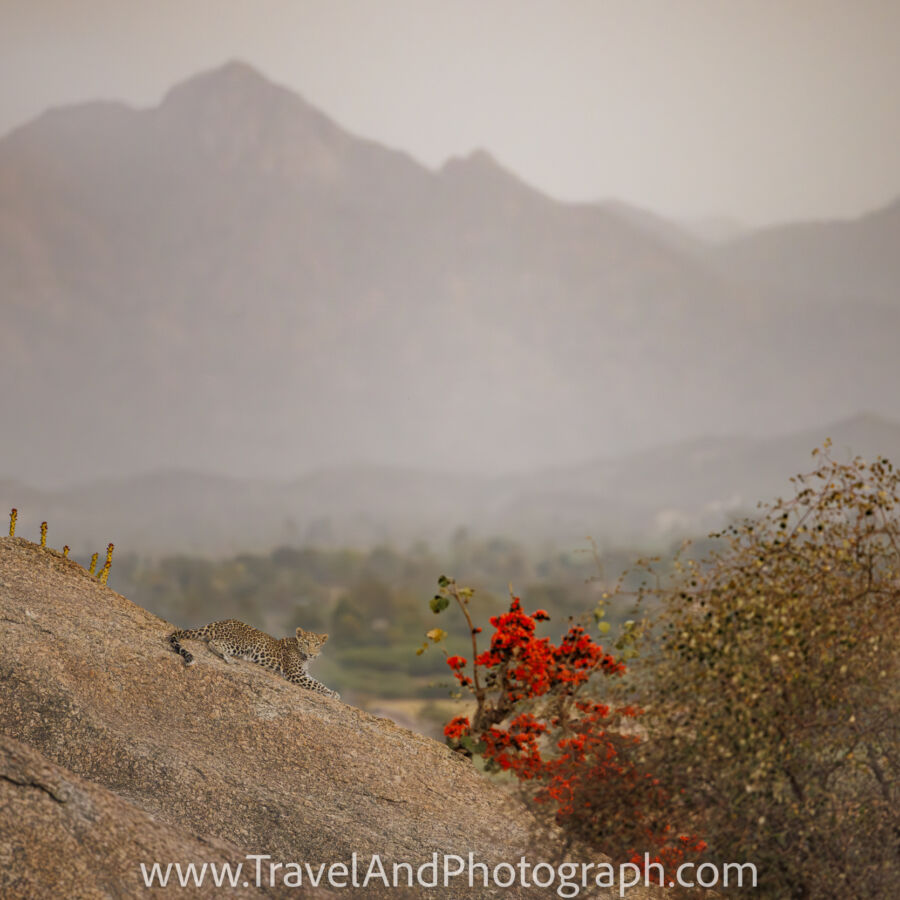
Canon R5 + RF 70-200 2.8 IS @200mm
1/1000 | f2.8 | ISO 1600
Another leopard image from the Ultimate India Leopard extension. This time a leopard relaxes on an open rocky hillside as the sun is setting. 200mm was the perfect length to capture the big picture of this leopard. Yes, close ups of these animals are nice, but sometimes it looks like you are in a zoo and not in the wild. Using a lens like the RF 70-200 2.8 on safari gives you different opportunities to create different images at different focal lengths.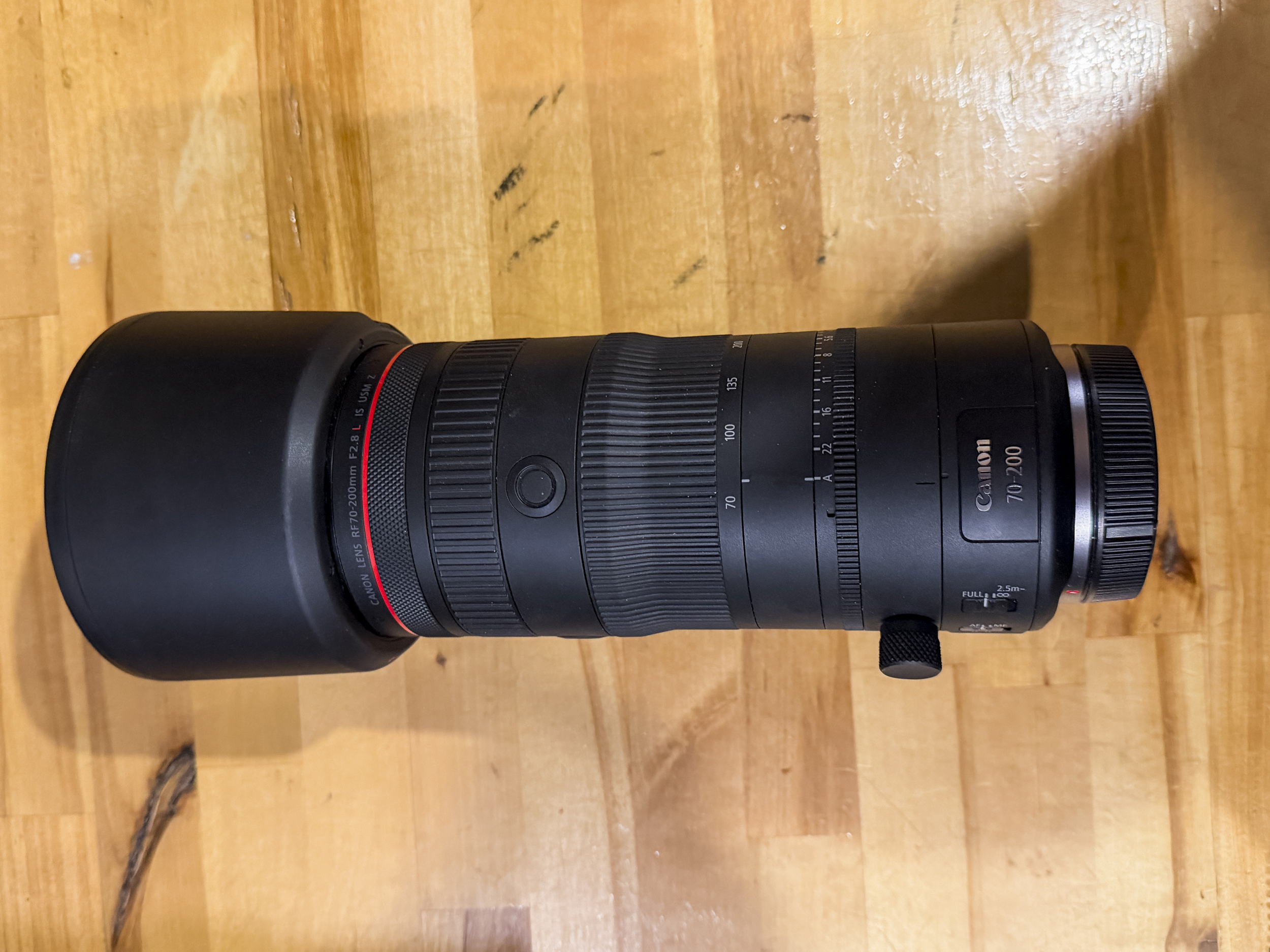
Canon RF 70-200 2.8 IS Z - This is the RF lens many were waiting for. Internal zoom, a reduction of weight over the EF version and just an incredibly sharp lens to use. Unlike the original RF 70-200 2.8, it also accepts both the RF 1.4x and RF 2x teleconverters making it one of Canon's most versatile lenses. It's also available in both black and white. 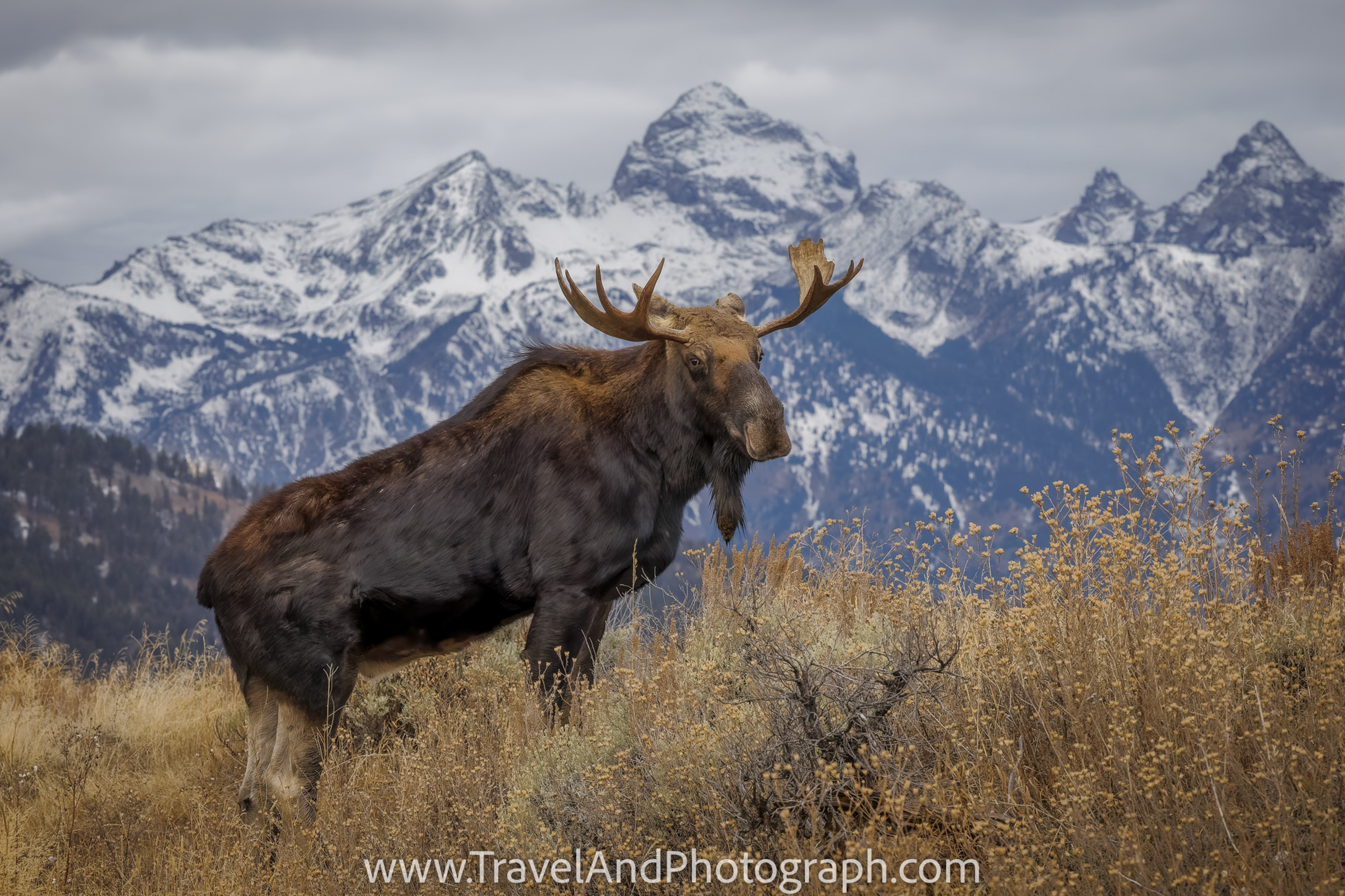
Canon R1 + RF 70-200 2.8 IS Z @163mm
1/1000 | f11 | ISO 3200
Nothing is more picturesque than a Moose in front of the Teton Mountain Range. A bull moose had just come out of the water and was climbing up the hillside with the Tetons in the background. I hurried to get in position with the RF 70-200 2.8 IS Z, as the moose was almost to the top of the hillside, it turned at looked back in my direction. I also stopped the aperture down to f/11 to bring in more of the background. This image once again illustrates how valuable the 70-200 2.8 lens can be, as it allowed me to create one of my dream images.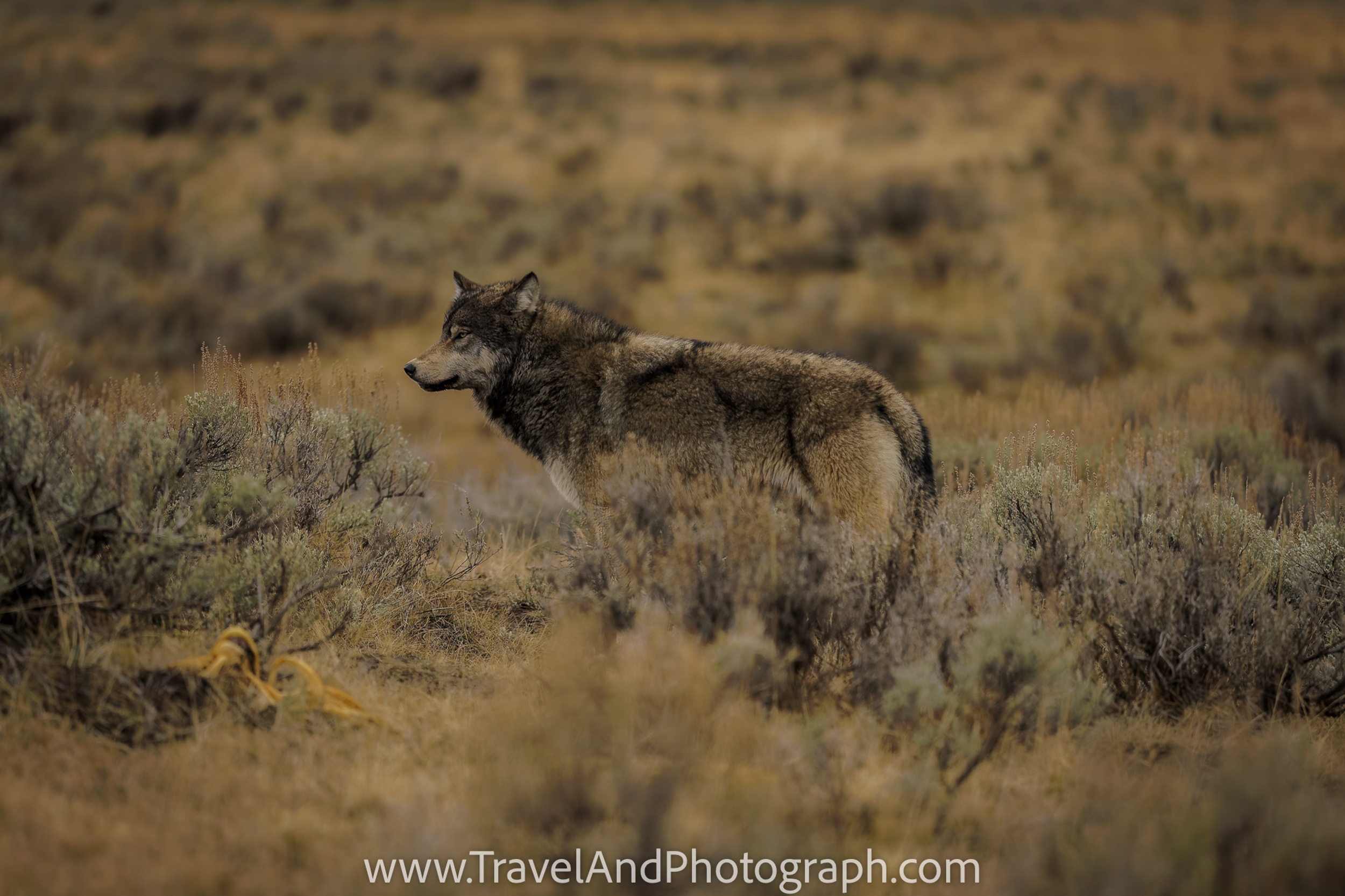
Canon R1 + RF 70-200 2.8 IS Z @200mm
1/2000 | f2.8 | ISO 320
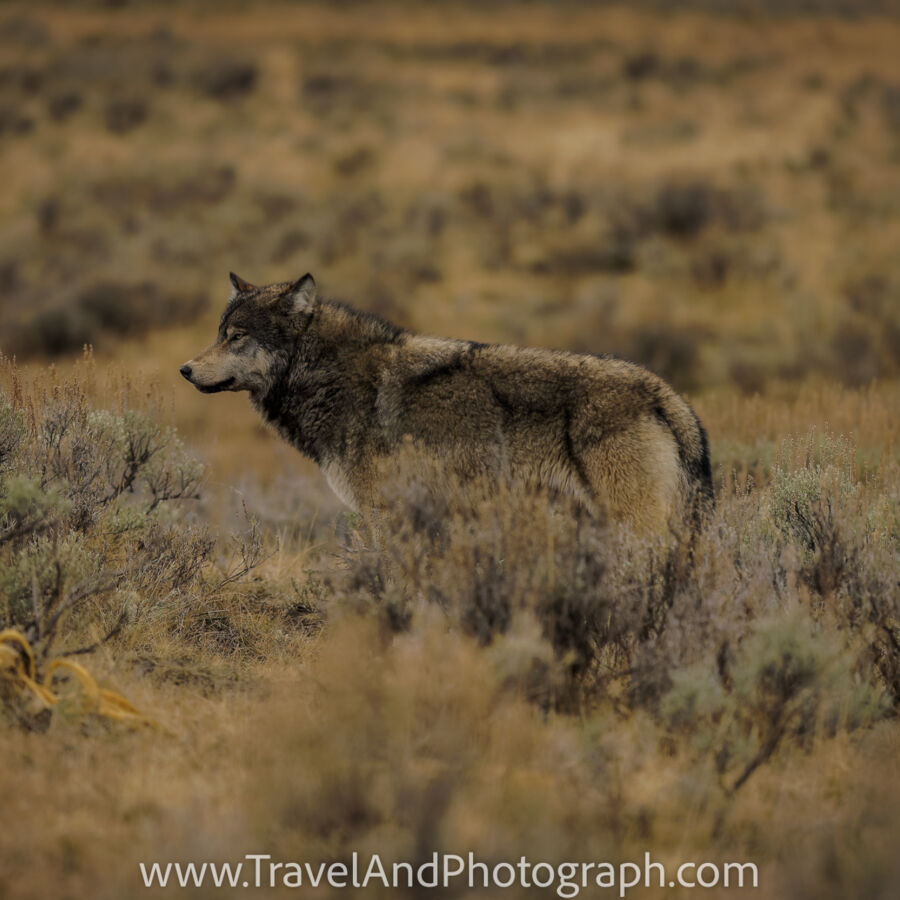
Yellowstone National Park is truly one of America's treasures. It such a vast place that offers excellent wildlife viewing opportunities, from bison to wolves to black bears to grizzly bears. In fact its probably the best place in the world to view wolves. I was driving through Hayden Valley and saw something in the distance walking towards me, as I got about 200 yards from the object, I realized it was a wolf and not a coyote. I pulled over off of the road (this is something a lot of people in Yellowstone cannot figure out how to do despite large shoulders on the road side). The wolf was now moving faster and decided to turn and head up a hill. I had two options, a RF 600mm 4.0 or the RF 70-200 2.8 Z. With everything happening so fast, I picked the 70-200 2.8 due to ease of handling the smaller lens in this situation. I snapped away and managed to get some great shots and this one is my favorite of the sequence. The wolf blends in with the surround habitat, no wonder they are such great predators. 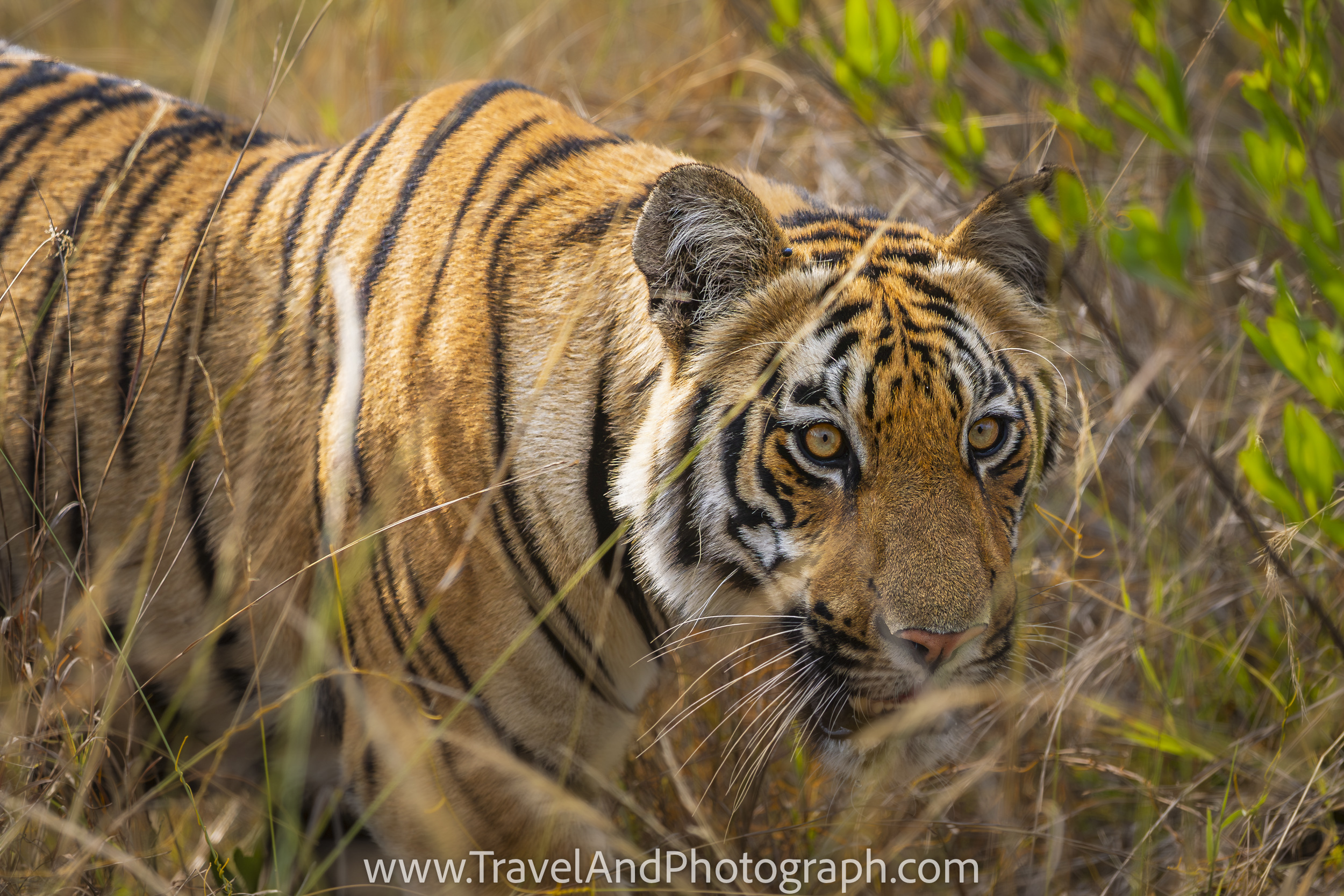
Canon R5 II + RF 70-200 2.8 IS Z @200mm
1/5000 | f2.8 | ISO 320
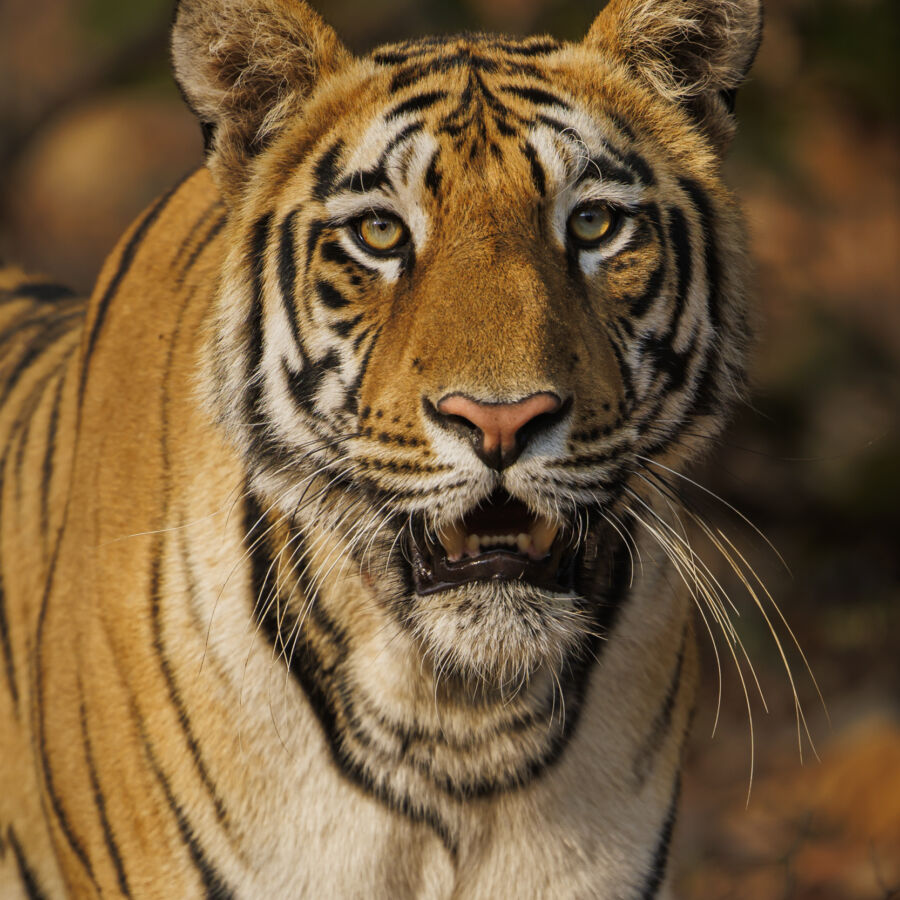
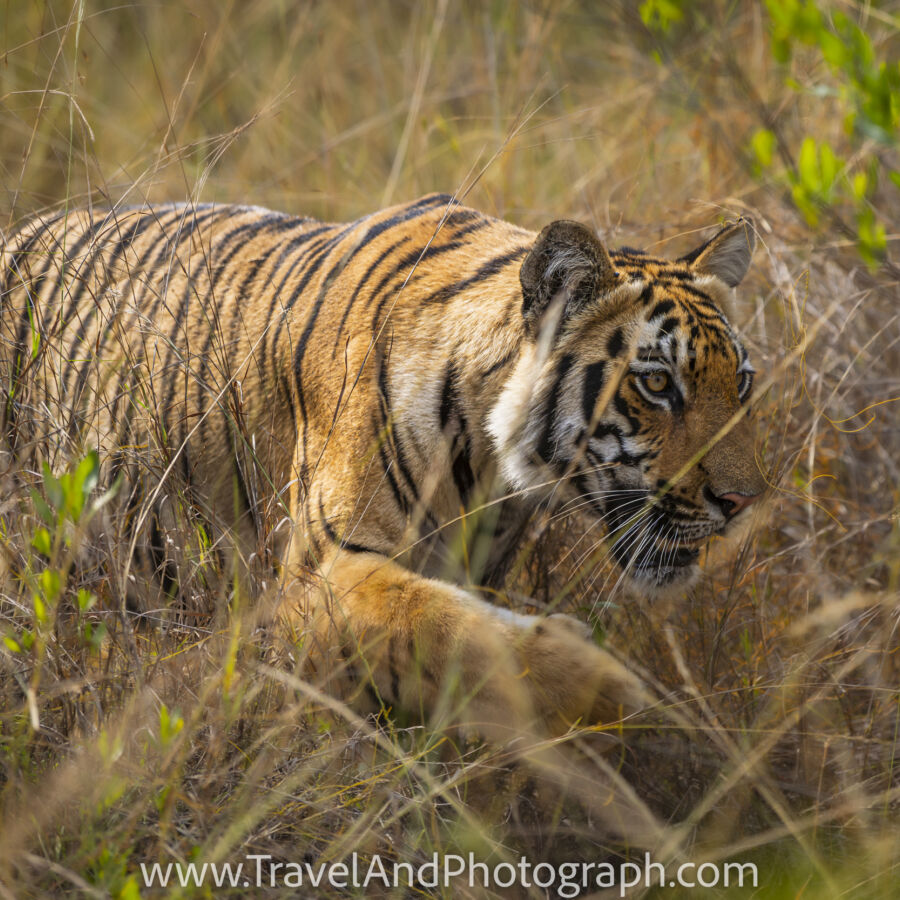
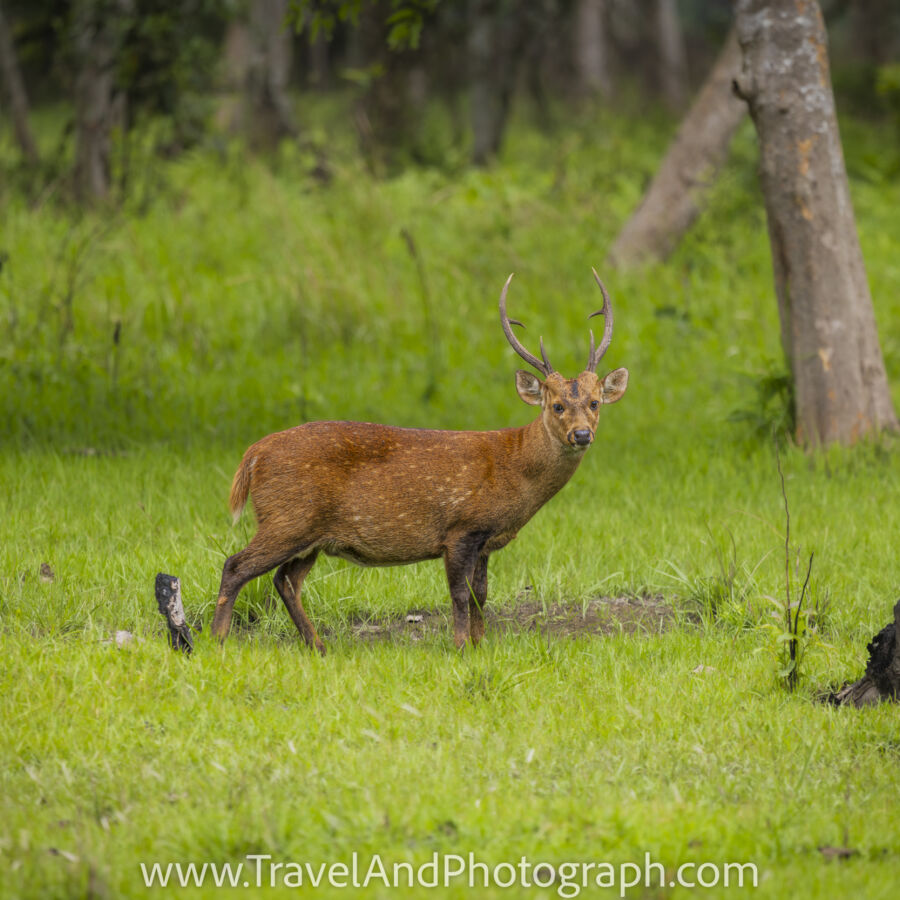
A tiger stalking a deer through the grass on The Ultimate India trip. I work with the best ground crew and local guides in India to create an amazing experience for my guests. In this instance, it was more than luck that we got to witness this tiger stalking a deer through the grass. The deer cannot see the tawny color of the tiger and primary see everything as a green shade. The 70-200 2.8 Z allowed me to zoom out and get a larger picture as well as zooming into 200mm to get a more intimate and intense portrait of the tiger.
Next we will showcase Images with the RF 70-200 2.8 Z + the RF 1.4x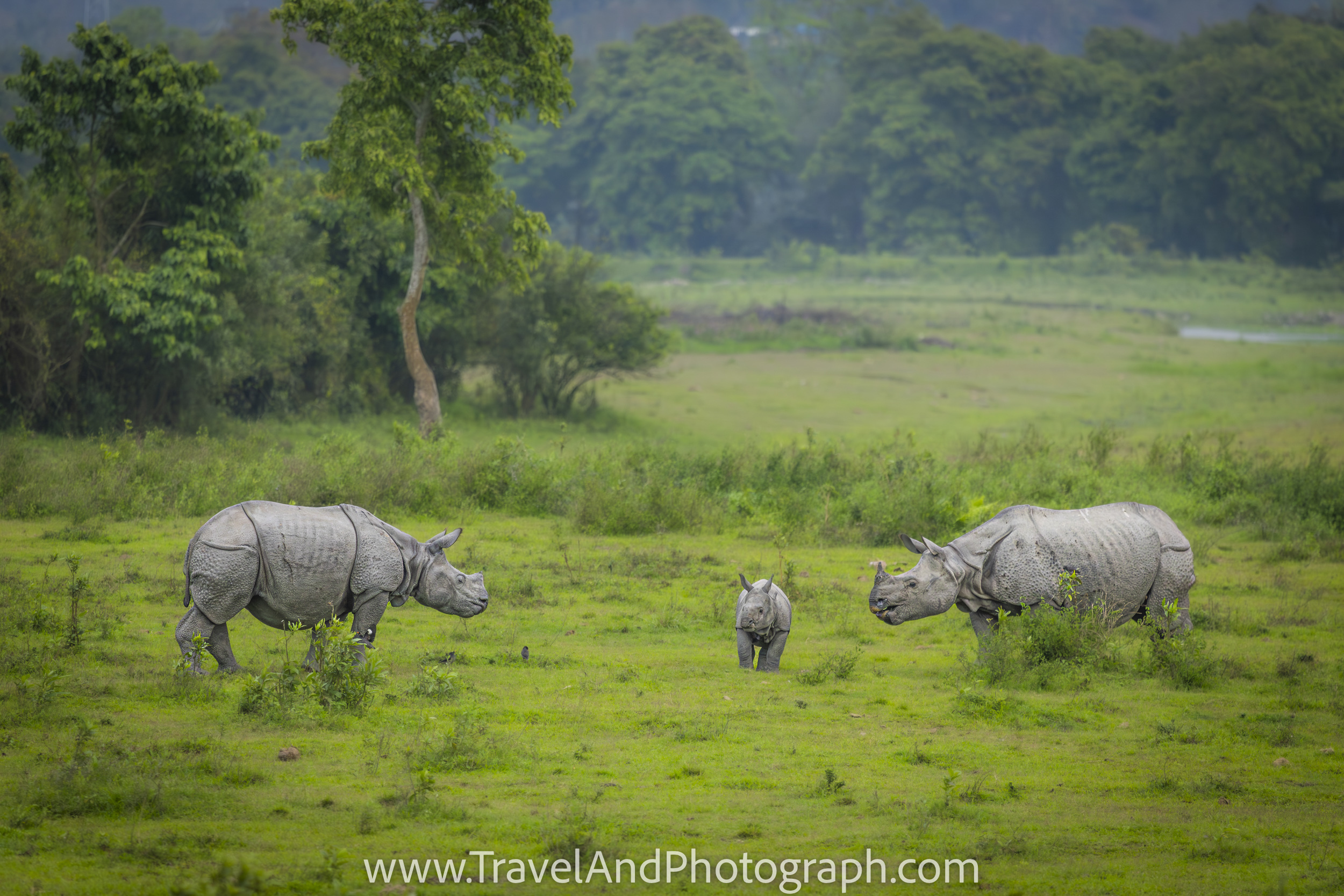
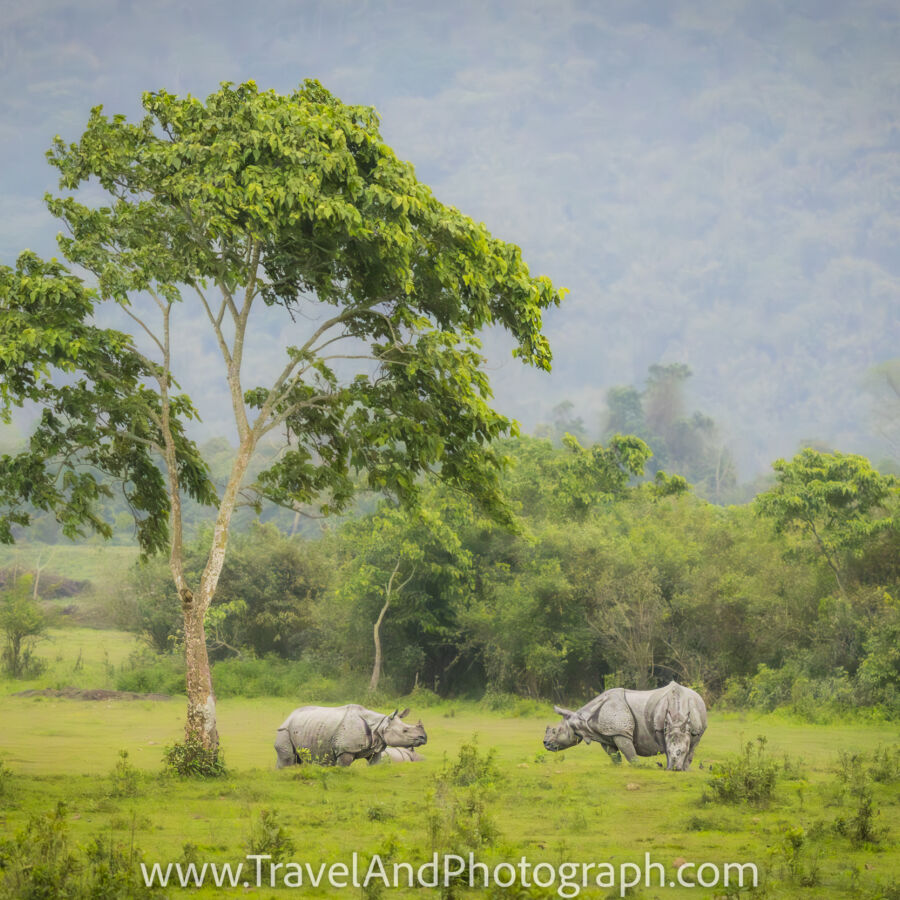
Canon R5 II + RF 70-200 2.8 IS Z + RF 1.4x @280mm
1/1000 | f4 | ISO 3200
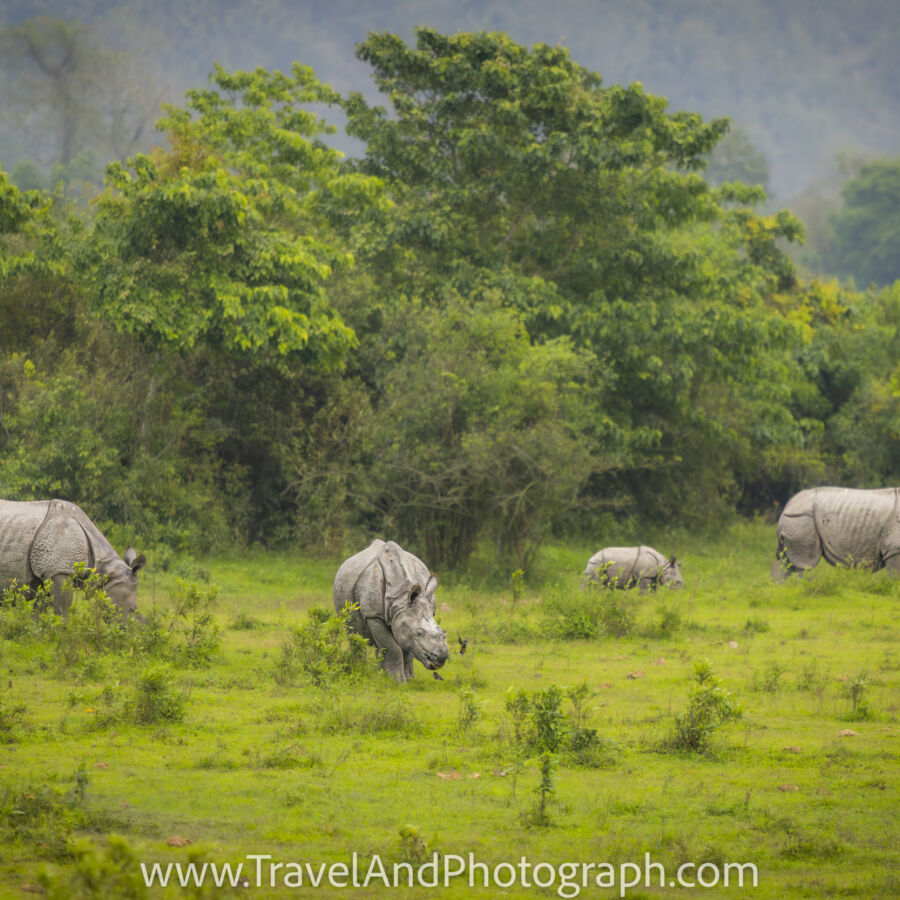
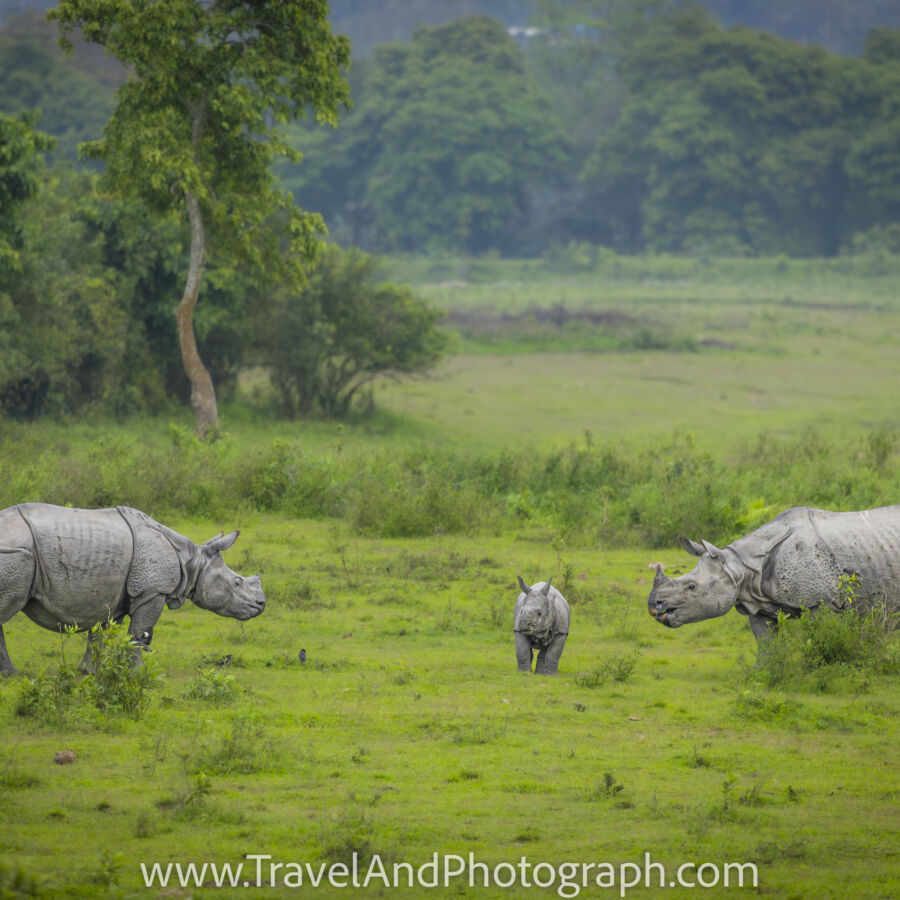
This image of three one-horned rhinos was taken during my Ultimate India Trip. It's not a picture of peace that it may portray, but a photo of tension and mother instinct. The rhino on the left got a little too close to the baby in the middle, and the rhino on the right is the mother of the rhino baby. Soon after this photo was taken, the mother rhino charged and chased off the rhino on the left. The range of the 70-200 2.8 Z + 1.4x (98mm-280mm) allowed me to zoom and capture the whole sequence. Again showcasing why the 70-200 2.8 Z is such a great lens for not only image quality but portability. 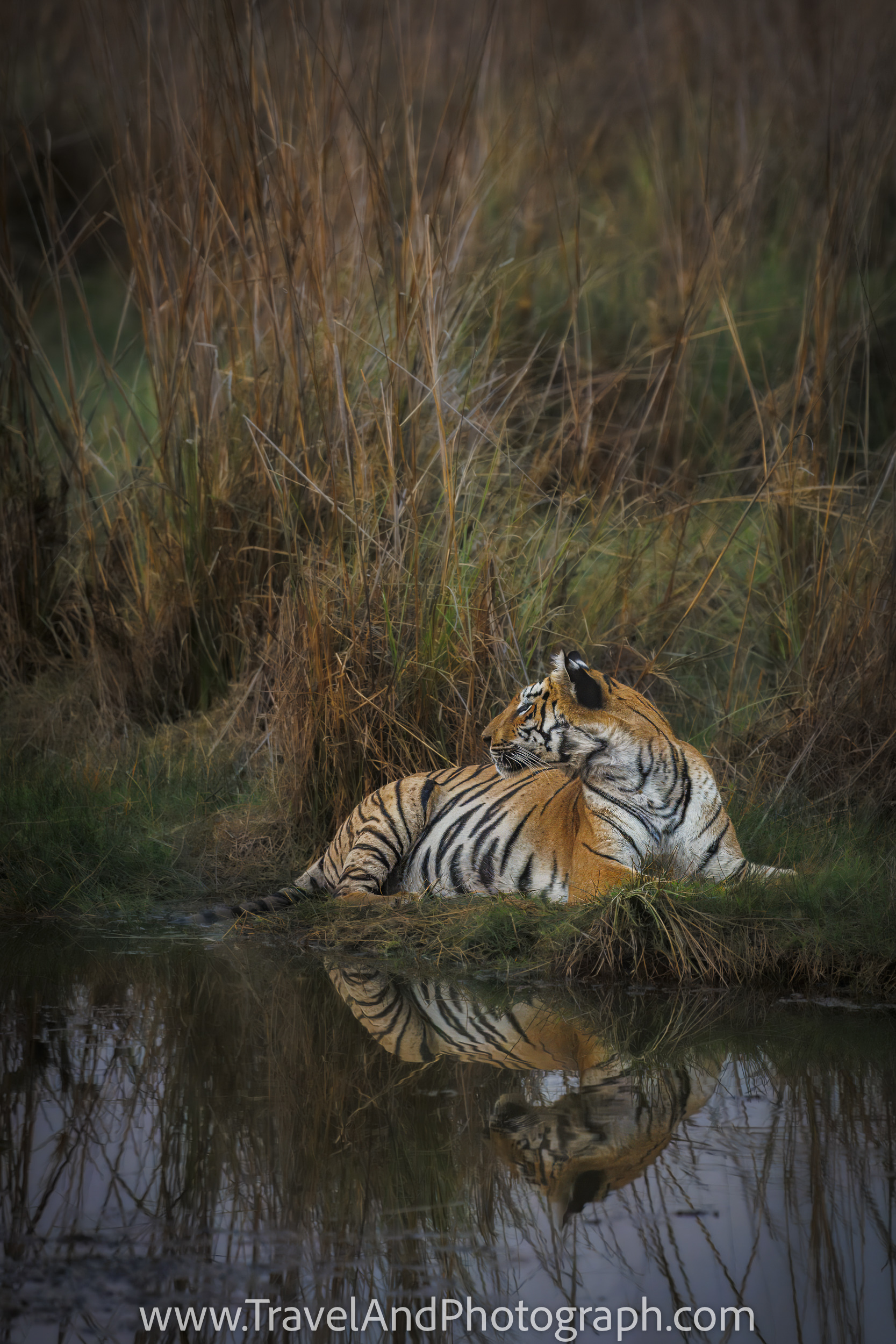
Canon R5 II + RF 70-200 2.8 IS Z + RF 1.4x @280mm
1/500 | f4 | ISO 12800
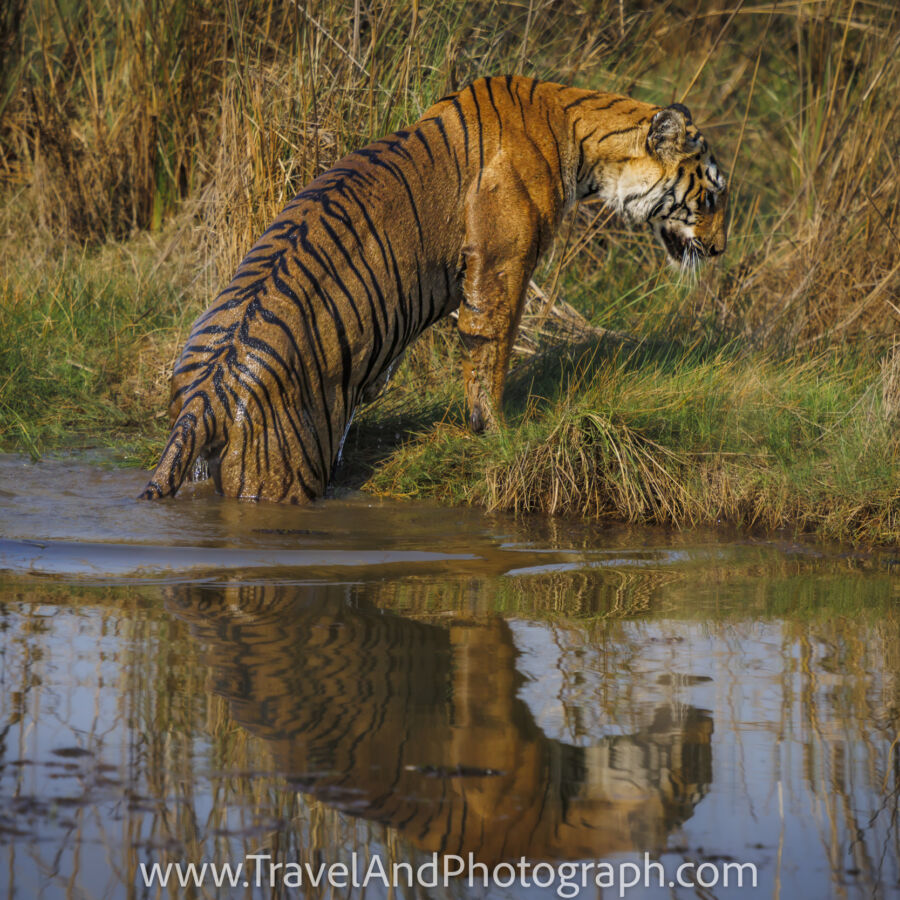
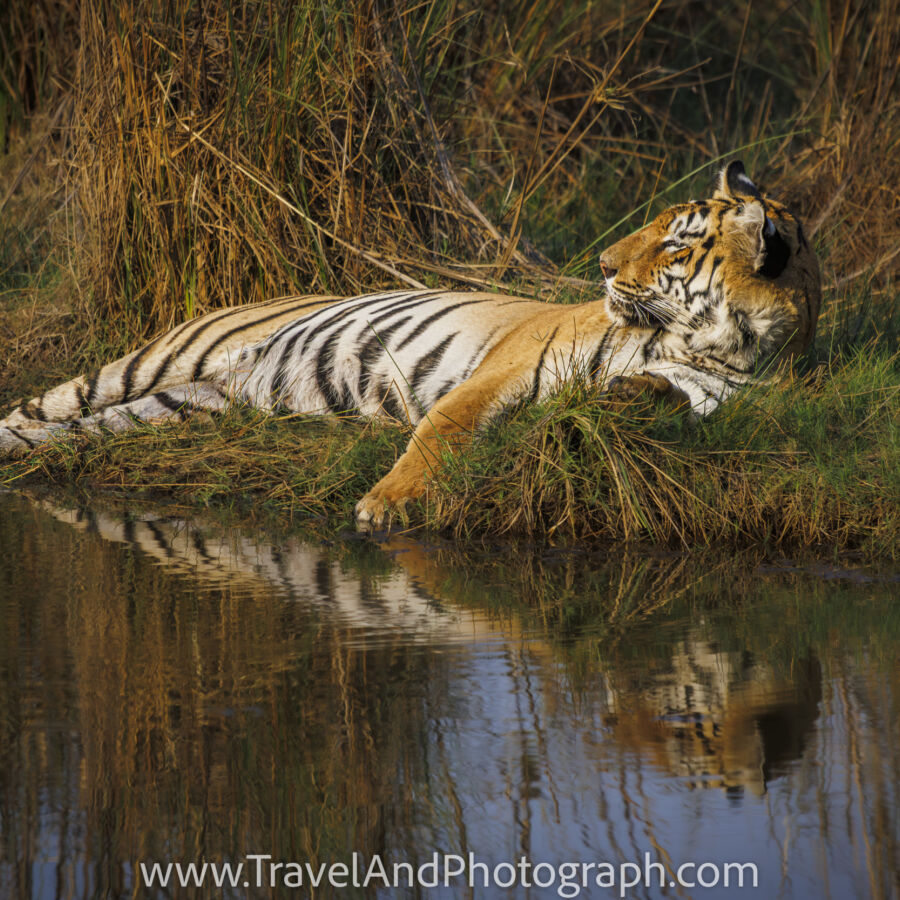
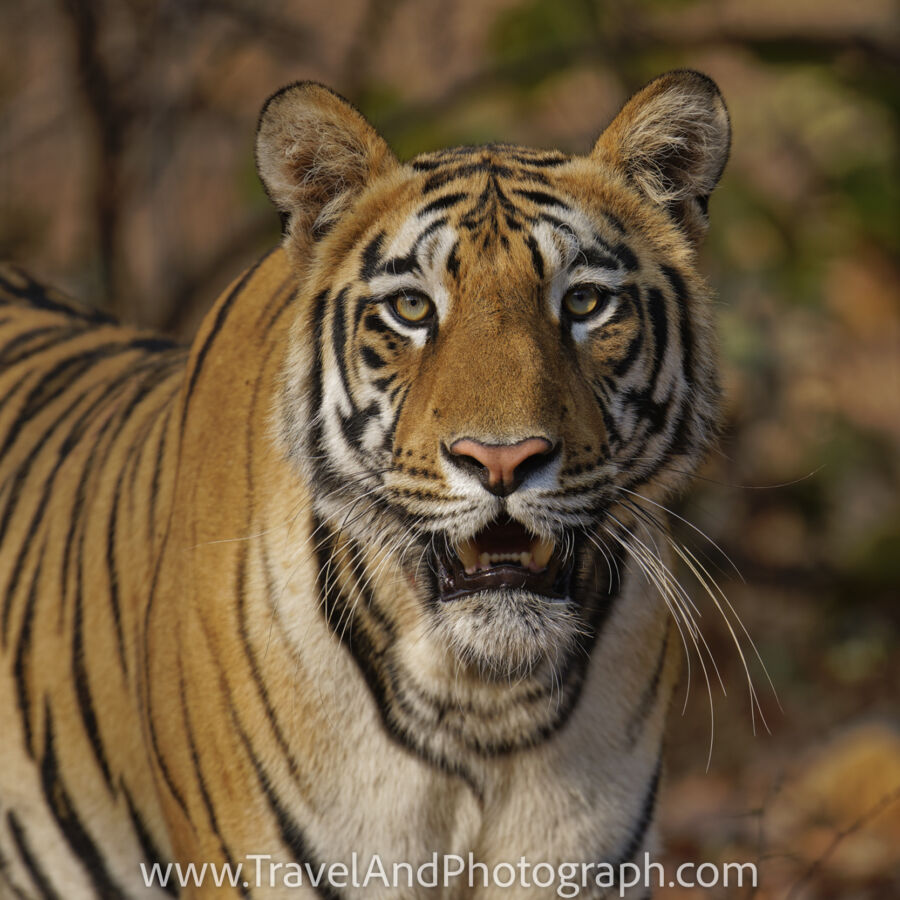
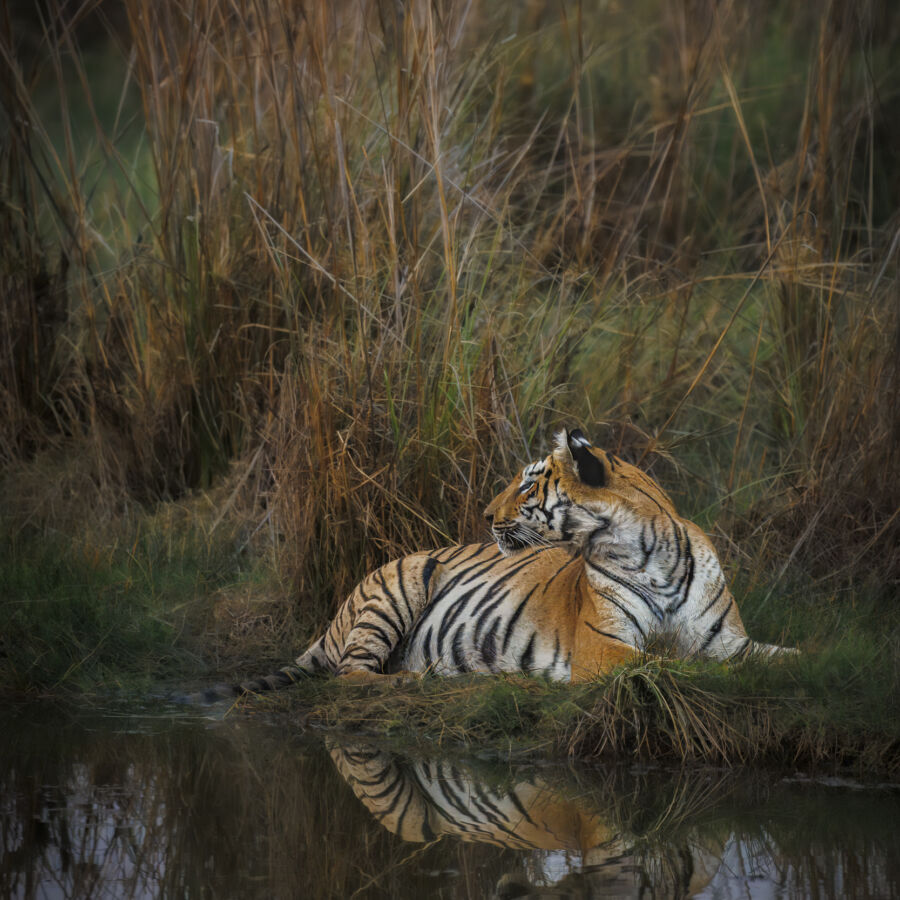
Late in the evening, with the heat of the day still sweltering, this female tiger was going back and forth from soaking in the water and resting at its edge. I was able to anticipate what she was going to do and get my group in the perfect position for viewing and photographing. She got up once again for a soak, then came out of the water and layed down with a beautiful reflection. 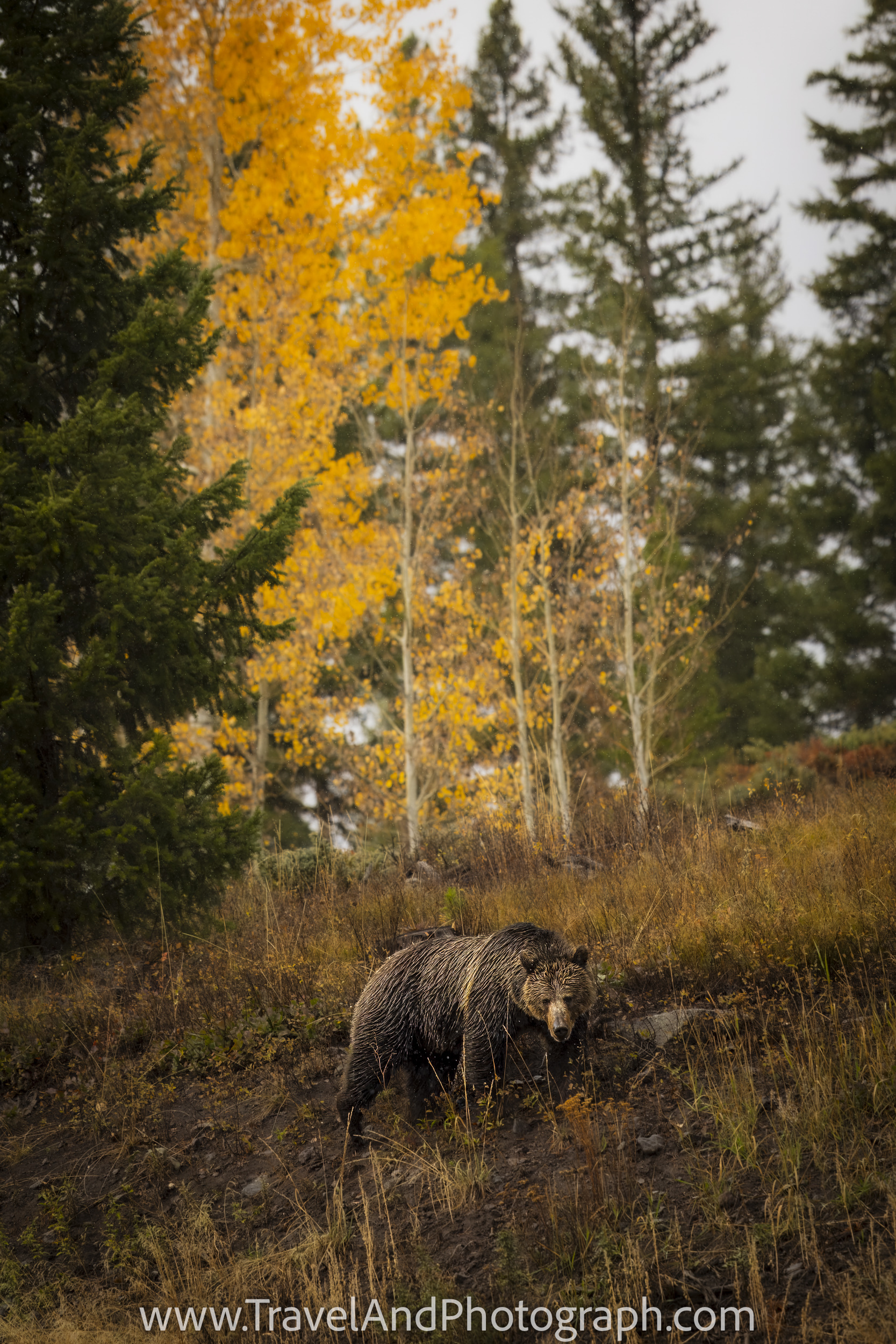
Canon R5 II + RF 70-200 2.8 IS Z + RF 1.4x @151mm
1/1600 | f4 | ISO 800
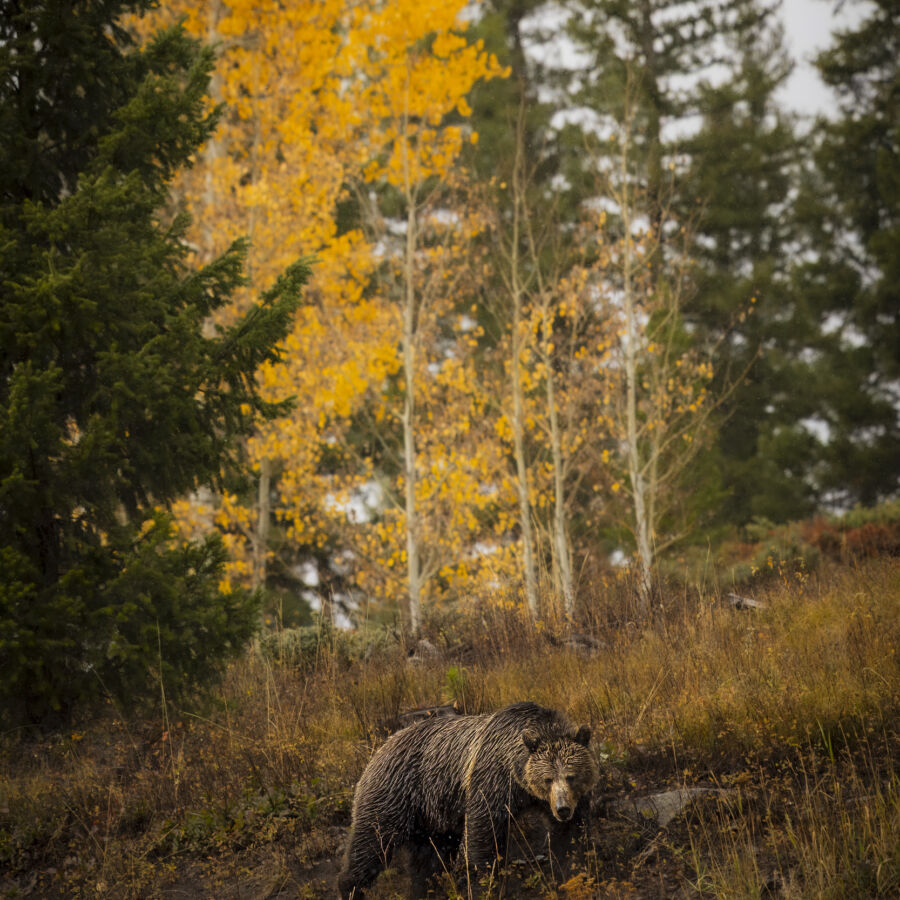
Another iconic animal of Yellowstone, the grizzly bear! With this image being at the focal length of 151mm, one could argue that I did not need the teleconverter for this image, and that is true for this particular image, but the sequence of images before and after this photo, I may have needed the 1.4x teleconverter to achieve the proper composition of the image. I do not like to crop, I don't look at a camera and think, let's crop it. Cropping in my opinion is the last and final stop on the destination. What I do like is the grizzly in the lower 1/3 of the photo and the fall trees in the background, especially the trees with a splash of yellow.
Canon R5 II + RF 70-200 2.8 IS Z + RF 1.4x @128mm
1/5000 | f4 | ISO 500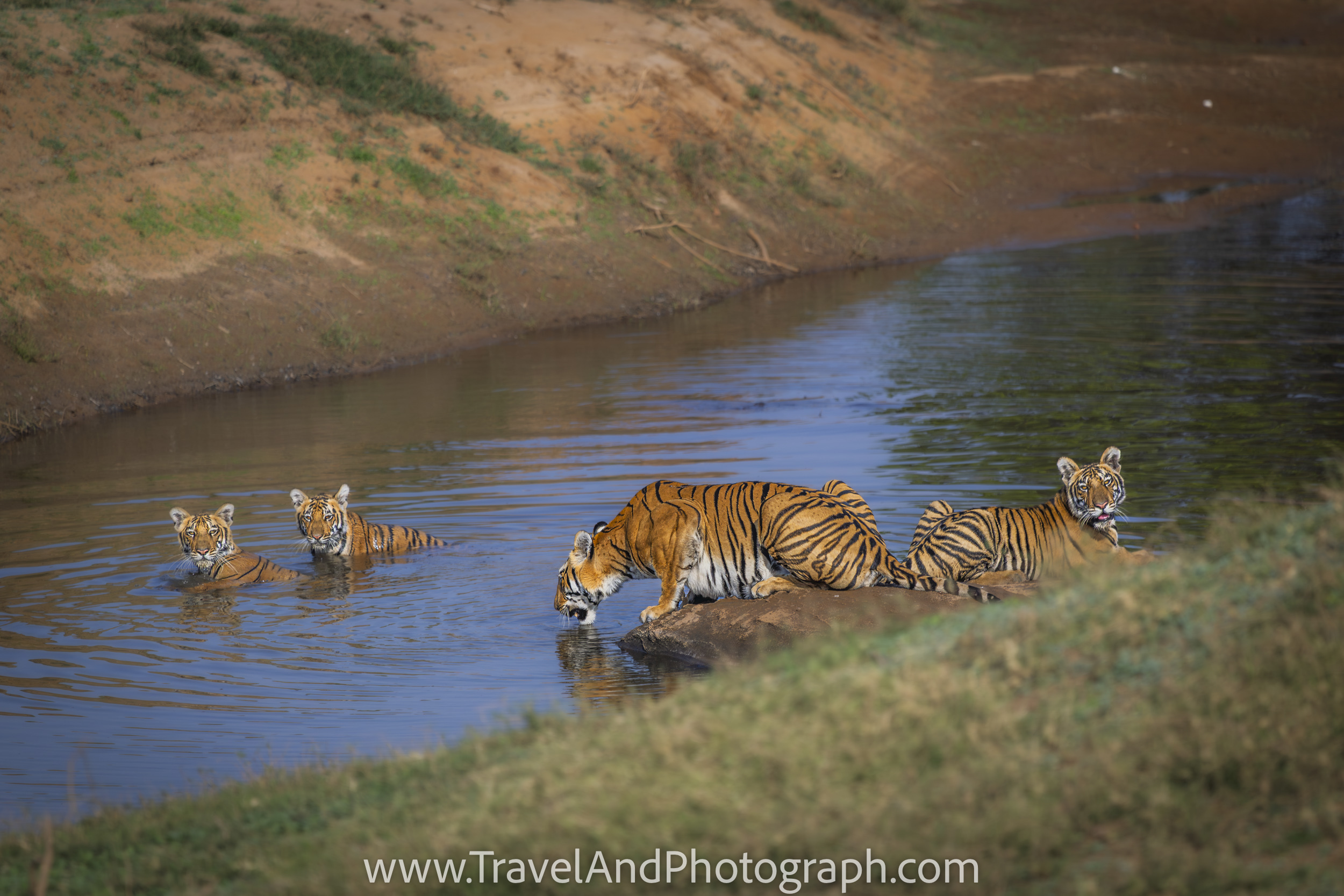
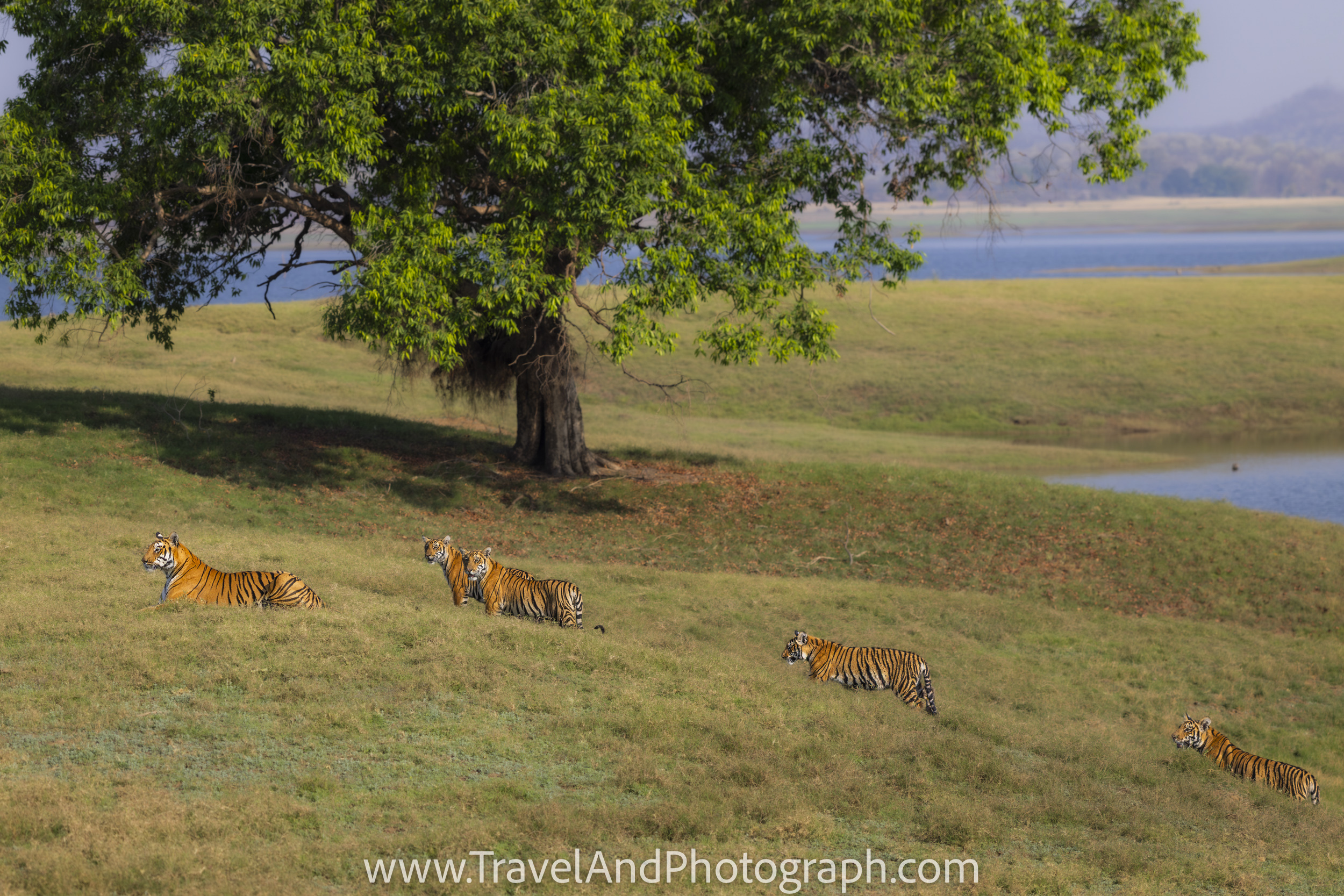
Canon R5 II + RF 70-200 2.8 IS Z + RF 1.4x @280mm
1/5000 | f4 | ISO 500
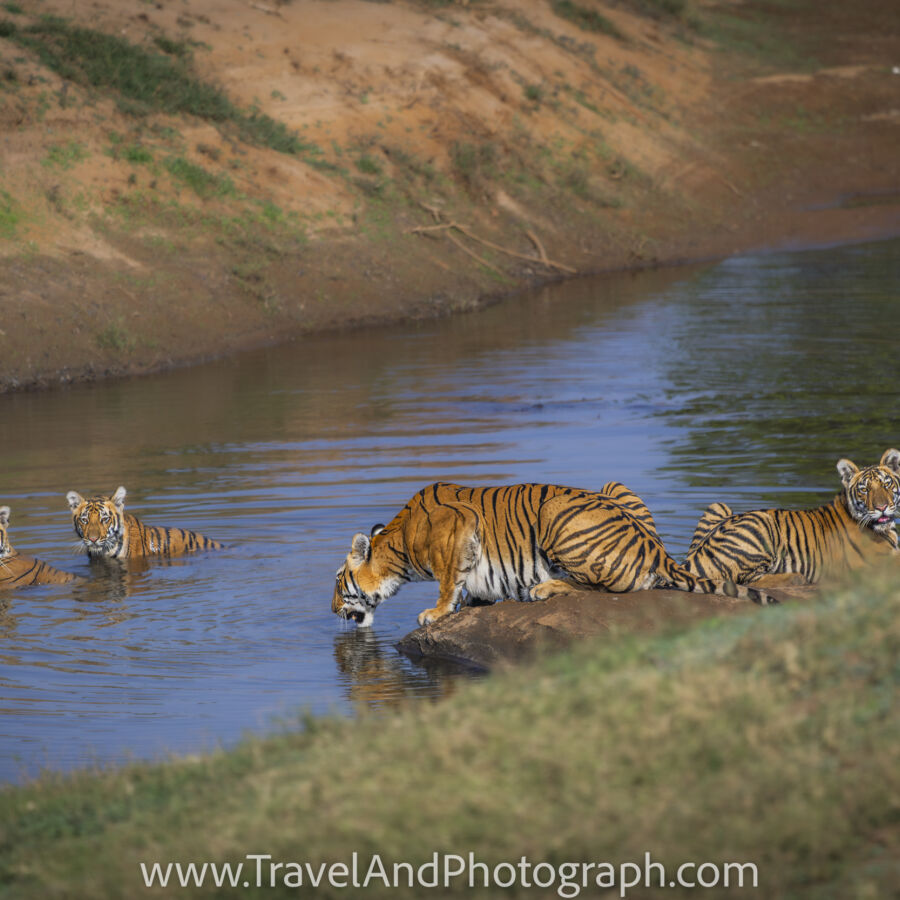
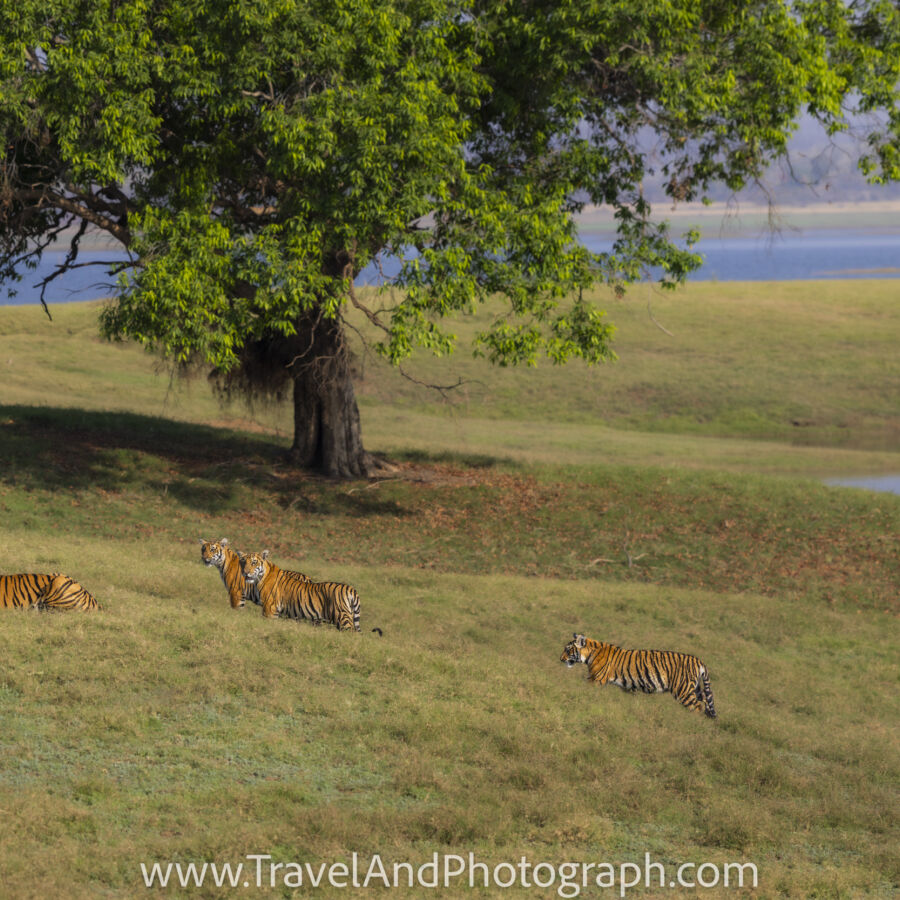
The two above images demonstrate the how great the 70-200 2.8 Z + 1.4x can be. We spotted a mother tiger and her four cubs on a hillside of trees. In the first photo, she came out of the woods, as the cubs stayed behind to make sure everything was ok. After confidence that the coast was clear, the four cubs followed mom out. Their destination was the second photo - the watering hole for a drink and a swim. In the second photo you may notice there is only three cubs - one of the cubs wandered off and out of the frame. Think about this, first image, wide angle of the cubs catching up with mom, second image, a family shot of the tigers swimming, relaxing and drinking.
Next we will showcase Images with the RF 70-200 2.8 Z + the RF 2x. Granted I have not used this combination much, but do have a few images with it. If your only lens is a 70-200 2.8 that accepts a teleconverter, then I think the 1.4x and 2x teleconverters will be essential.
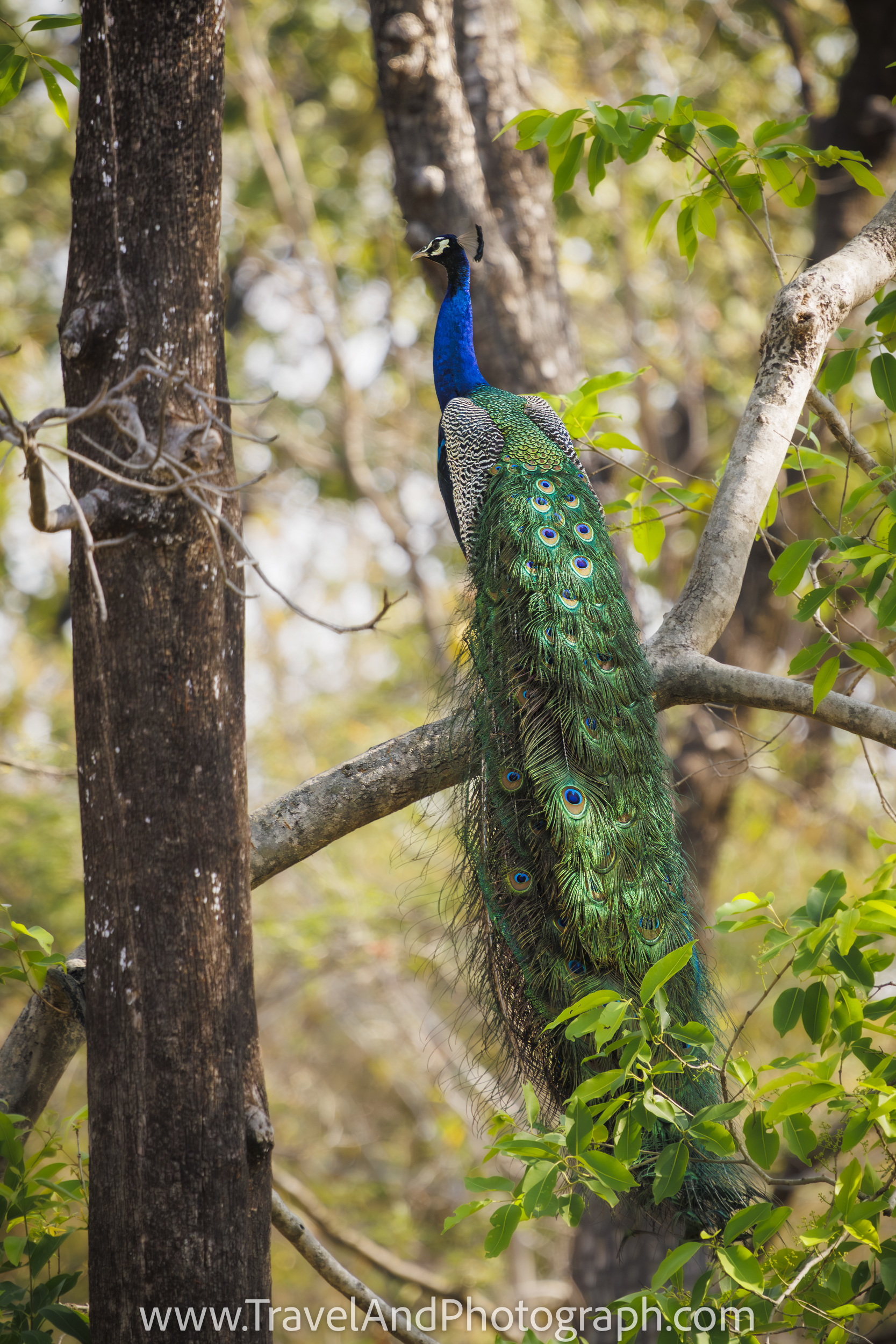
Canon R5 II + RF 70-200 2.8 IS Z + RF 2x @400mm
1/1250 | f5.6 | ISO 1250
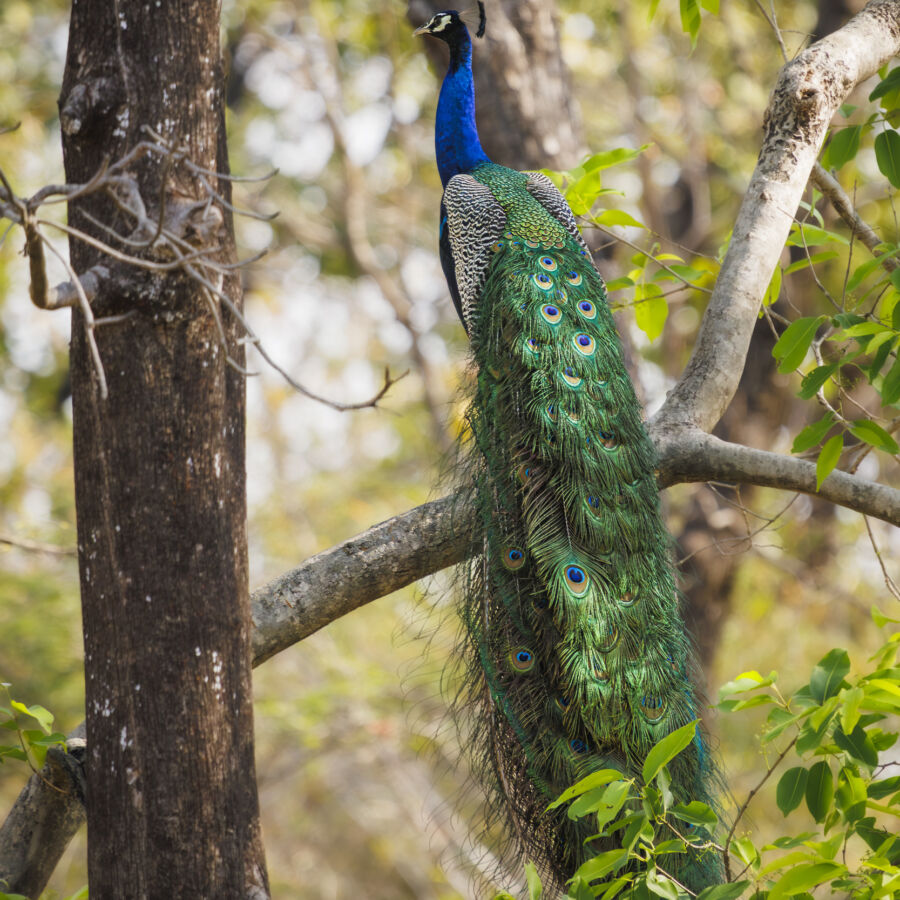
In the wilds of India, you can see peacocks in their native habitat. Here I used the full focal length of the RF 70-200 2.8 Z plus the RF 2x. The branches coming in from the upper left are distracting (it is the wild), but this photo does showcase how great the lens and teleconverter can be.
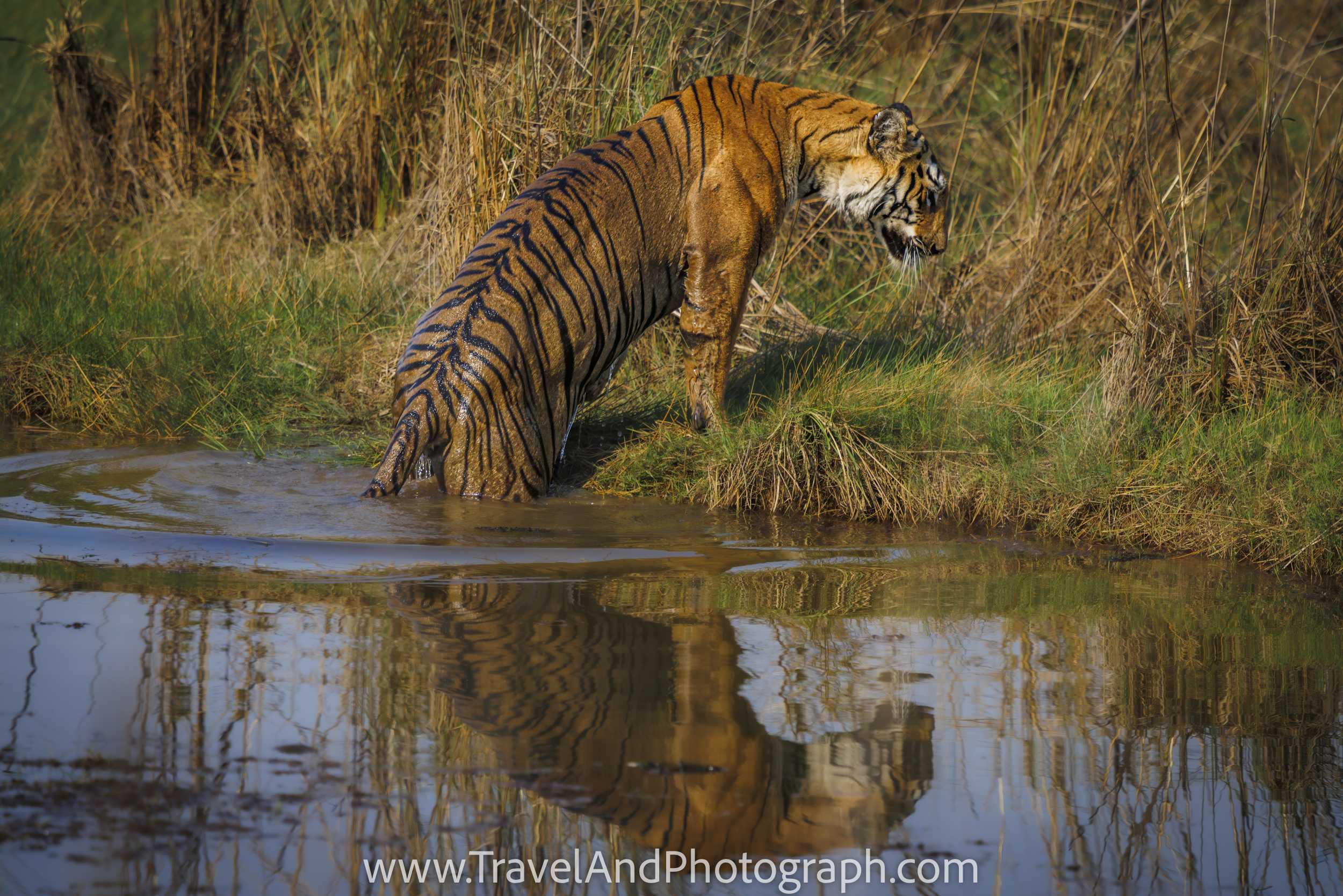
Canon R5 II + RF 70-200 2.8 IS Z + RF 2x @310mm
1/5000 | f5.6 | ISO 1250
With the 2x attached to the RF 70-200 2.8 Z, your lens becomes a 140-400mm f/5.6 - and that is a great combo without giving up too much! This tiger slept most of the day, but as the heat picked up, she would get up and back into the water, lay in the water for an hour or so, then go back to land and rest, until she got too hot again. This made a great time to text the 70-200 2.8 Z with the 1.4x and 2x. This image along with the peacock image above prove how valuable the 70-200 2.8 can be.
The Canon 70-200 2.8 VS Other Canon Options...
EF 70-200 f/4 IS - If you do not need the extra stop, then this may be a great alternative at a lower cost. It will take the EF teleconverters ( I only recommend the version III EF teleconverters) I cannot say anything bad about the 70-200 f/4. There are two versions of this lens, version I is no longer serviced by Canon.
RF 70-200 f/4 - Same as above, but the RF version is similar to the compact version of the RF 70-200 2.8, and it will not accept teleconverters. It is a current lens and serviced by Canon if you should have any issues. Used and new prices are similar to the EF 70-200 f/4 IS and the RF 70-200 f/4 IS - I would probably pick the RF version out of the two.
EF 100-400mm f/4.5-5.6 L IS II - Another iconic EF lens that is affordable. It is considerably sharp in all focal lengths and takes a 1.4x teleconverter quite well. Used this lens sells for about $1300-$1800 USD. If you feel like you would use a 2x on a 70-200 2.8, it may be wise just to buy this lens, considering the price of the EF 70-200 2.8 III plus teleconverters. There is also a version I of the EF 100-400, but I would probably avoid it as it's an outdated push-pull design and Canon no longer services, but if you find it for a crazy low price and it works and you want to take the risk - go for it!
RF 100-500mm f/4.5-7.1L IS - The RF 100-500 is one of the most popular lenses in the Canon lineup for wildlife photography. It's light and very sharp. The downsides are the max apertures. at 400mm the 100-500 is at f/6.3. The 70-200 2.8 + 2x and the above EF 100-400 are f/5.6 at 400mm. The 100-500 does get you to 500mm natively and to 720mm @ f/9 with a RF 1.4x. If you want a lens for wildlife on your mirrorless camera, that is light, no teleconverters needed, then the RF 100-500 may be the answer.
RF 200-800mm f/6.3-9 IS - The RF 200-800 is quickly becoming Canon's most popular wildlife lens for the masses. A 4x zoom, relatively lightweight for what it is, affordable (around $2100 USD) compared to other lenses that get you to 800mm. It's a slow lens in its range, but in low light it will struggle. Of course there is fantastic software available to help deal with low light and high iso (noise), so that does help. I will be soon publishing an article on the 200-800 as a wildlife lens. I have several guests who have asked "what lens should I buy" - everything comes down to goals and budget, and the 200-800 is a lens that I can highly recommend. Stay tuned for that article as it will feature client photos from India, Alaska and from my Owls and Other Creatures of Minnesota trips.
RF 100-300 2.8 IS - The RF 100-300 2.8 is a game changer, and with its release many Canon shooters were forced to reexamine their kit. This lens can do it all. Wildlife, sports, weddings and I've photographed all of those things with it. Field sports in Utah to a wedding in Colorado to gorillas in Uganda and then back to the states for wildlife in Yellowstone, I've literally done this in a two month span and the Canon RF 100-300 2.8 was with me all the way. The 100-300 2.8 is in an unusual (luxury) class of its own as its ability to take teleconverters almost flawlessly makes it an excellent lens for safari, getting you from 100mm to 600mm with and without teleconverters, or if you feel like carrying the bulk, it can compliment the 400 2.8 (the combo I took to Alaska) and/or 600 4.0 (The combo I've taken to India and Churchill). It's a lot of bulk, and it's not something that I enjoy doing, because its a lot to carry, but it's also quite the kit. In addition to the bulk of the 100-300 2.8, the cost of complimenting it with the 400 2.8/600 4.0 is a hurdle for many. The price (and size) difference between the Canon RF 70-200 2.8 and the RF 100-300 2.8 is over $7000 USD. That difference is a chunk of money that could be used towards a nice trip somewhere amazing for photos. I do own this lens and love it, I even have an award winning photo from my Uganda trip of a shoebill stork: Audubon Society Top 100 Bird Photos for 2025, but at times it along side a 400 2.8 or 600 4.0 its a bit much and a lot to handle when the action picks up.
Something to remember: EF lenses will fit EF mount cameras, these cameras will have the letter "D" in the name, such as 5D IV, 1DX III, 7D. Mirrorless Cameras are designated with the letter "R" - R100, R5, R1, R3, R7, etc. RF lenses are specifically made for R series mirrorless cameras. RF lenses will not fit DSLR cameras such as the 5D IV, 7D, 1DX, 90D. EF lenses will fit R series mirrorless cameras with the EF-RF adapter and most of them will work flawlessly!
What Would Jason Do?
Everything comes down to budget, amount of use and need. In my opinion, a 70-200 2.8 lens is viable and important piece of gear to have your in kit, even for wildlife. Add extension tubes to your lens, and now you have a capable macro lens. Have kids or grand kids, now you have a fantastic option to photograph them as they grow through life. The 70-200 2.8 focal length is so versatile for most things that us photographers will want to capture., the 2.8 aperture makes it even better. I have have been enjoying the RF 70-200 2.8 Z lens, more than I thought and the images I have captured with it, and the compatibility of it to take teleconverters makes it my first choice. If you don't care about using teleconverters then get the RF 70-200 2.8 (non Z). This difference in sharpness is minimal, and only those who view photos at 200% will notice, in other words, anal photographers who pick apart everything. If budget is a thing then go with an EF version that Canon currently services, either the EF 70-200 2.8 IS III or EF 70-200 4.0 II, depending on your budget. If you own a super telephoto lens such as the 400 2.8, 600 4.0, 800 5.6, etc, and want something shorter to capture more environmental photographers or when an animal gets close, I would also highly suggest the RF 70-200 2.8 IS Z, due to its ability to take teleconverters. I have several trips that I am leading and the 70-200 2.8 Z will be accompanying me on those trips.
What about the EF 100-400 or RF 100-500 or 200-800? Get one of these if you do not want to travel with a big lens and want a lens that can cover a lot of focal length. These are basically all-in-one solutions. The penalty is the aperture, and this can be an issue in low light, but there is no one do all perfect lens, not even lenses that have a max aperture at f/2.8. A big debate online is the 100-500 vs 200-800. I will be addressing this, and more specifically the 200-800mm in a future article.
What about the RF 100-300 2.8? If you have the funds, go for it. If sports is your main thing, this is a lens to consider - I can photograph 95% of a soccer game with just the RF 100-300 2.8. You can pair this lens with a 24-70 or 24-105 and cover just about anything. Throw either teleconverter on the 100-300 2.8 and you have a viable option at 200-600mm @f/5.6. Price is a big hurdle. Size is a hurdle too if you plan to travel with another large lens. I have captured many amazing wildlife photographs with the RF 100-300 2.8 that will be featured in an upcoming article.
Looking to buy new camera gear? I have a great partnership with several retailers bringing customers new, USA model gear from authorized retailers. Canon, Sony, Nikon, etc. If you are looking for something send me a message via email!
Want to see more? Check out the photo galleries below:
Canon EF 70-200 2.8 IS II
Wildlife Photos Taken With the EF 70-200 2.8 IS II
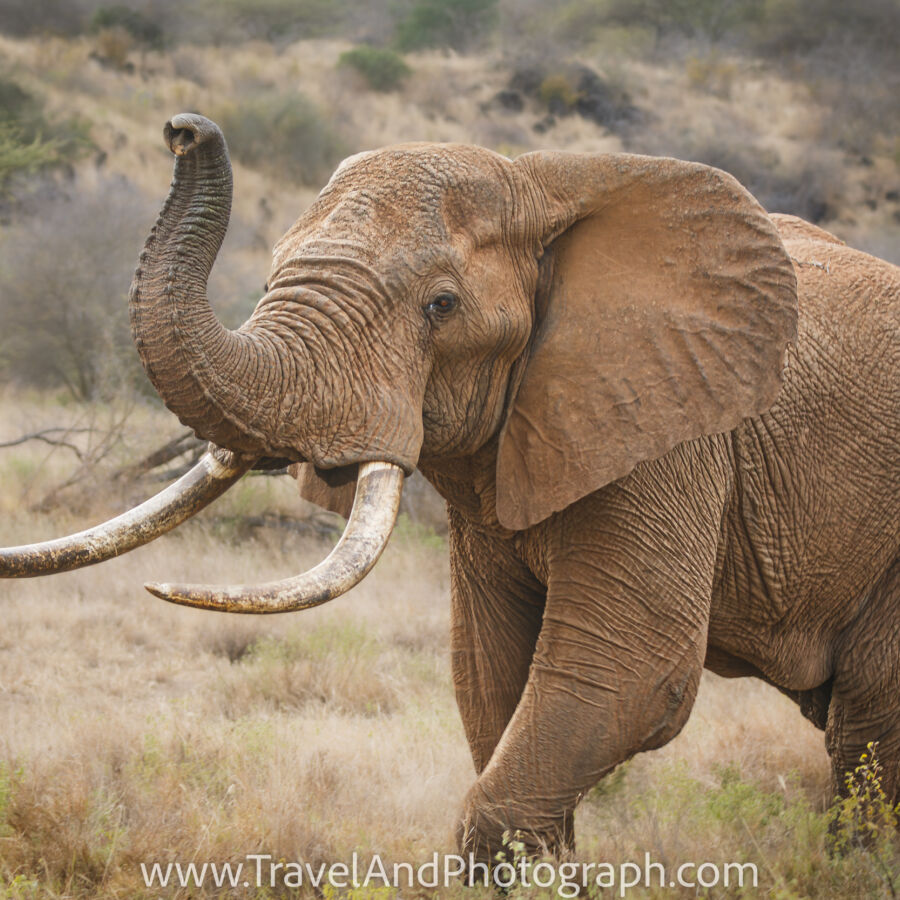
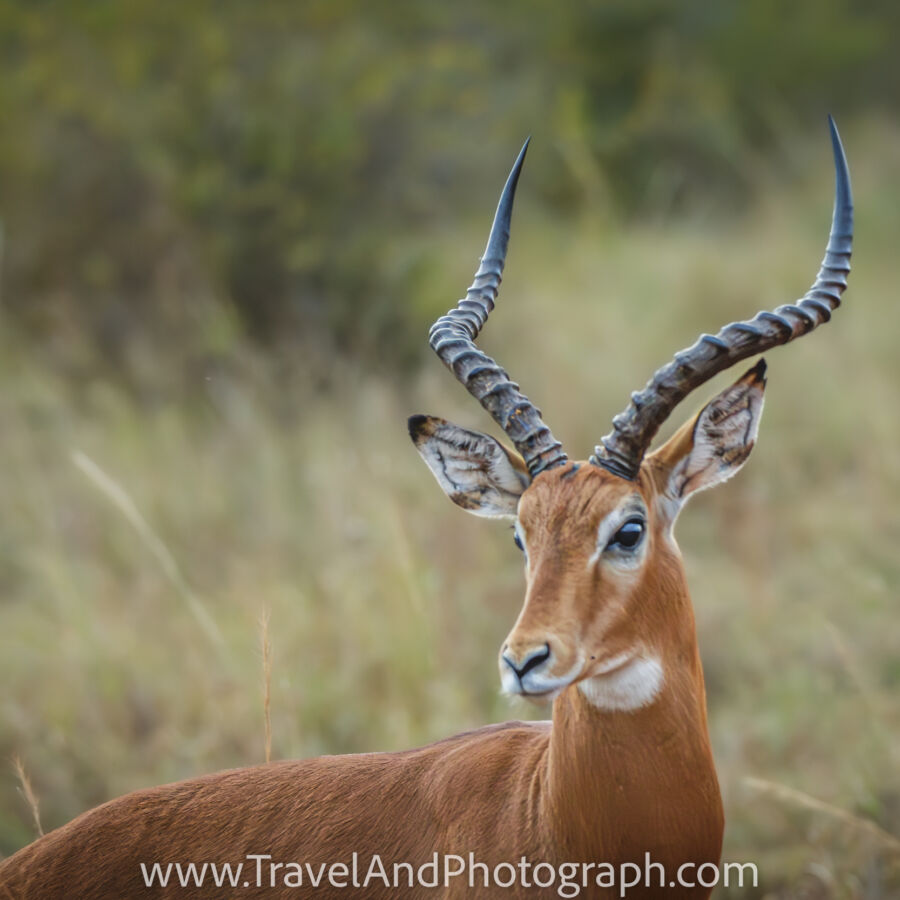
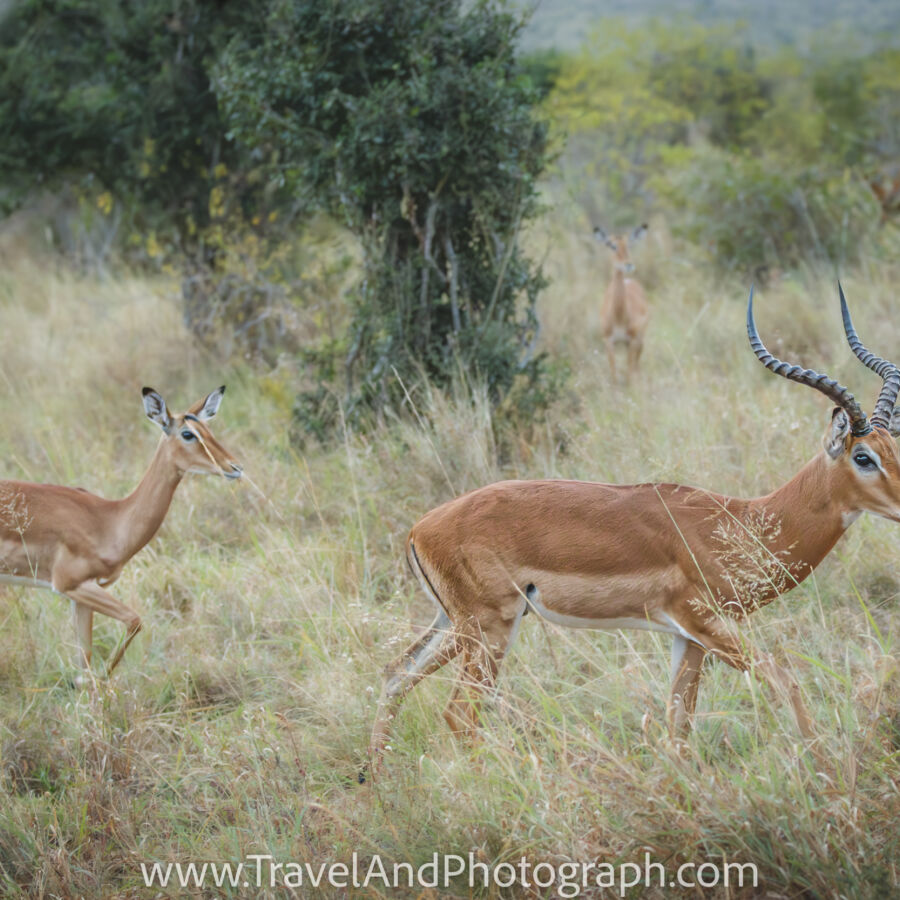
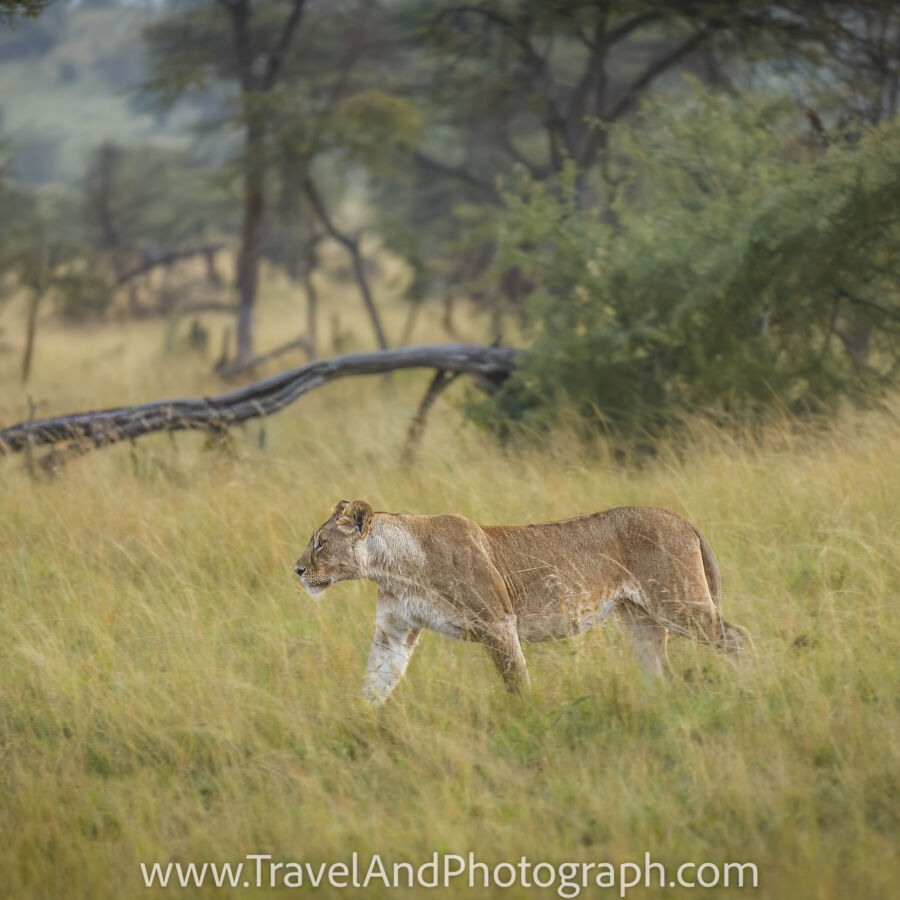
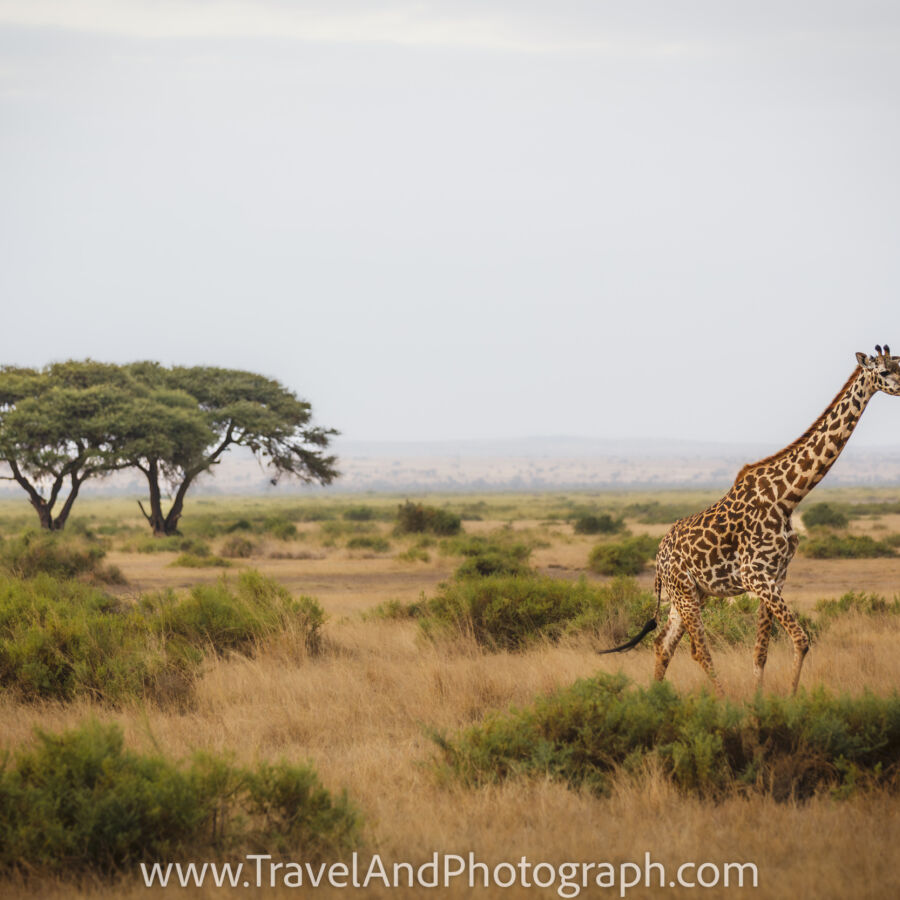
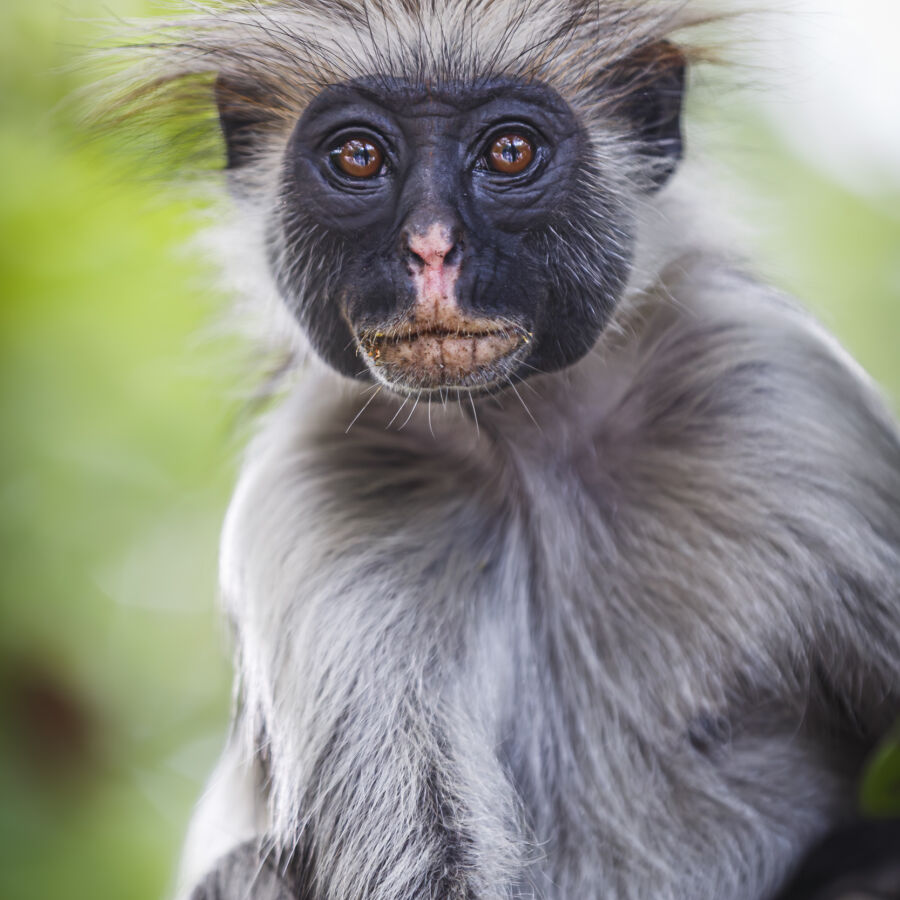
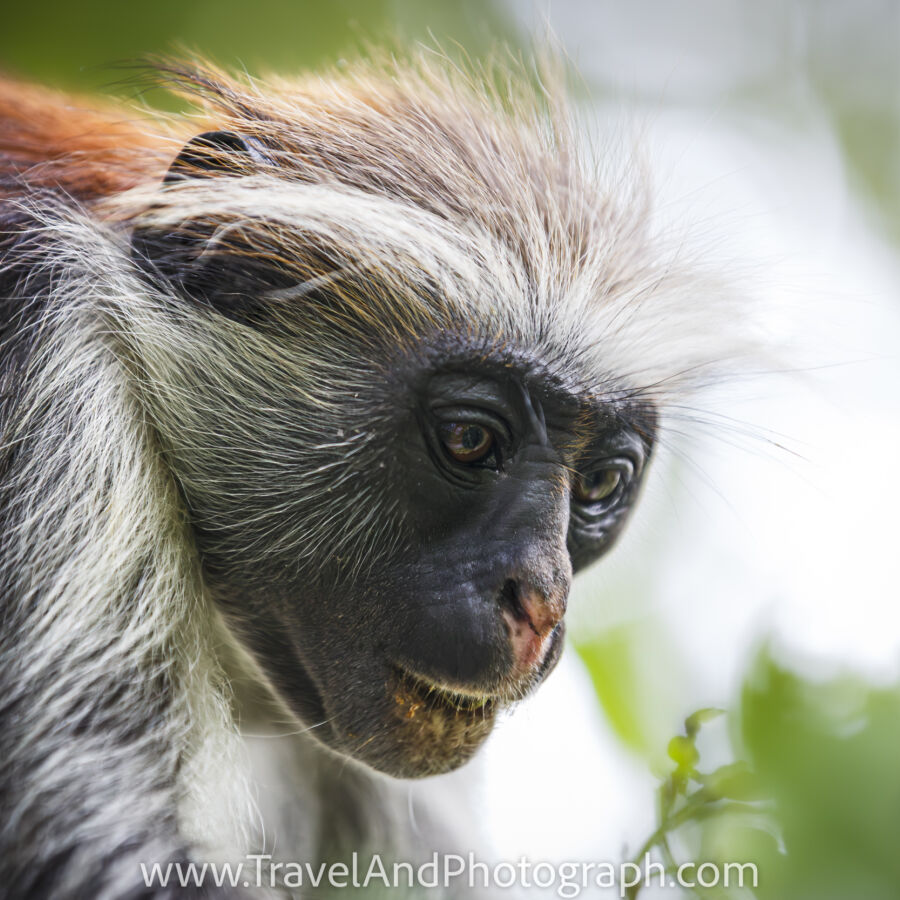
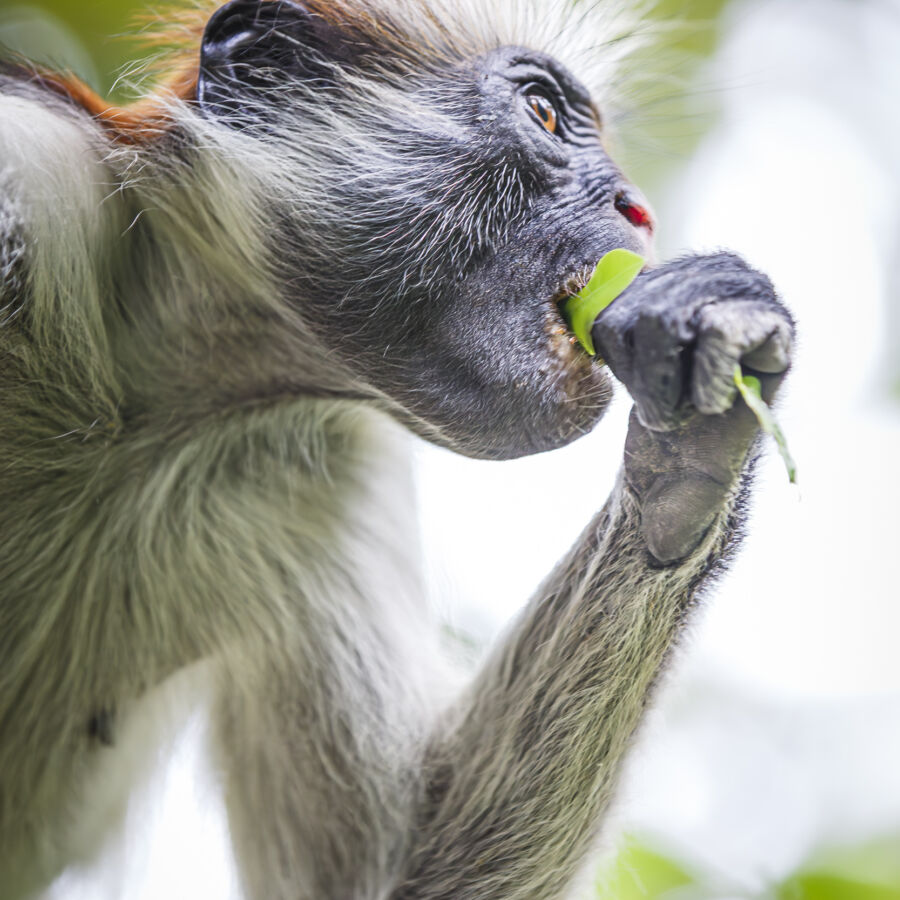
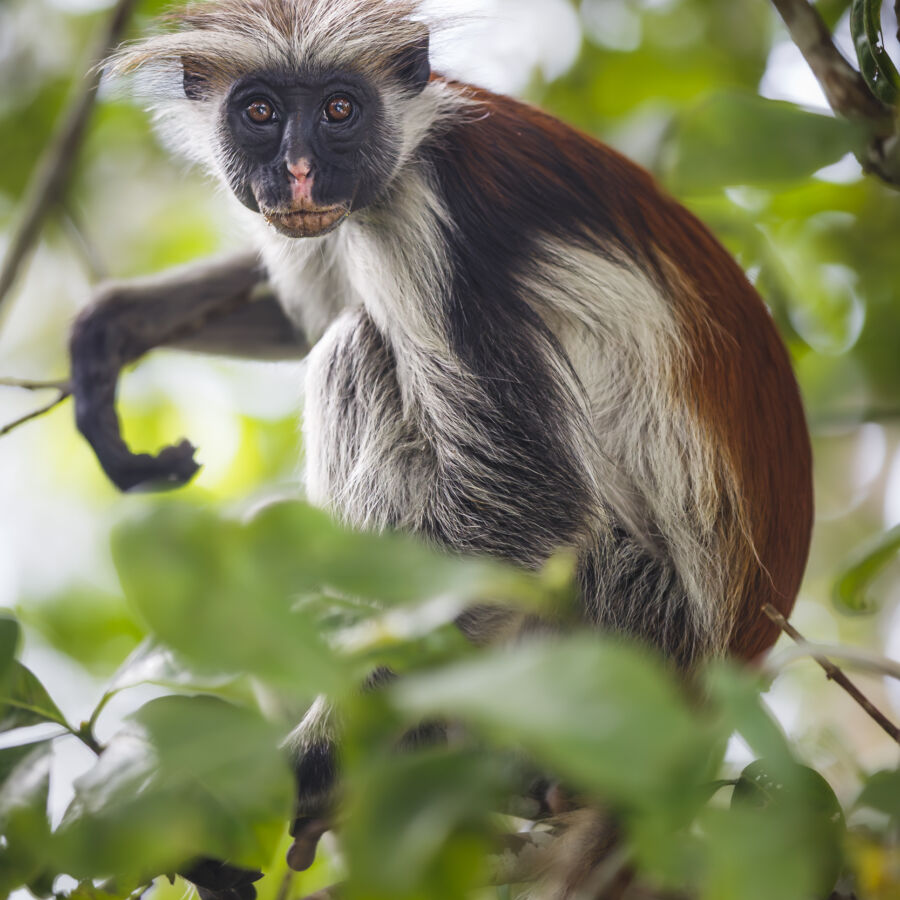
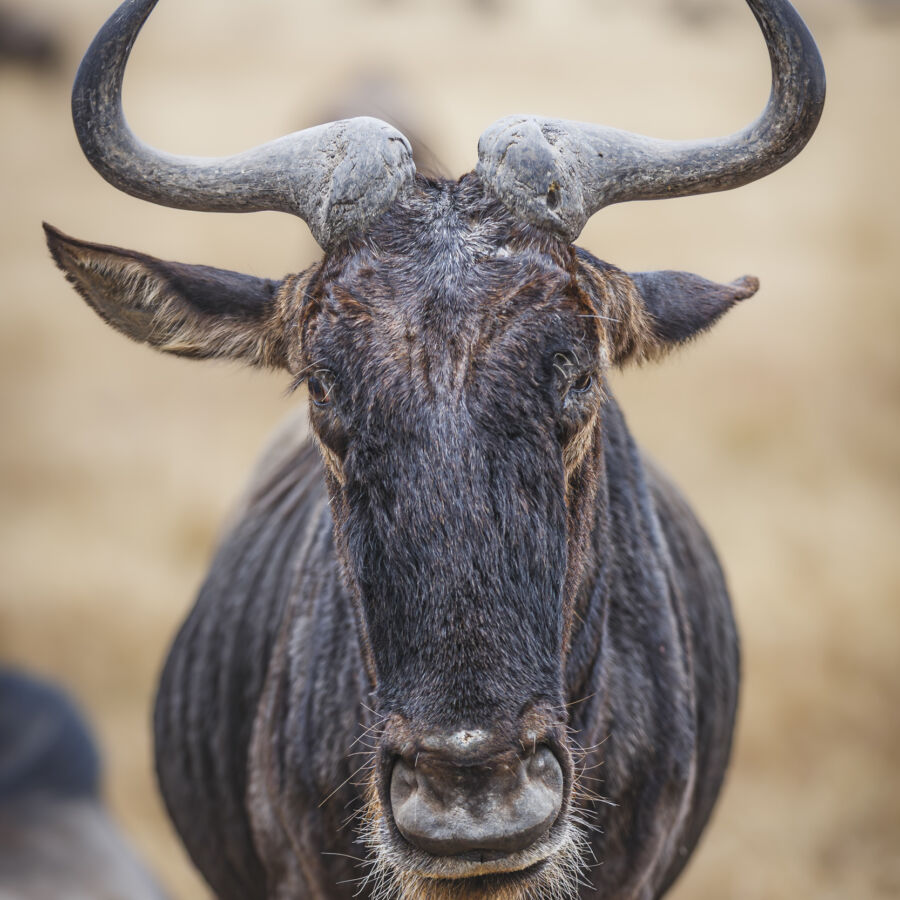
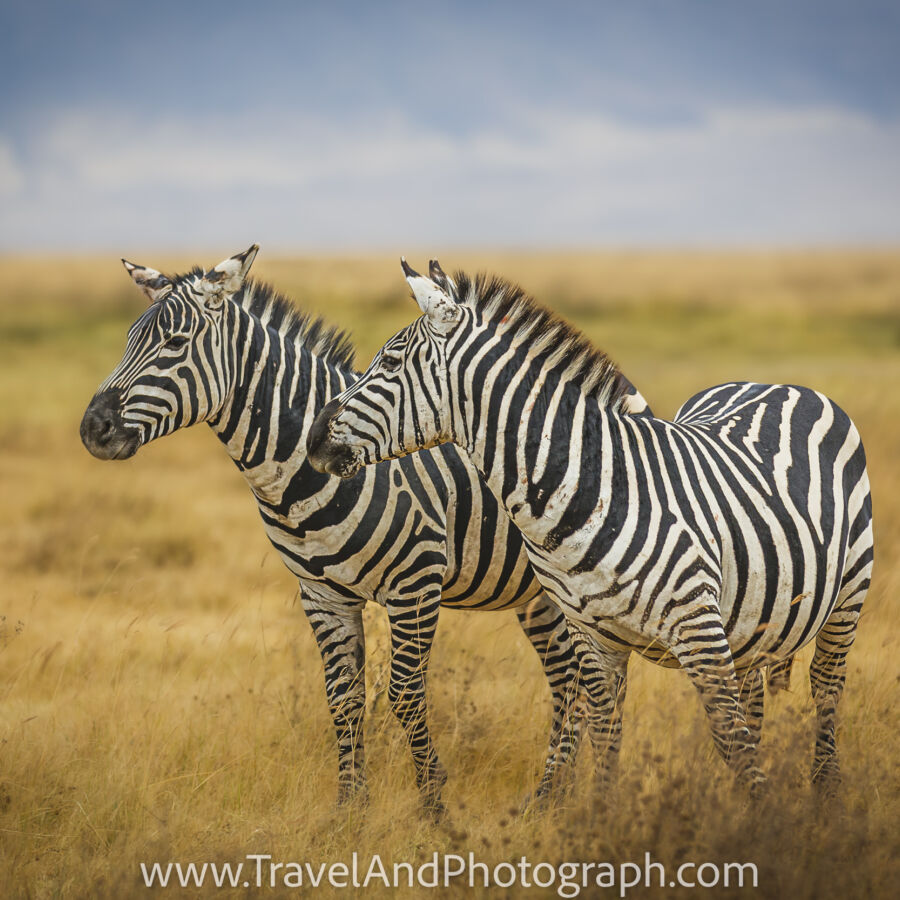
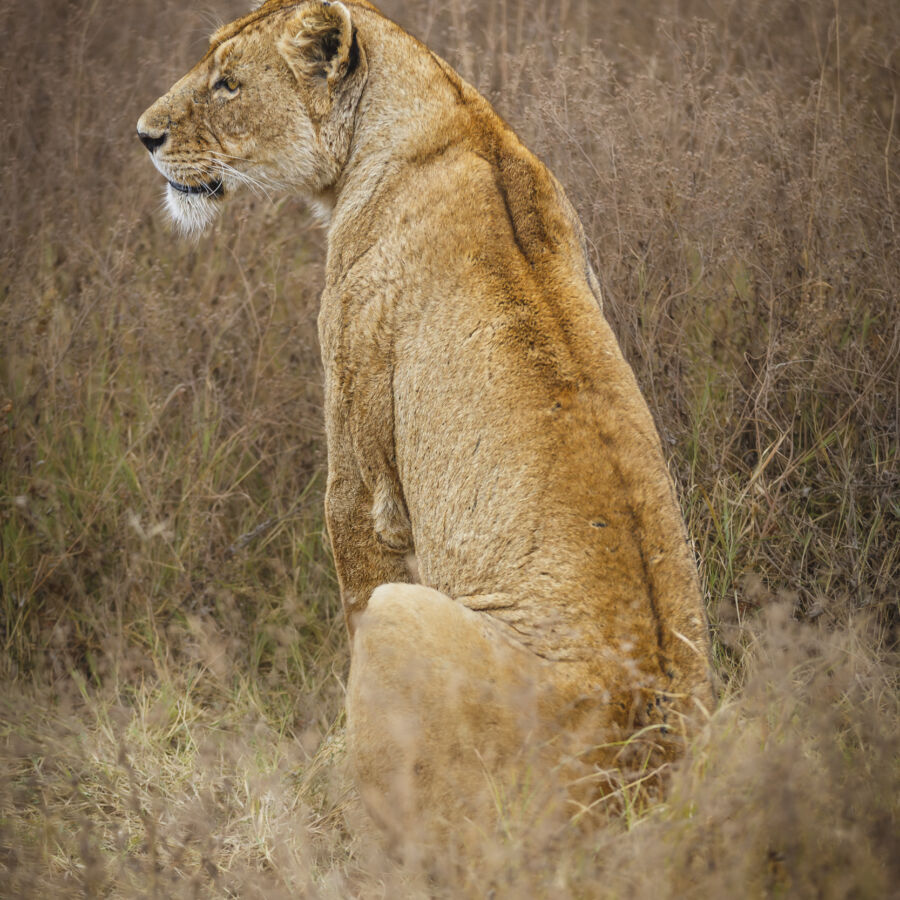
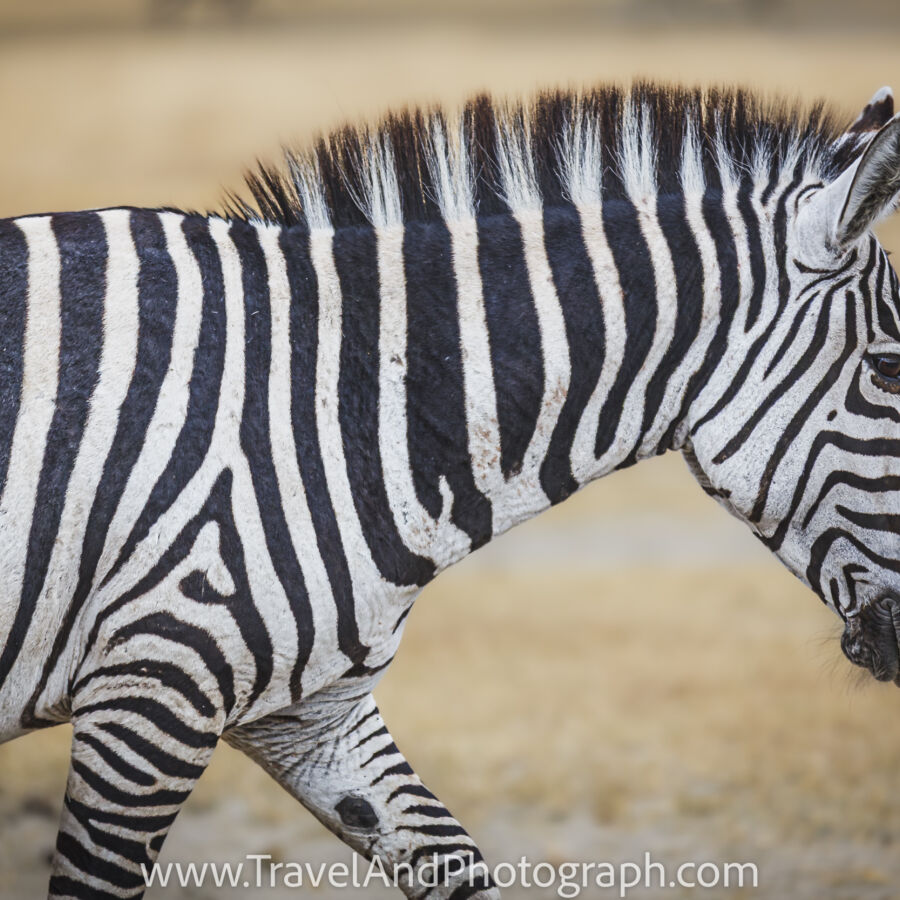
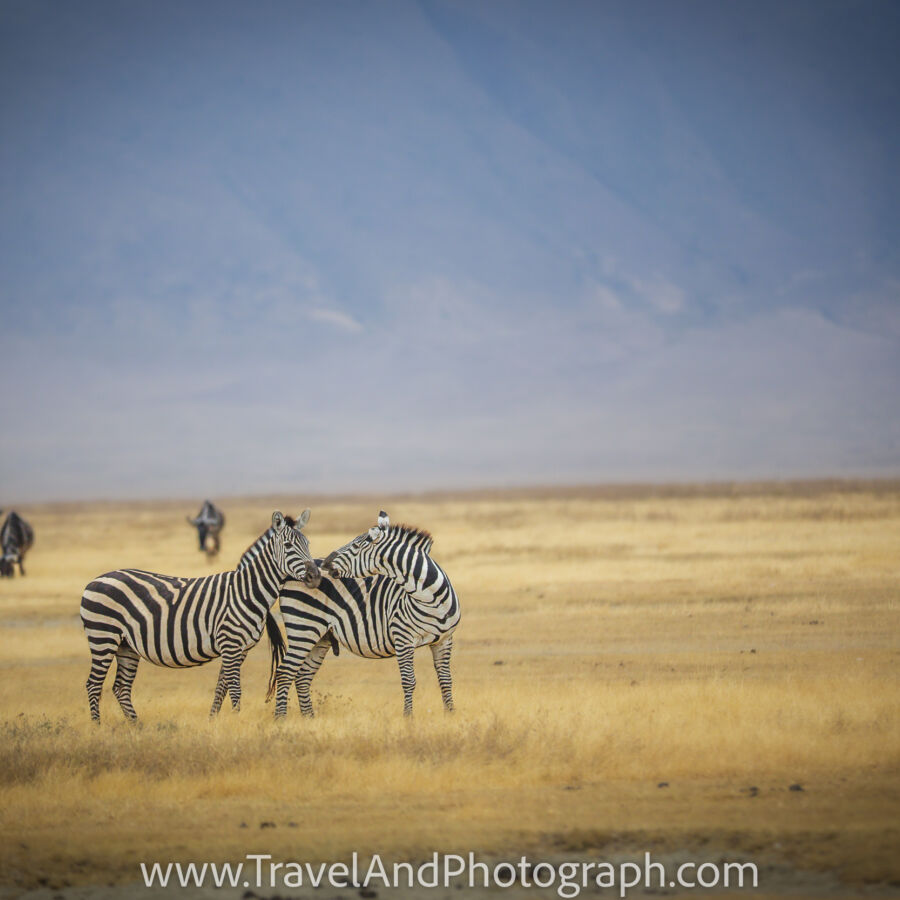
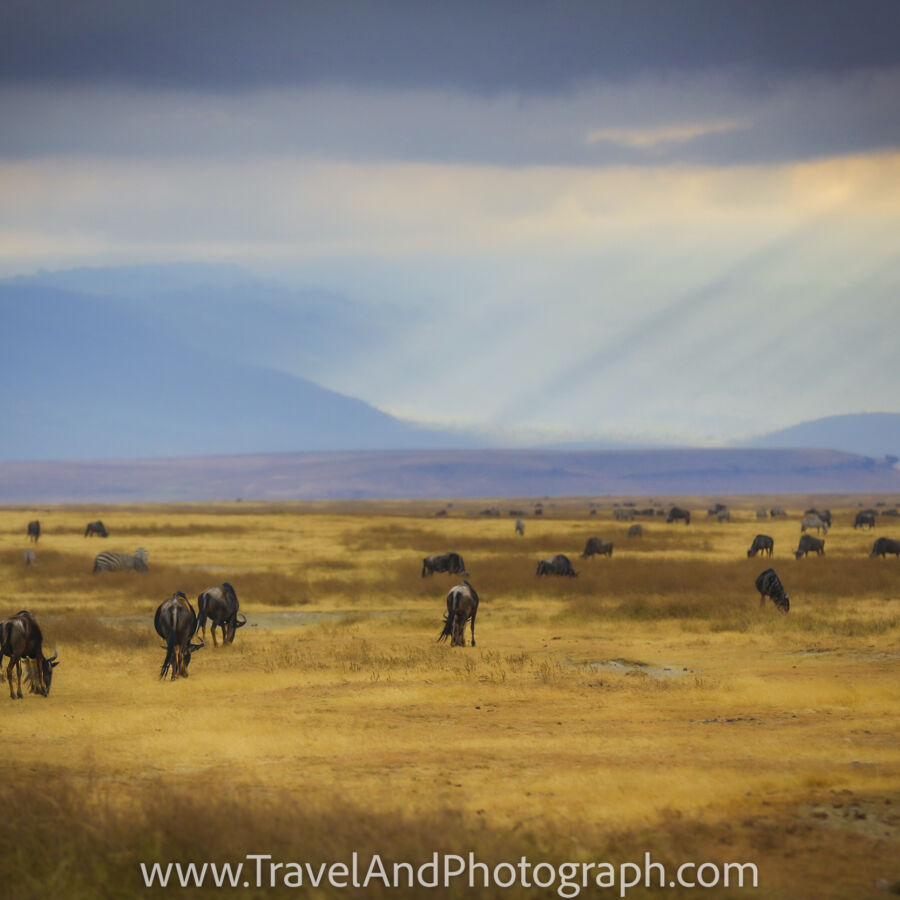
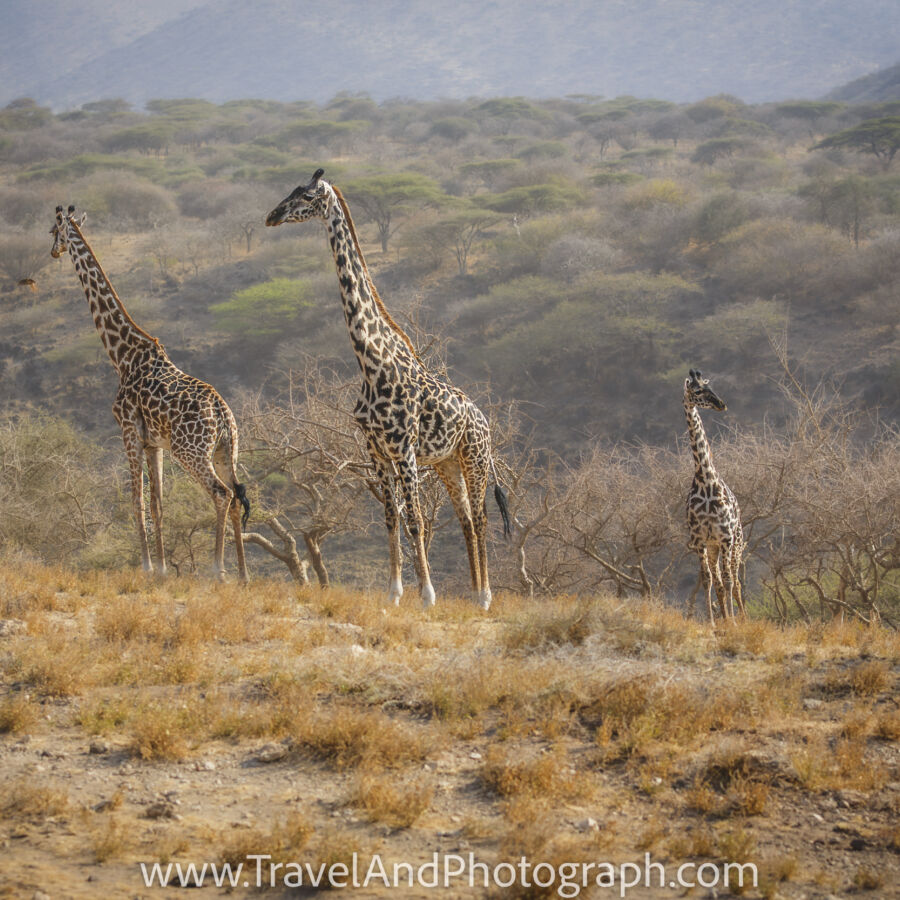
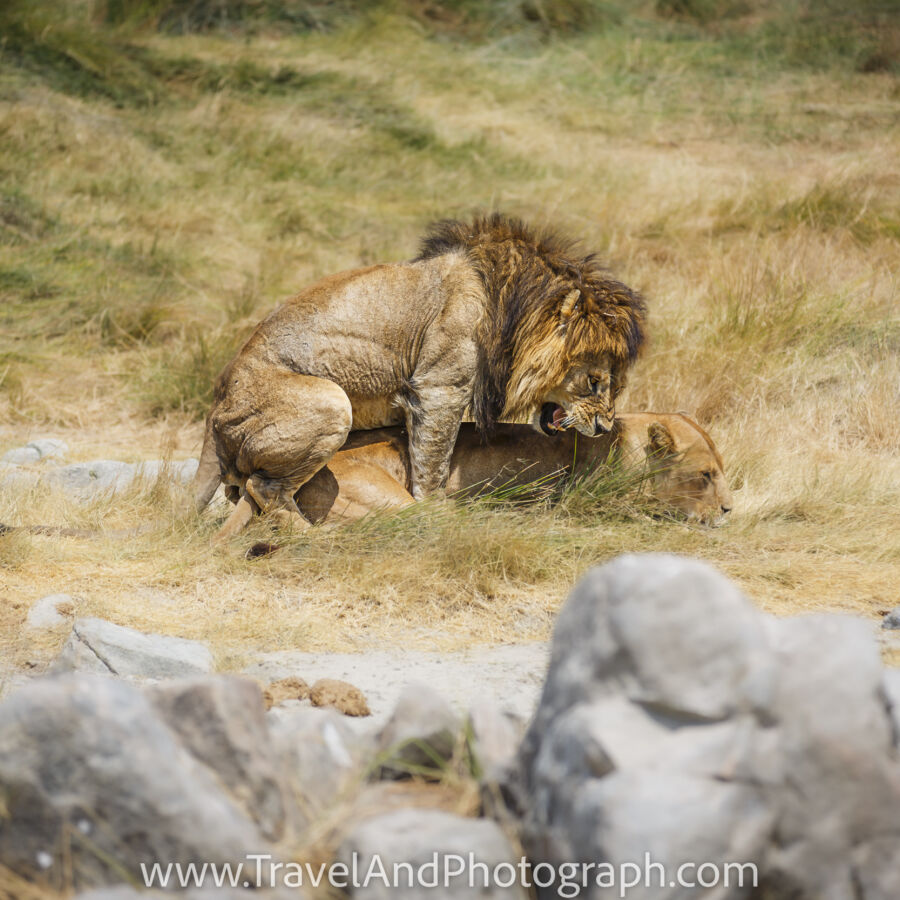
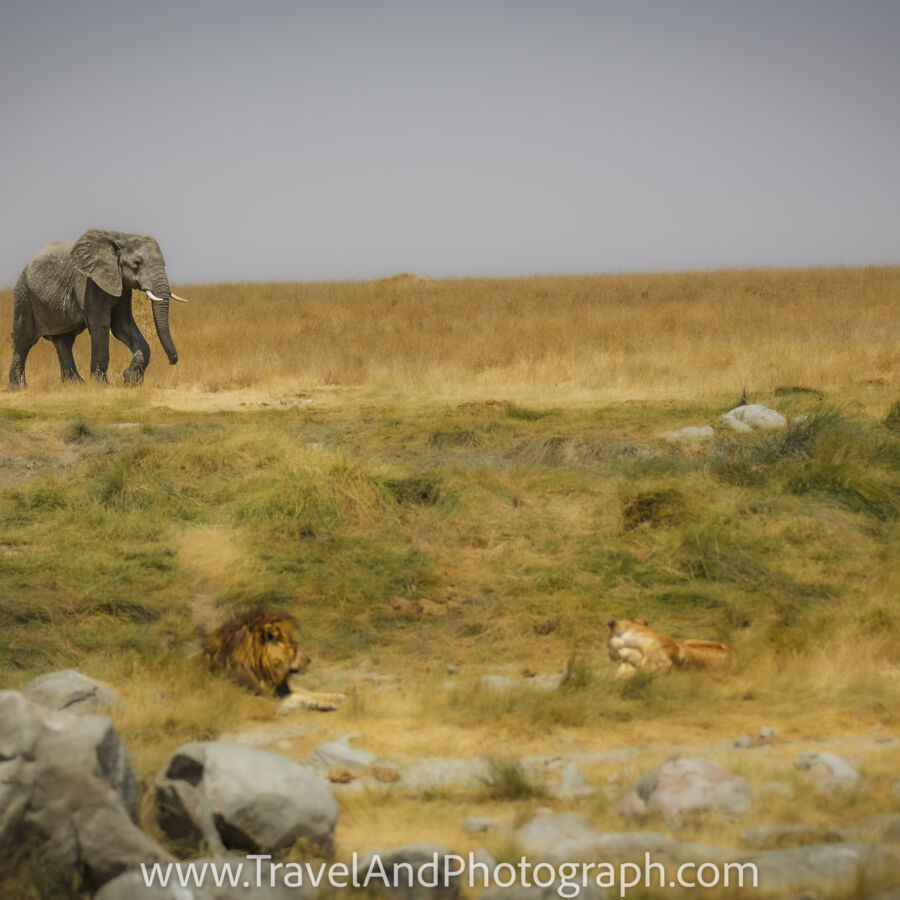
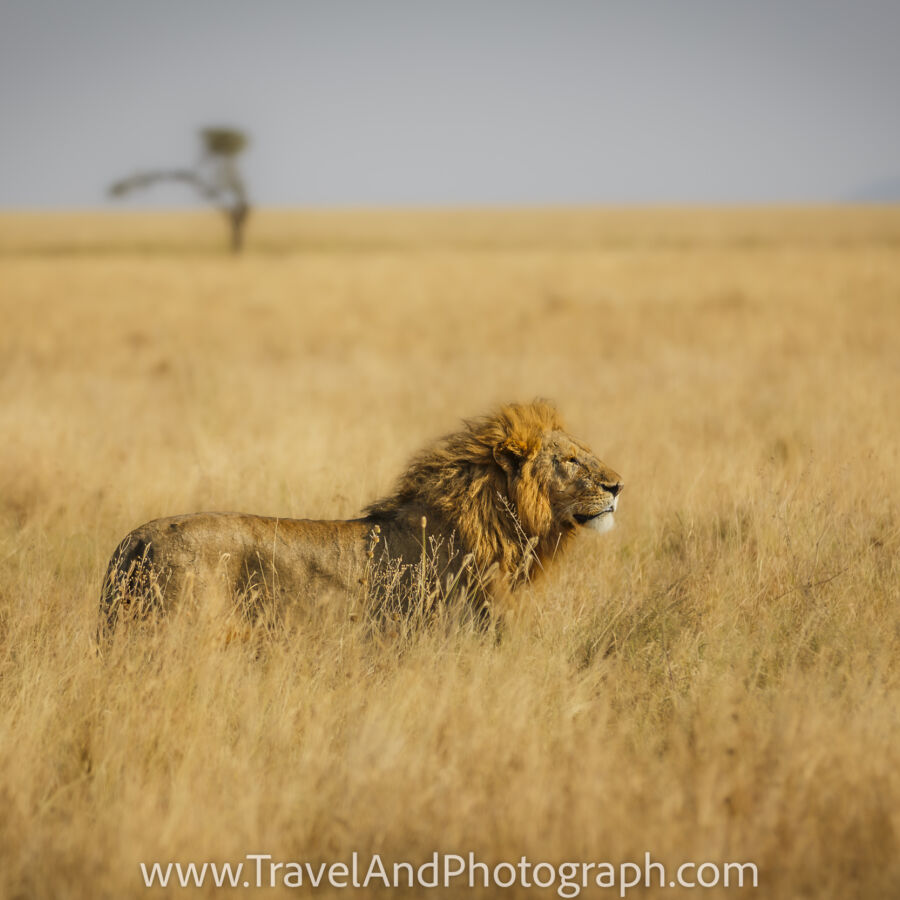
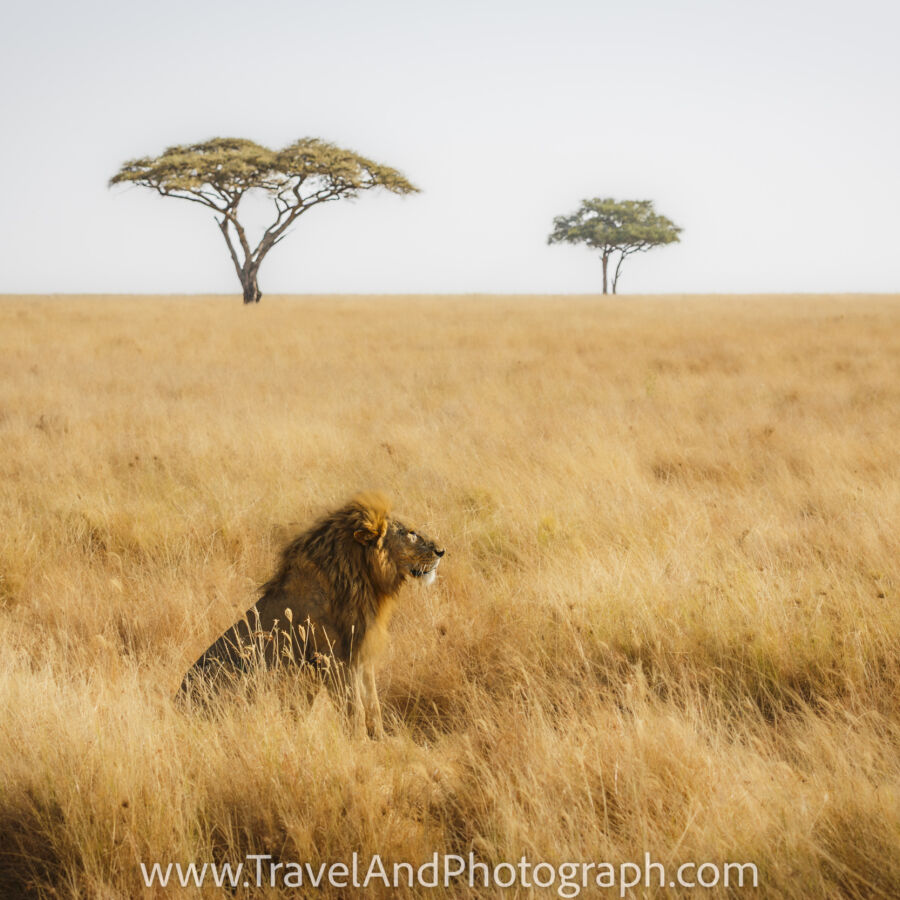
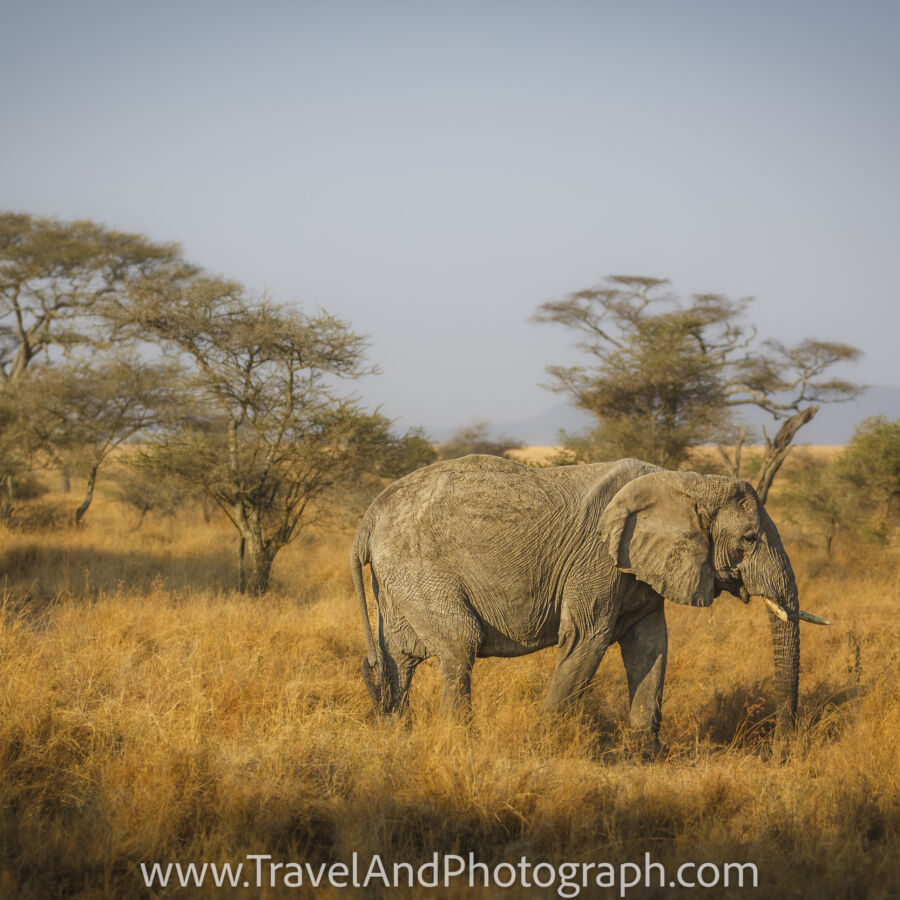
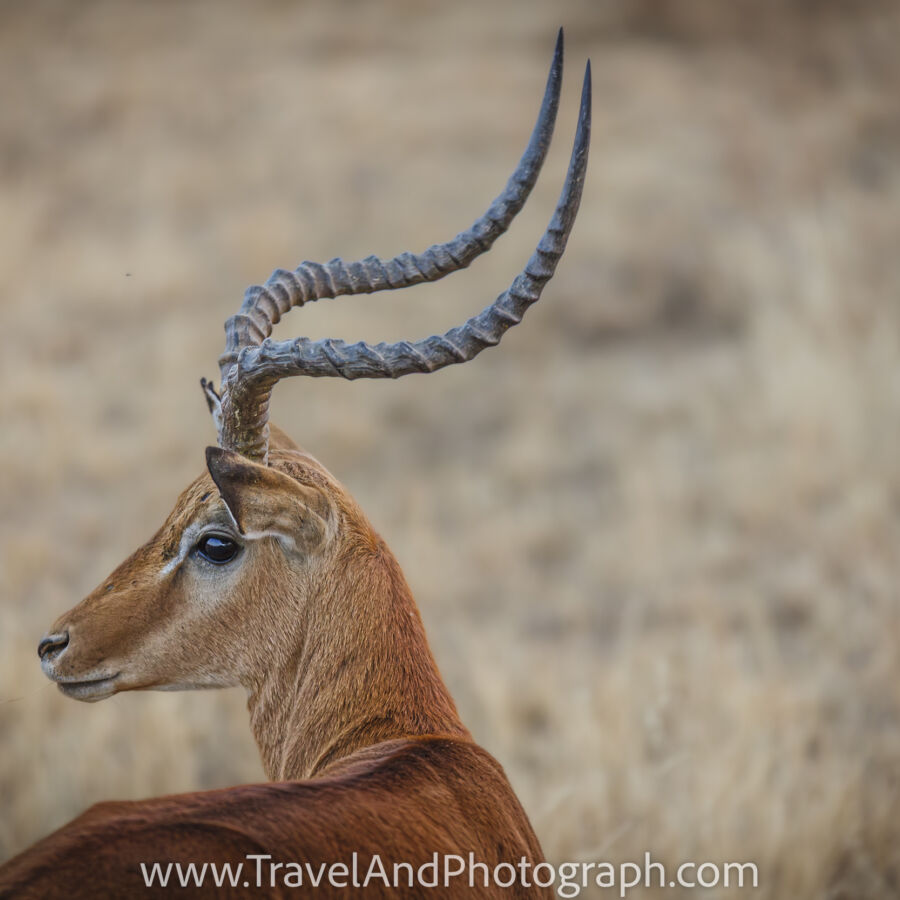
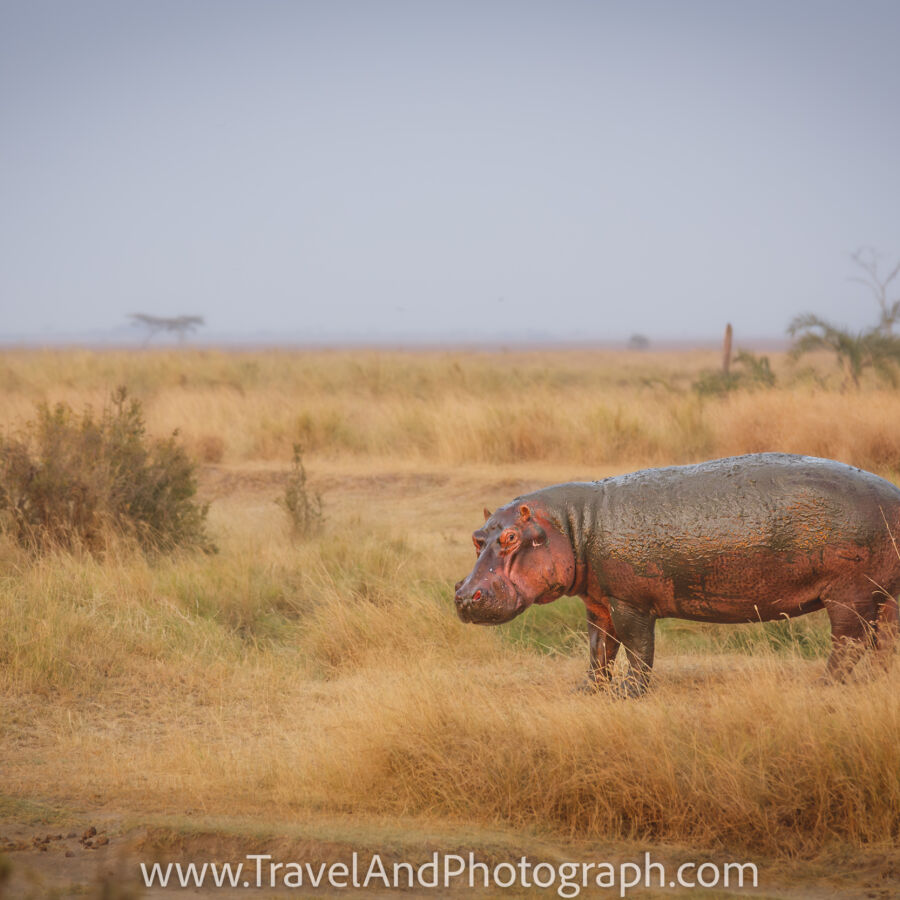
Canon EF 70-200 2.8 IS II Gallery
Canon EF 70-200 2.8 IS II + EF 1.4x III
Wildlife Photos Taken With the EF 70-200 2.8 IS III + EF 1.4x III
Canon EF 70-200 2.8 IS II
Canon RF 70-200 2.8 (Non-Z)
Wildlife Photos Taken with the Canon RF 70-200 2.8 (Non-Z)
Canon RF 70-200 2.8 (Non-Z)
Canon RF 70-200 2.8 Z
Wildlife Photos Taken with the Canon RF 70-200 2.8 Z
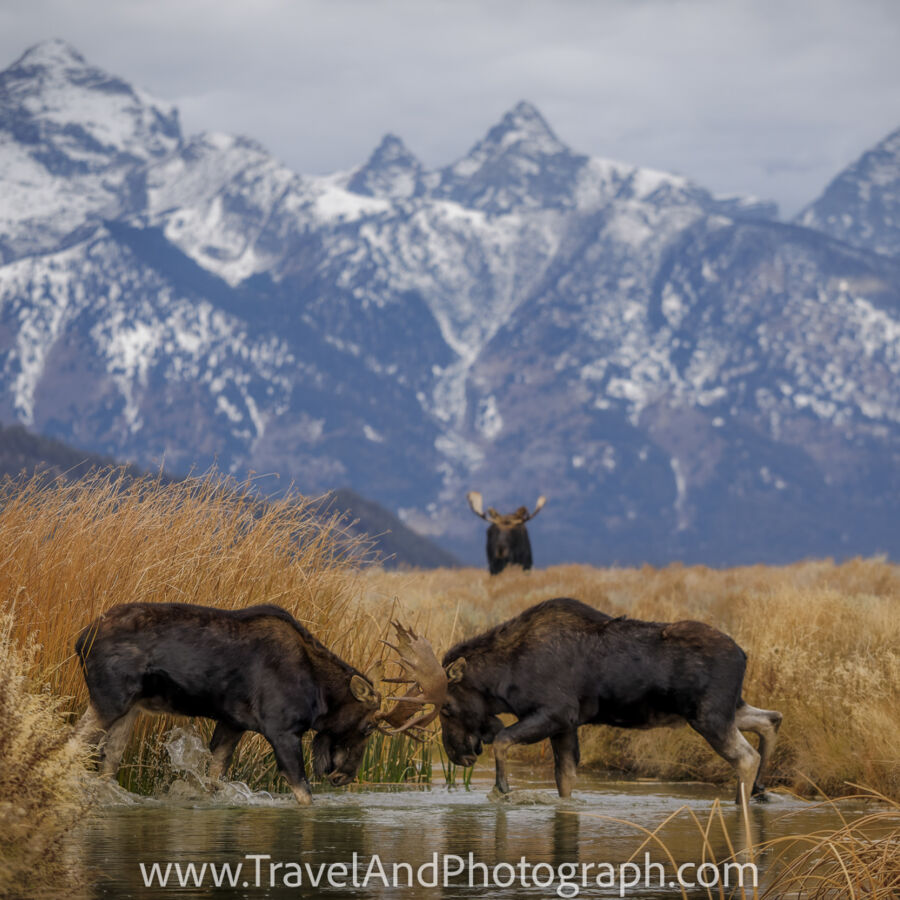
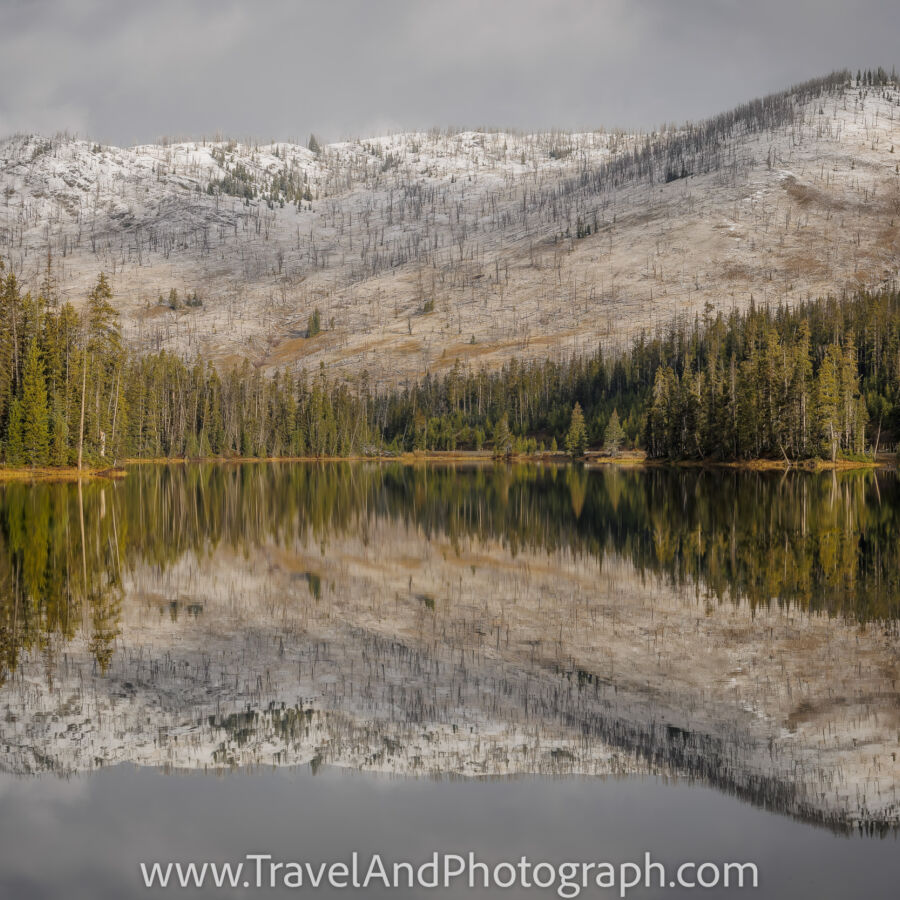
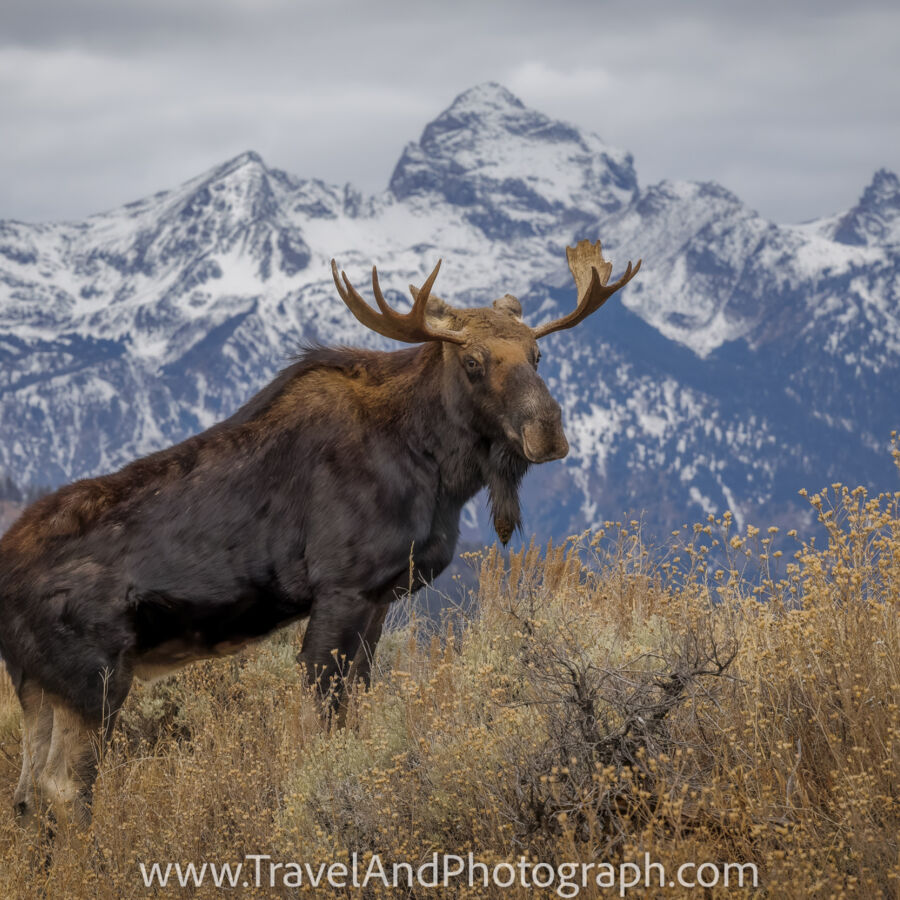
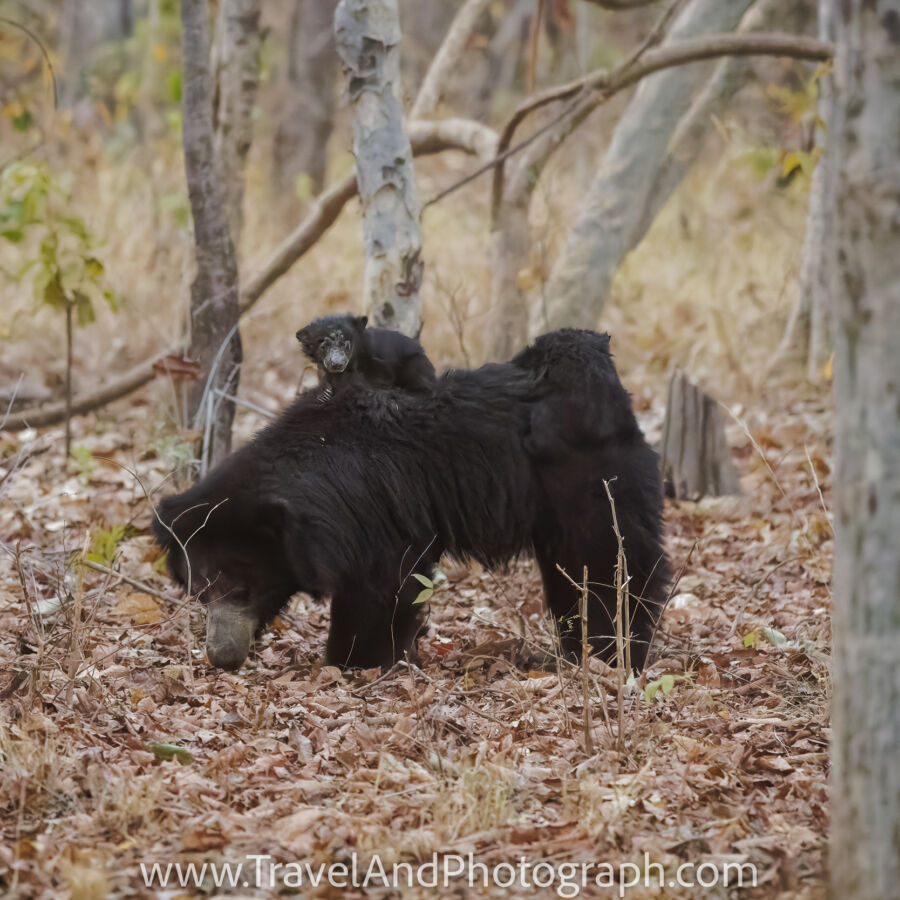
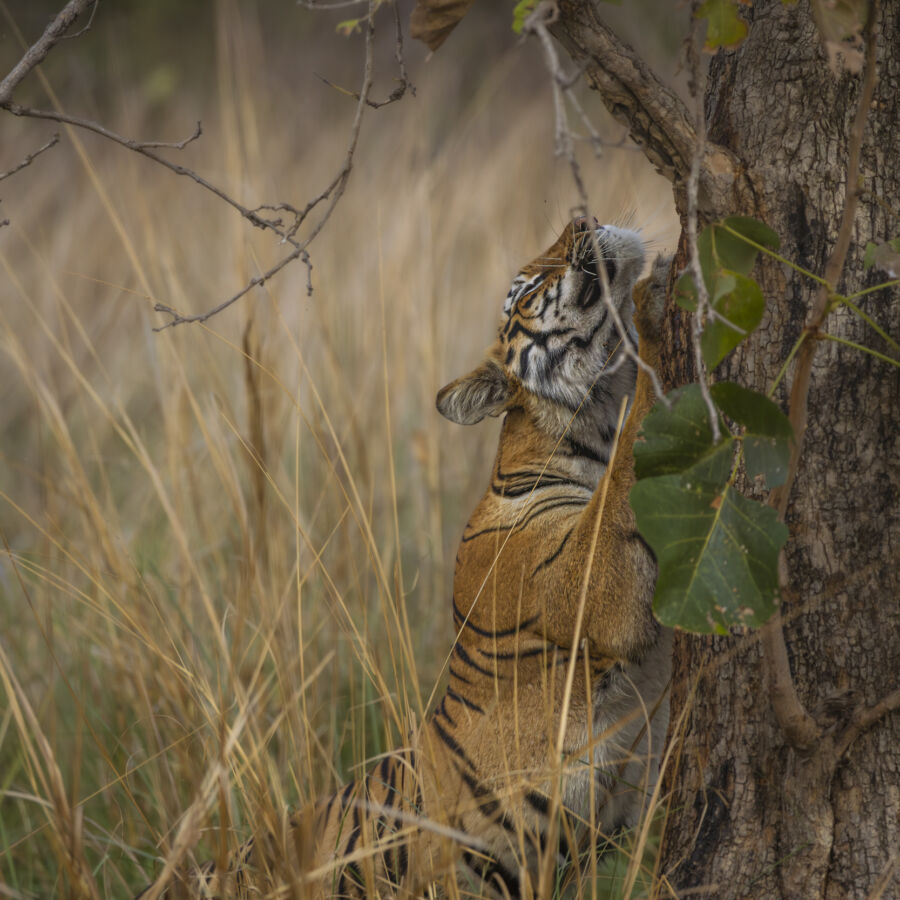
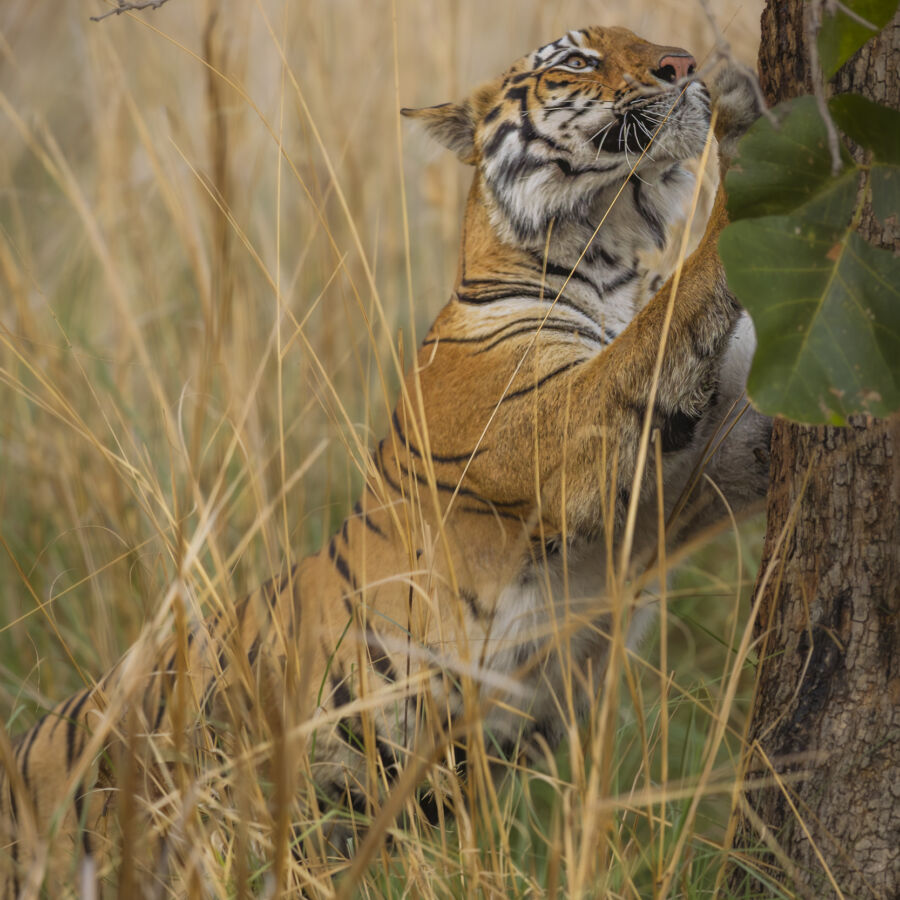
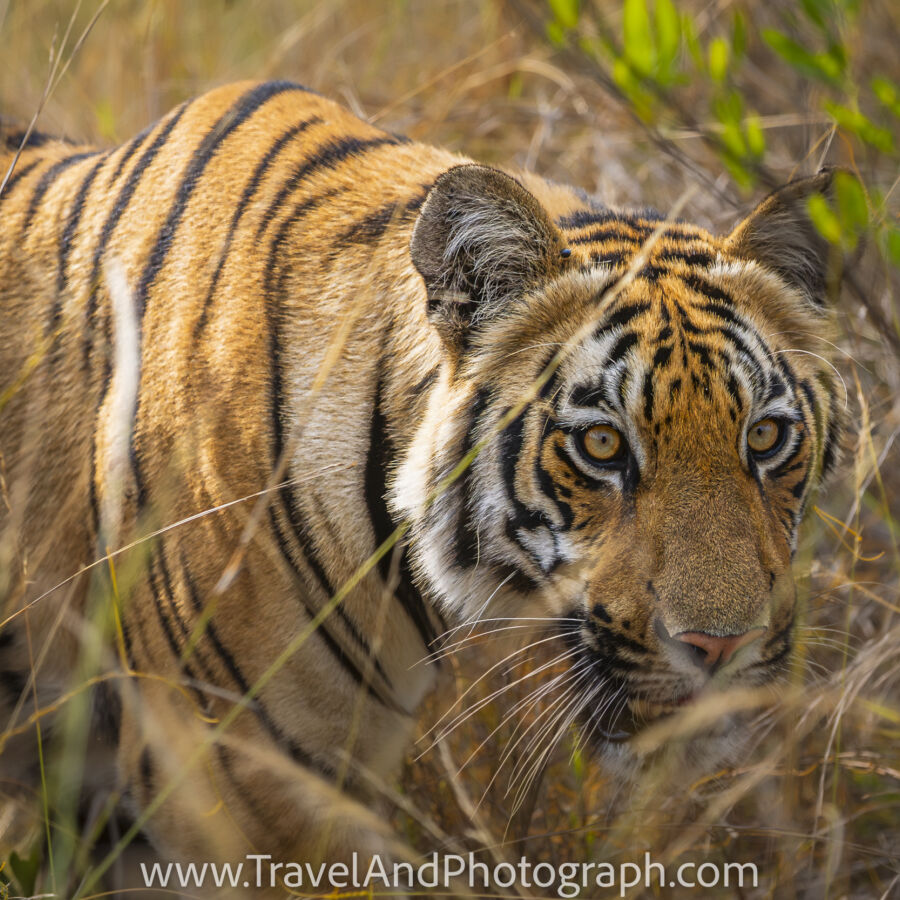
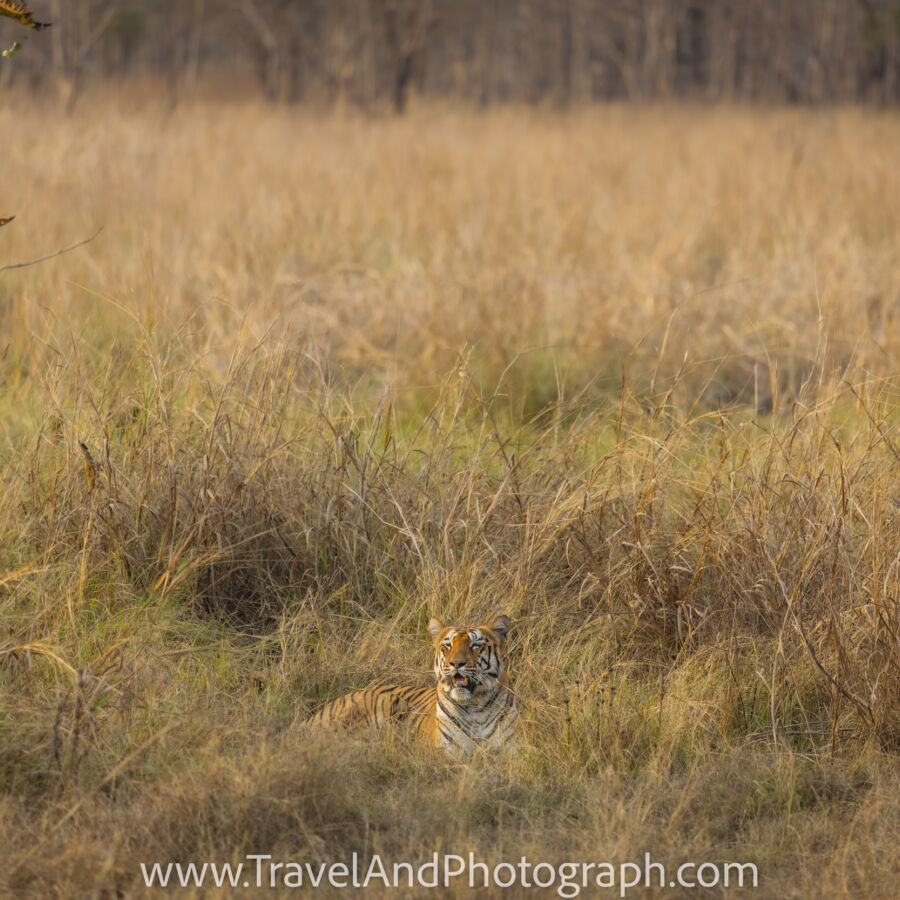
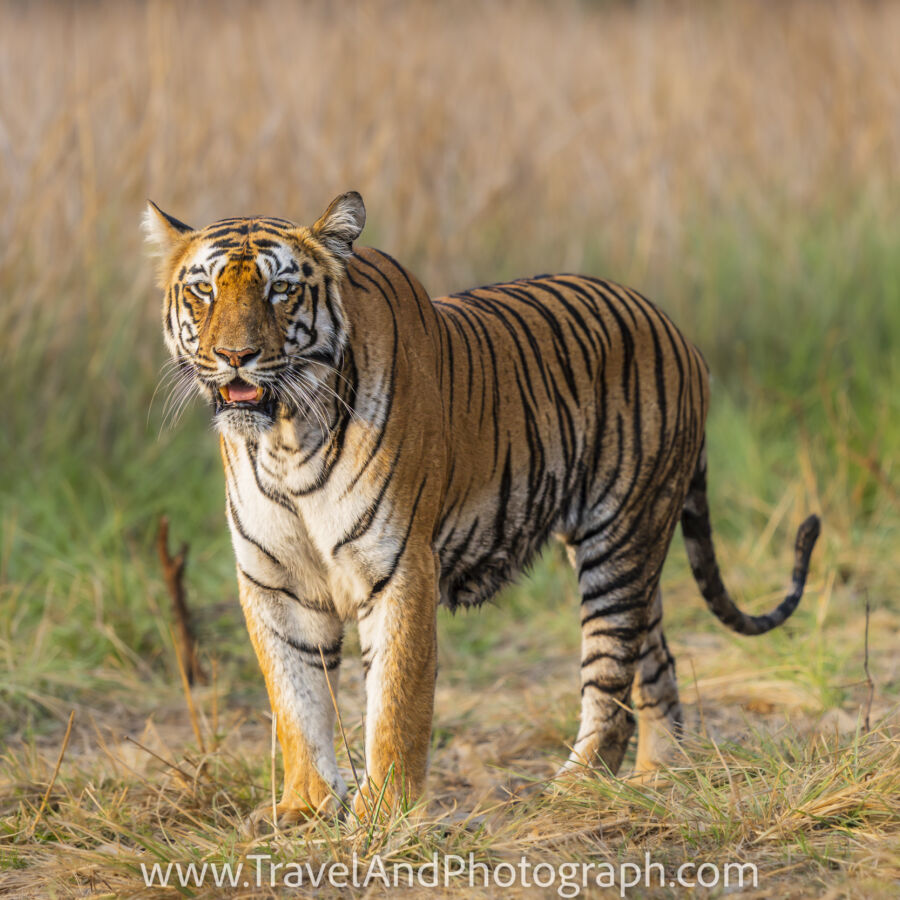
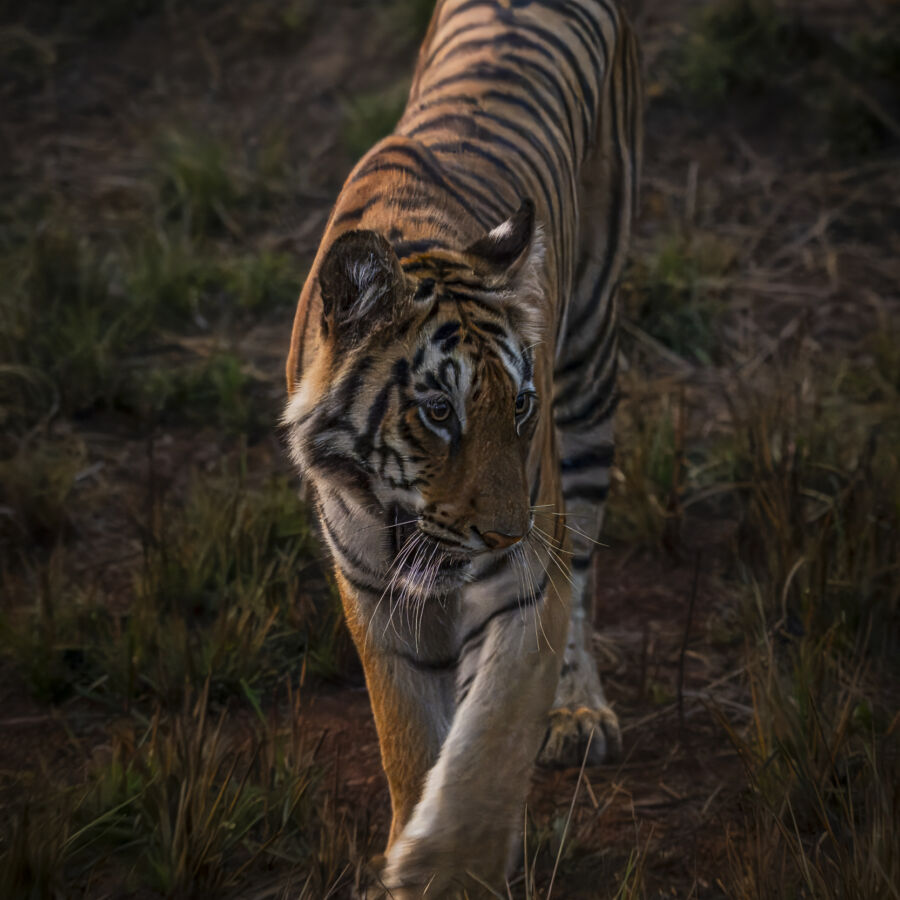
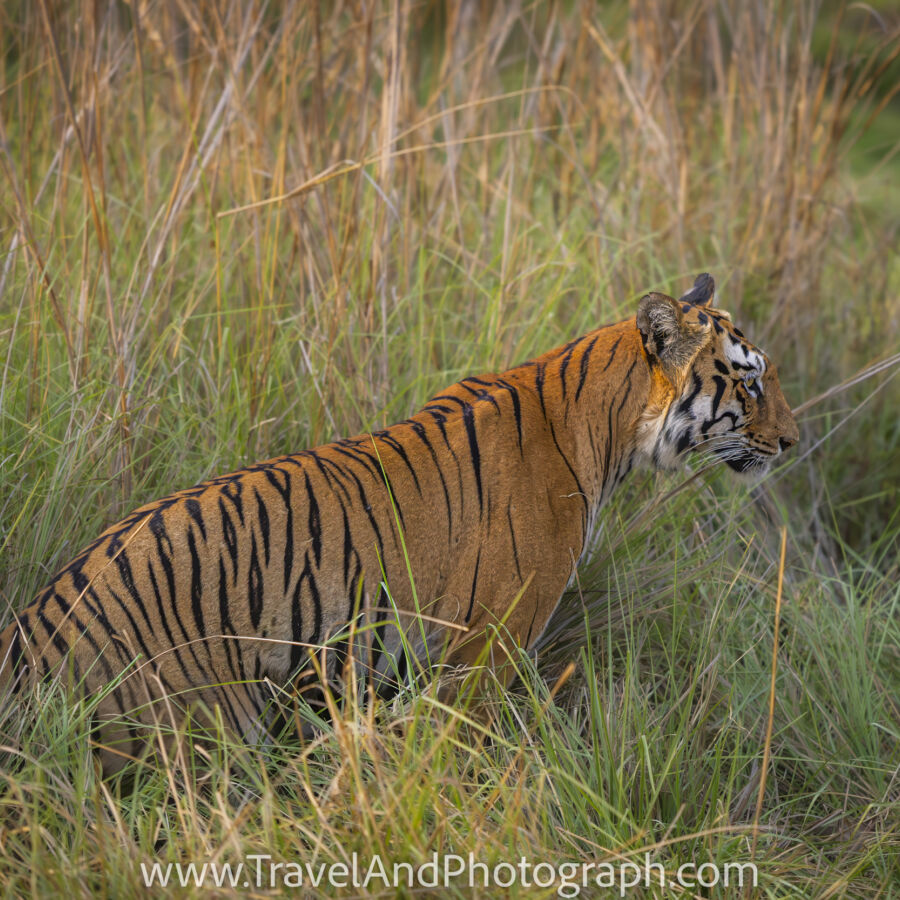
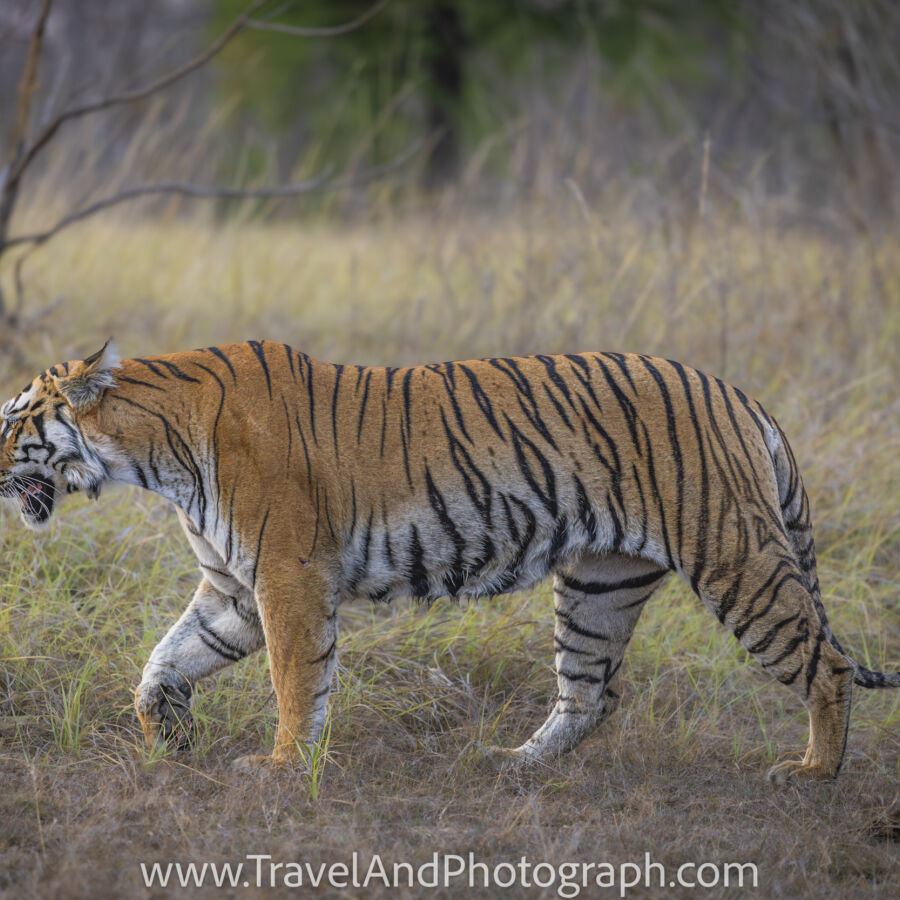
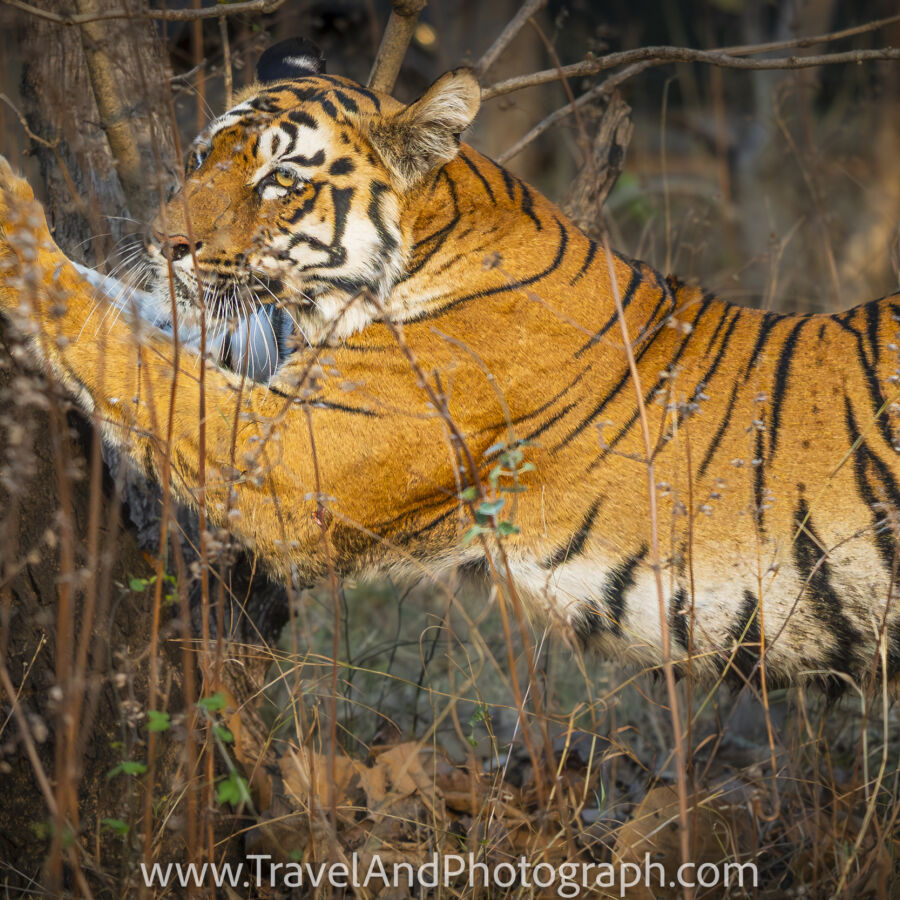
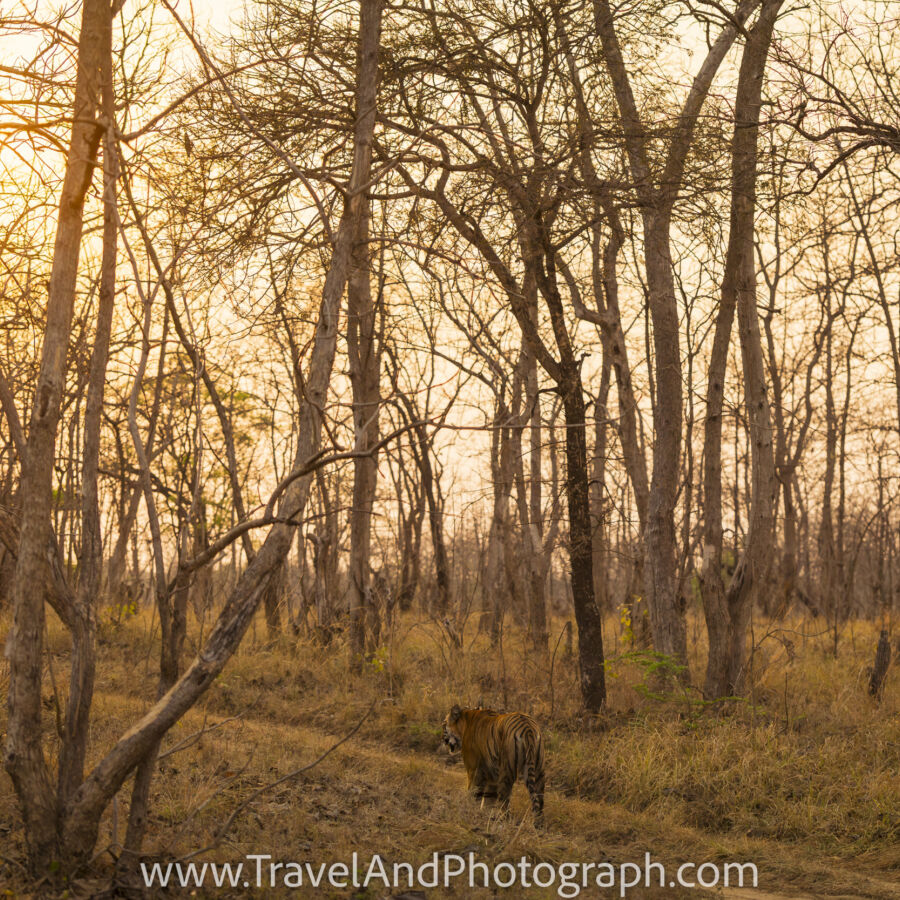
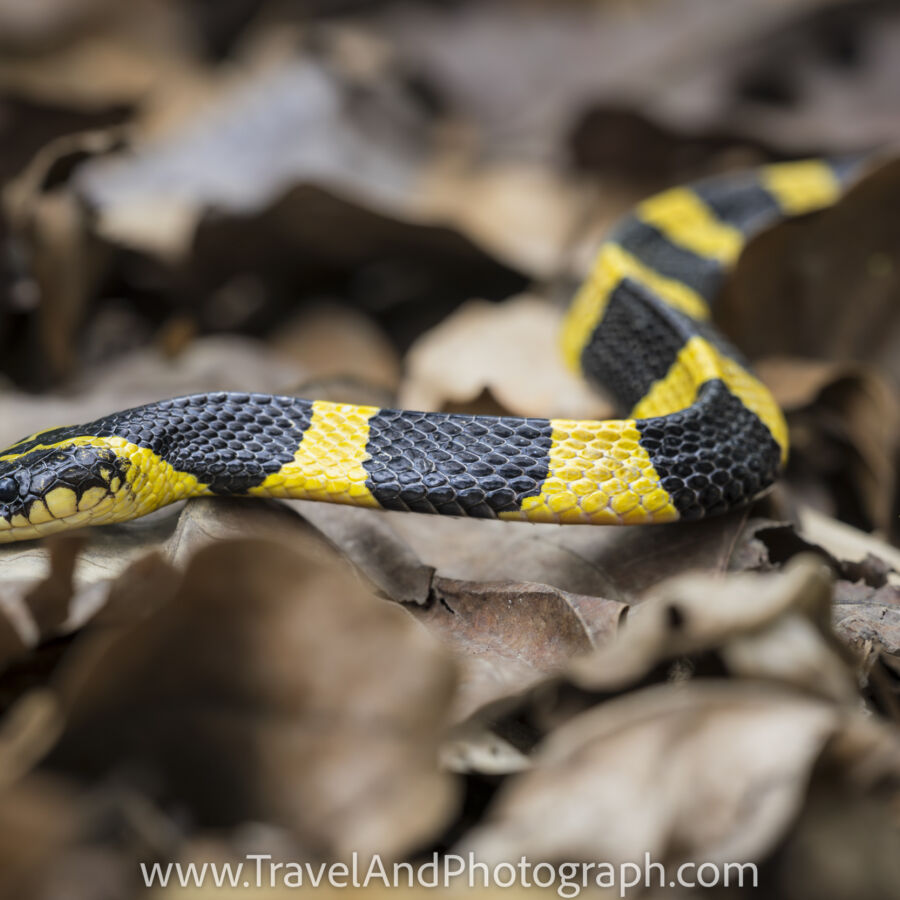
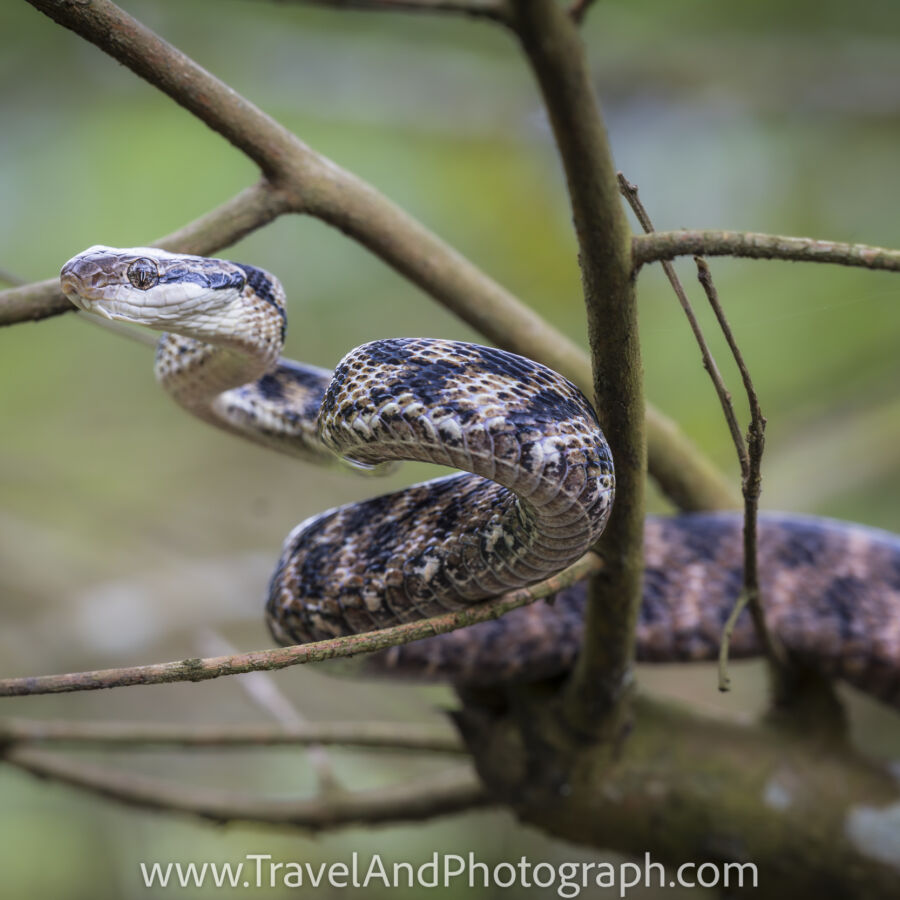
Canon RF 70-200 2.8 Z
Canon RF 70-200 2.8 Z + RF 1.4x
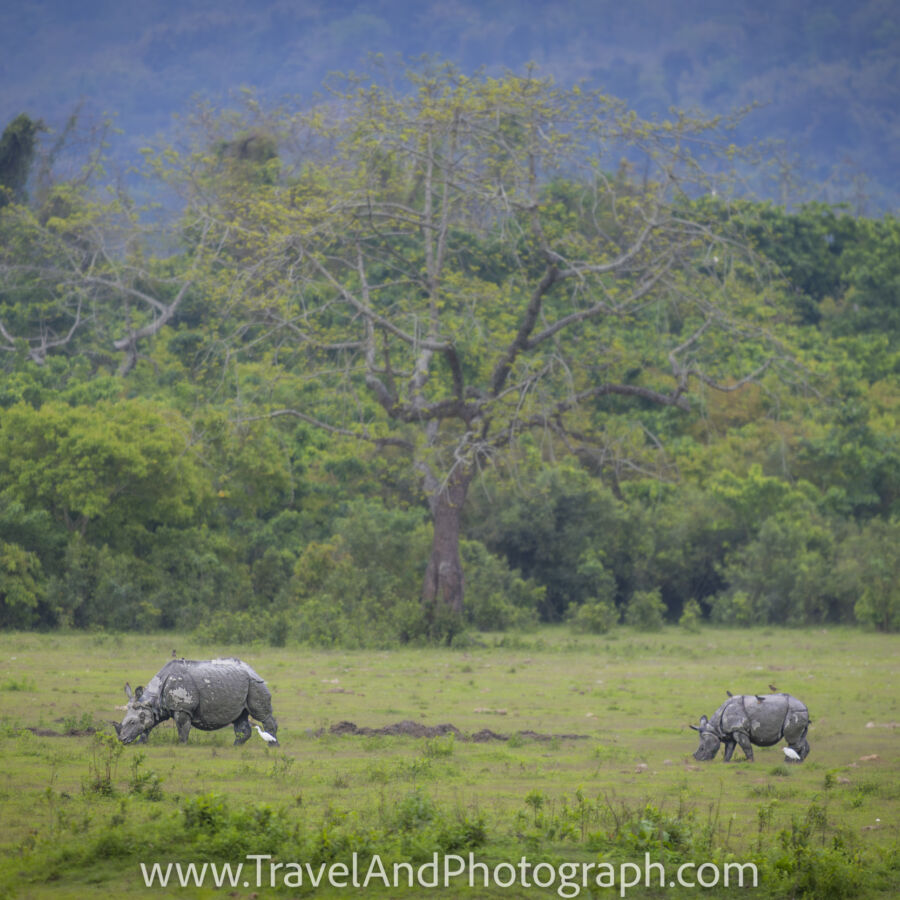
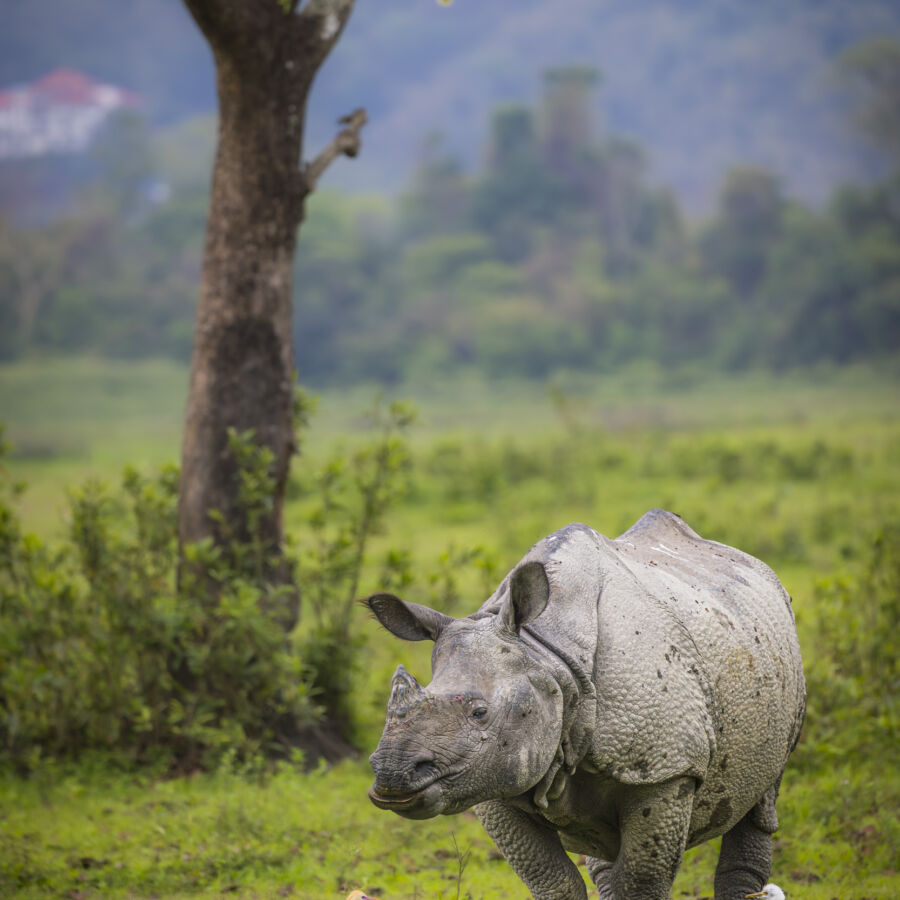
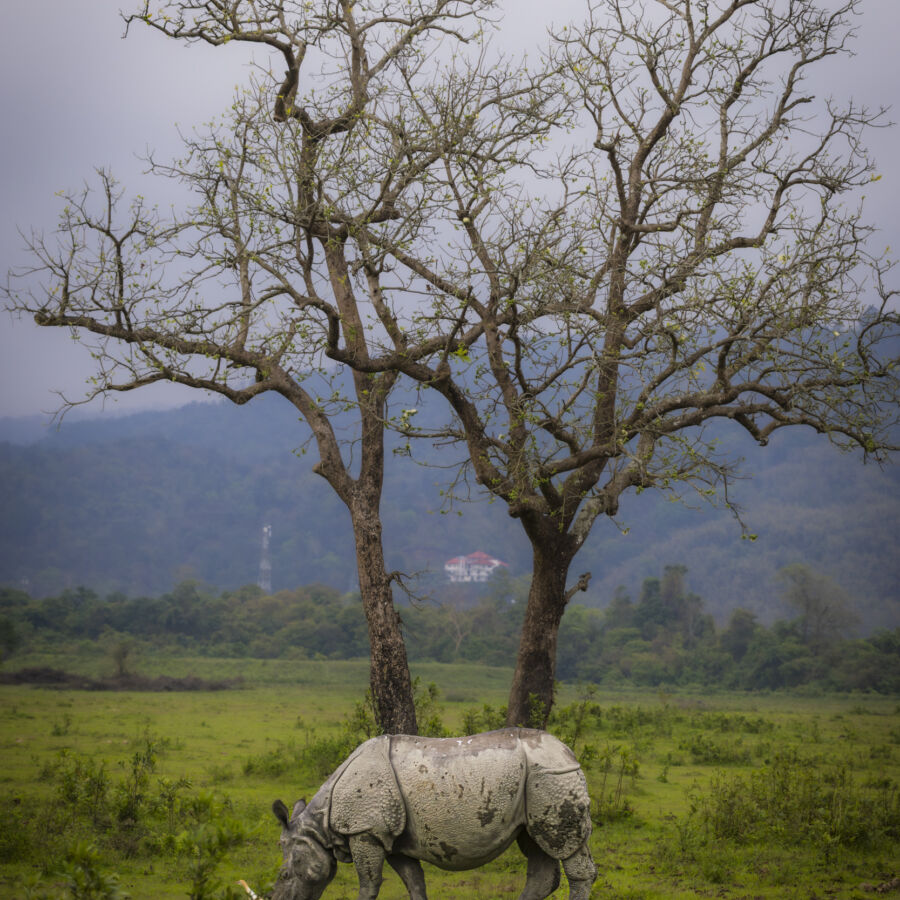
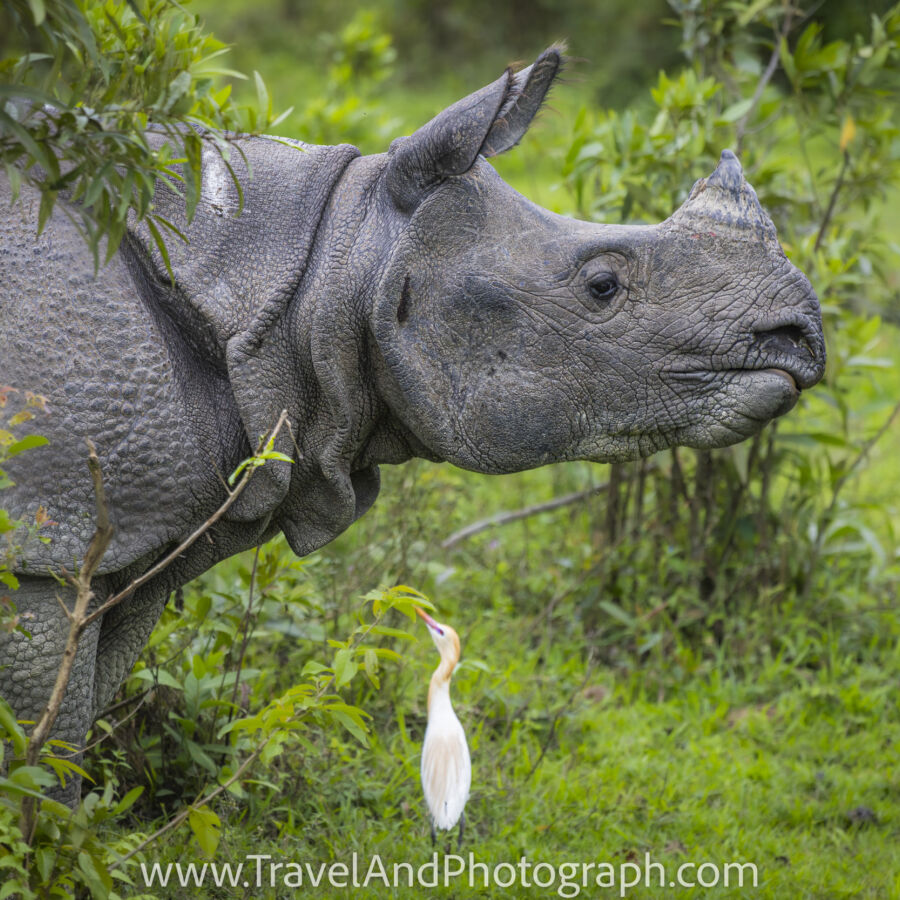
Wildlife Photos Taken with the Canon RF 70-200 2.8 Z + RF 1.4x
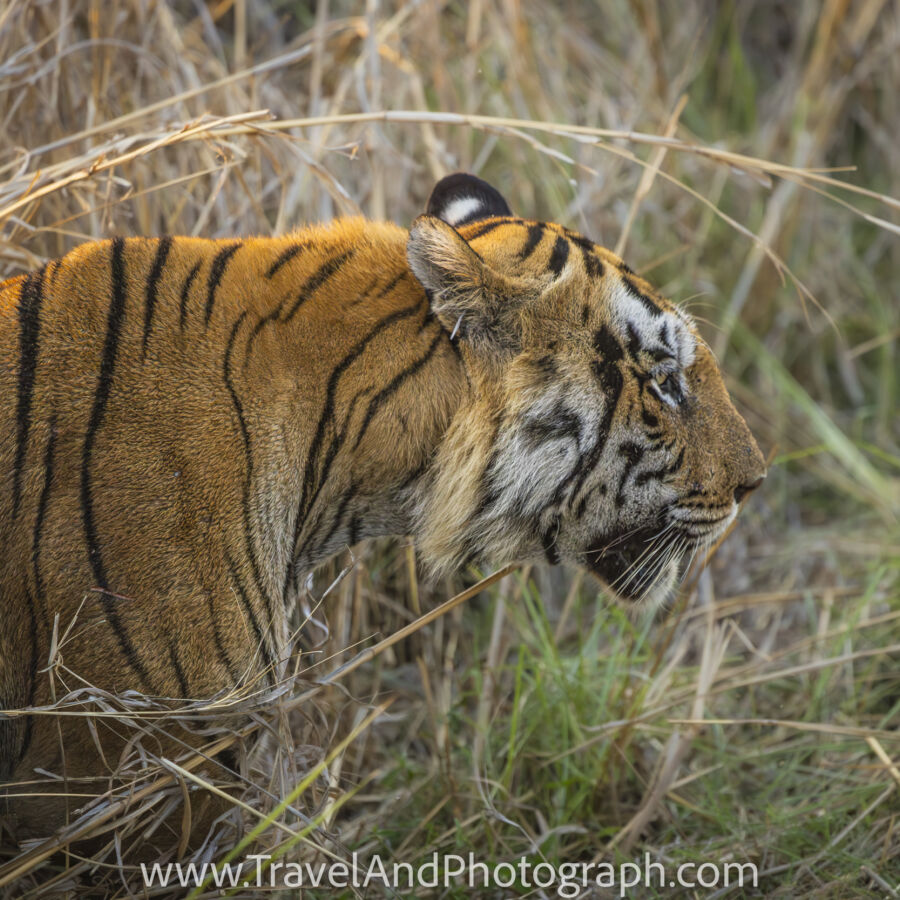
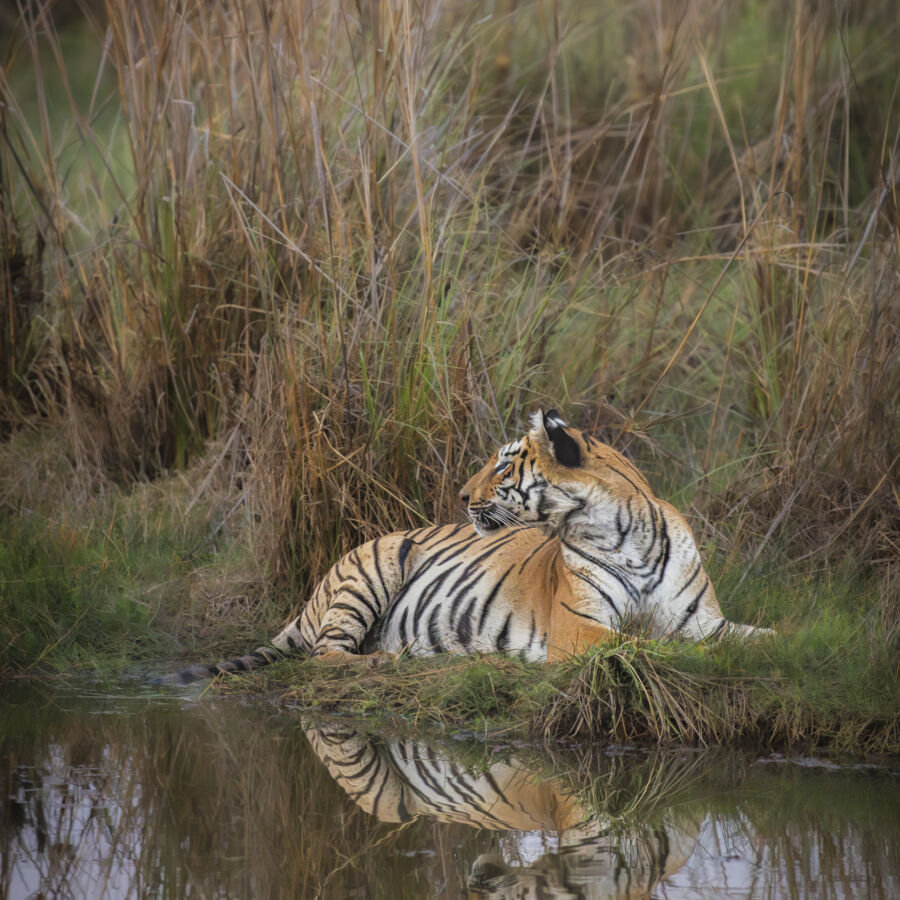
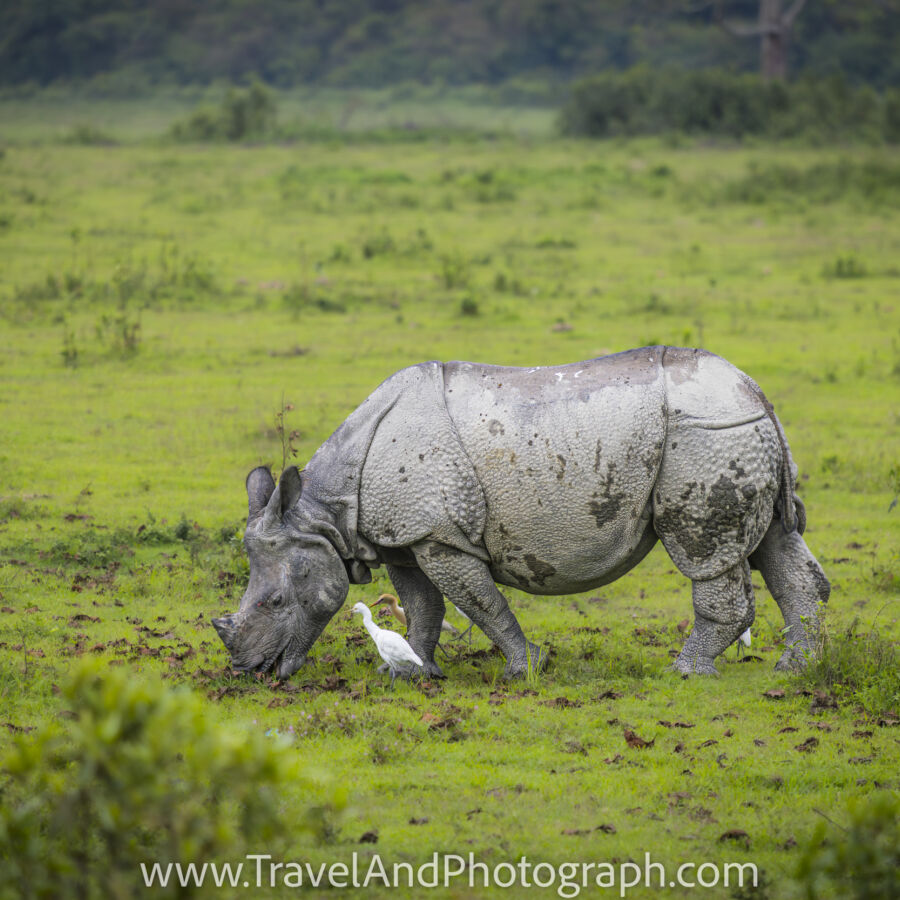
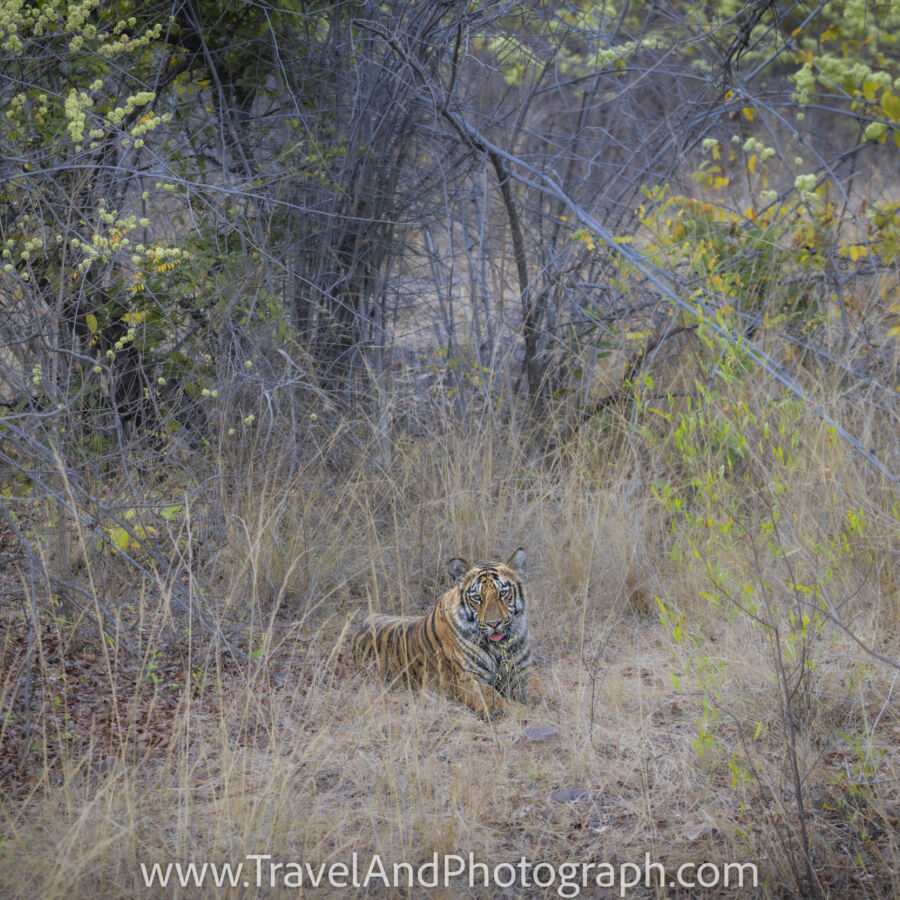
Canon RF 70-200 2.8 Z + RF 1.4x
Canon RF 70-200 2.8 Z + RF 2x
Wildlife Images with the Canon RF 70-200 2.8 Z + RF 2x